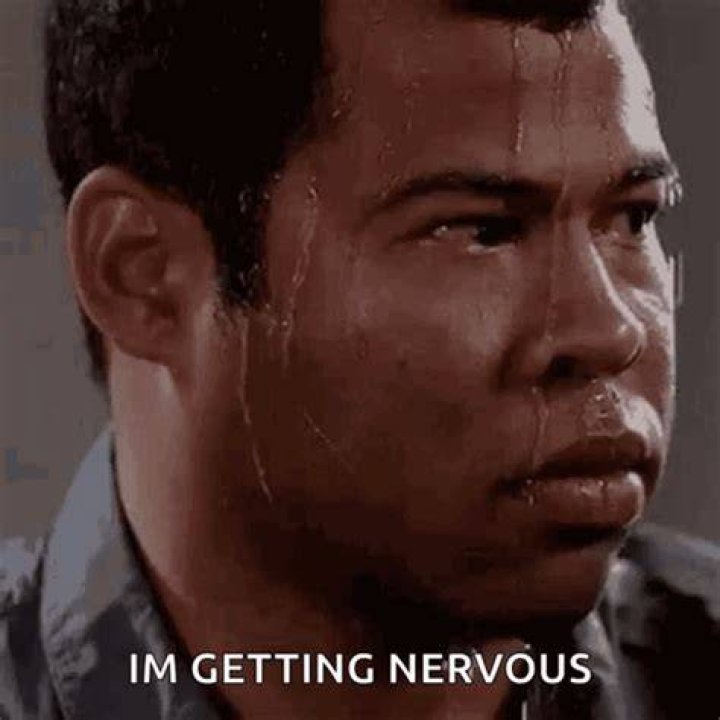
Boyfriend I'm Nervous Meme: Origins, Meaning and Why It Went Viral
 Rachel Acosta
Scrolling through social media, you've probably encountered the "boyfriend I'm nervous" meme at least once. This relatable format shows someone expressing anxiety about an upcoming situation, only to be met with a hilariously unhelpful or absurd response. The meme taps into universal feelings of nervousness while highlighting the sometimes comical disconnect in how people offer support.
What started as a simple conversational exchange has evolved into one of the internet's most versatile meme formats. People use it to joke about everything from job interviews and first dates to meeting parents or presenting in front of crowds. The format's strength lies in its flexibility and the instant recognition of that pre-event jitters feeling we've all experienced.
Where Did This Meme Come From?
The exact origins of the "boyfriend I'm nervous" meme are somewhat murky, as is often the case with viral internet content. The format appears to have emerged from screenshots of text conversations, though pinpointing the very first instance proves challenging. Unlike memes with clear timestamps from specific platforms, this one seems to have evolved organically across multiple social media sites simultaneously.
What we do know is that the meme gained significant traction on Twitter and Instagram around 2019-2020. Users began sharing variations where someone texts "I'm nervous" about various scenarios, and the boyfriend character responds in ways that range from genuinely sweet to completely absurd. The format caught fire because it allowed for endless creativity while maintaining a recognizable structure.
Reddit communities, particularly those focused on relationship humor and meme culture, helped spread the format further. Subreddits like r/memes and r/wholesomememes featured countless variations, each putting a unique spin on the original concept. TikTok creators then adopted the format, adding video elements that brought new dimensions to the joke.
Understanding the Meme Format
The basic structure is deceptively simple. Person A expresses nervousness about something. Person B, identified as the boyfriend (though the format works with any relationship dynamic), provides a response. That response is where the humor lives.
Sometimes the boyfriend offers genuinely supportive advice, creating a wholesome moment that resonates with people craving positive relationship content. Other times, the response is so off-base or ridiculous that it highlights the comedic gap between seeking comfort and receiving something entirely unexpected.
The meme works on multiple levels. It can be sweet, showing caring partners who know exactly what to say. It can be funny, featuring responses that completely miss the mark. It can even be self-deprecating, with the nervous person acknowledging their own anxiety in humorous ways. This versatility explains why the format refuses to die.
Why People Love This Meme
Anxiety is universal. Whether you're starting a new job, meeting someone important, or facing any number of life's challenges, that pit-in-your-stomach feeling connects all of us. The "boyfriend I'm nervous" meme validates those feelings while wrapping them in humor.
Social media thrives on relatability, and few things are more relatable than pre-event jitters. When someone shares a version of this meme, they're essentially saying "I feel this way too" to thousands or millions of others. That shared experience creates community and connection in an increasingly digital world.
The boyfriend element adds another layer. Relationships provide comfort and support, but they're also full of miscommunication and funny moments. This meme captures both aspects beautifully. Some versions show idealized support, giving people relationship goals. Others show hilariously bad advice, making people laugh at familiar dynamics.
Popular Variations You've Definitely Seen
The format has spawned countless variations, each reflecting different aspects of modern life and relationships.
- Job interview versions where the boyfriend suggests ridiculous power moves or completely inappropriate behavior
- Meeting the parents scenarios featuring terrible advice about first impressions
- Exam anxiety posts where the response ranges from genuine study tips to absurd suggestions
- First date versions capturing the awkwardness and excitement of new romance
- Medical appointment variations where nervous patients receive either comfort or comically unhelpful information
- Social gathering anxiety posts reflecting introverted experiences
- Performance anxiety versions for musicians, actors, and public speakers
Each variation maintains the core structure while adapting to specific situations. This adaptability keeps the meme fresh even as it spreads across different communities and demographics. A college student stressing about finals and a professional anxious about a presentation can both use the same basic format to express their feelings.
The Psychology Behind the Humor
Humor often serves as a coping mechanism for anxiety and stress. When we laugh about our nervousness, we gain some distance from it. The "boyfriend I'm nervous" meme provides a socially acceptable way to acknowledge vulnerability while maintaining a lighthearted tone.
Psychologists have long studied how humor helps people process difficult emotions. This meme format does exactly that. By framing anxiety through a comedic lens, people can share their struggles without feeling overly exposed or vulnerable. The boyfriend character provides a buffer, allowing the nervous person to express genuine concern while the response determines whether the moment becomes touching or humorous.
There's also something inherently funny about the gap between what we want to hear when nervous and what we actually receive. We seek reassurance, but sometimes we get confusion. We want specific advice, but sometimes we get platitudes. The meme exaggerates this disconnect, creating humor from a universally frustrating experience.
How Brands and Creators Use This Format
Marketers quickly recognized the meme's potential. Brands have adapted the format to promote everything from streaming services to food delivery apps. A nervous person might worry about choosing what to watch, with the boyfriend suggesting their company's platform as the obvious solution.
Content creators on platforms like TikTok and Instagram have built entire posts around the format. Some create video versions, acting out both roles with perfect comedic timing. Others add visual elements, incorporating images or graphics that enhance the joke. The format's flexibility makes it ideal for different content styles and creative approaches.
Music artists have even referenced the meme in lyrics and social media promotions. When a format becomes this embedded in internet culture, it transcends its original purpose and becomes a shared language that everyone understands.
The Wholesome Side of the Meme
Not every version goes for laughs. Many people use the format to showcase genuinely supportive relationships. These wholesome variations feature boyfriends (or partners of any kind) offering exactly the right words of encouragement. They remind anxious people to breathe, affirm their capabilities, or simply promise to be there.
These positive versions resonate deeply with audiences craving authentic relationship content. In a digital landscape often focused on drama and conflict, seeing healthy communication patterns feels refreshing. Young people especially appreciate seeing models of supportive partnerships that they can aspire to in their own lives.
The wholesome variations also serve an educational purpose. They demonstrate what good support actually looks like. Instead of dismissing concerns or offering empty platitudes, effective support acknowledges the feeling while providing genuine reassurance. Some relationship therapists have even used these memes as conversation starters about healthy communication patterns.
Frequently Asked Questions
Is the boyfriend I'm nervous meme based on a real conversation?
While some early versions may have originated from actual text exchanges, most examples you see now are created specifically as memes. The format has become so popular that people craft conversations following the established structure rather than sharing genuine exchanges. The meme represents a recognizable pattern of interaction that many people have experienced, even if specific versions are fictional.
Why is it always a boyfriend in the meme?
The original format featured a boyfriend, but the meme has evolved to include all types of relationships. You'll find versions with girlfriends, best friends, parents, siblings, and even pets responding to the nervous person. The boyfriend framing simply became the most recognizable version, similar to how certain meme formats maintain specific characters or roles even as the content varies widely.
Can this meme format be offensive?
Like any meme, it depends on execution. Most versions are harmless and relatable. However, some people have created versions that mock mental health issues, trivialize serious anxiety disorders, or rely on harmful stereotypes about relationships. The format itself is neutral, but creators should be mindful about punching up rather than down when crafting their versions. Humor about shared experiences works better than jokes that minimize genuine struggles.
Final Thoughts
The "boyfriend I'm nervous" meme endures because it speaks to something fundamental about human experience. We all get nervous. We all seek comfort. We all navigate the sometimes confusing world of relationships and support systems. This simple format captures those truths with humor and heart, creating a shared language that transcends individual circumstances.
What makes this meme special isn't just its humor or relatability. It's the way it connects people through shared vulnerability. When someone posts their version, they're inviting others into an authentic moment. The responses, whether ridiculous or supportive, create community around common experiences. That's the real magic of internet culture at its best—turning personal moments into collective experiences that remind us we're not alone in whatever makes us nervous.