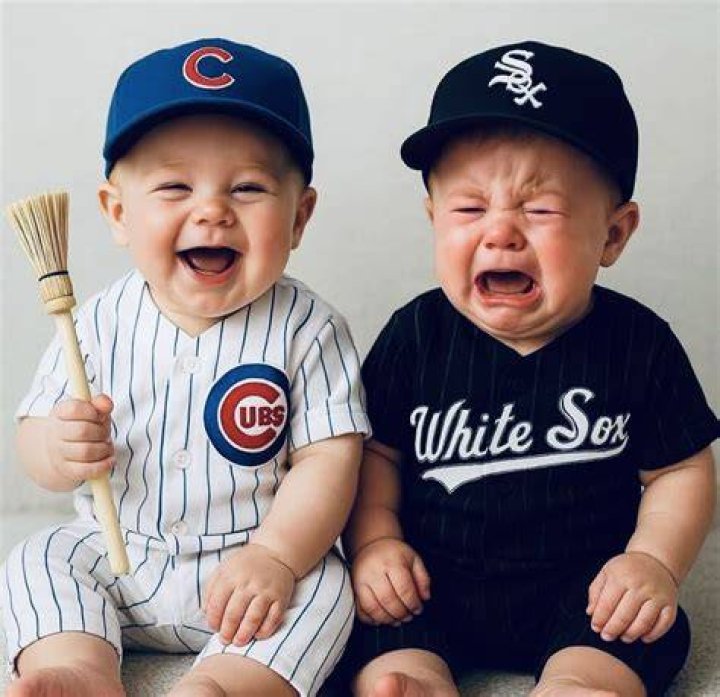
Cubs: Understanding Baby Bears and the Famous Chicago Baseball Team
 Matthew Shields
 The word "cubs" carries two distinct meanings that captivate millions worldwide. In nature, cubs represent the vulnerable yet fierce offspring of bears and other large mammals. In sports, the Chicago Cubs stand as one of baseball's most storied franchises. Both interpretations share common threads of growth, resilience, and enduring appeal that transcend generations.
Whether you're watching a mother bear protect her young in Yellowstone or cheering at Wrigley Field, cubs evoke powerful emotions. This guide explores both worlds, examining the biology of bear cubs and the cultural phenomenon of Chicago's beloved baseball team.
Bear Cubs in the Wild
Bear cubs enter the world in a remarkably vulnerable state. Most species give birth during winter hibernation, producing offspring that weigh barely one pound. These tiny creatures depend entirely on their mothers for survival during their first months.
The term "cub" applies to young bears across all eight species, from polar bears in the Arctic to sun bears in Southeast Asia. Despite their cuddly appearance, bear cubs possess instincts that prepare them for life as apex predators. They begin learning survival skills within weeks of leaving the den.
Development and Growth Patterns
Bear cubs grow at different rates depending on species and environment. Black bear cubs typically stay with their mothers for 17 months. Grizzly cubs remain under maternal care for two to three years. Polar bear cubs face the longest dependency period, sometimes staying with mothers for nearly 30 months.
During this time, cubs learn essential skills. They discover which foods provide nutrition, how to detect threats, and where to find shelter. Mother bears demonstrate fishing techniques, berry foraging, and territorial boundaries through patient repetition.
Weight gain happens rapidly once cubs begin eating solid food. A black bear cub might weigh just eight ounces at birth but reach 80 pounds by its first birthday. This dramatic growth requires enormous caloric intake, driving cubs to feed constantly throughout spring and summer.
Survival Challenges
Young bears face numerous threats. Adult male bears pose significant danger, sometimes killing cubs to bring females back into breeding condition. This infanticide drives protective mothers to extreme defensive behaviors that make encountering mother bears with cubs particularly dangerous for humans.
Food scarcity kills more cubs than predators. Years with poor berry crops or salmon runs result in higher cub mortality. Climate change now affects traditional food sources, forcing bear families to travel farther and take greater risks.
Human activity creates additional hazards. Vehicle collisions kill cubs that wander near roads. Habitat fragmentation separates families from traditional feeding grounds. Cubs that become habituated to human food sources rarely survive to adulthood, either dying in conflicts or requiring removal by wildlife officials.
The Chicago Cubs Baseball Legacy
Founded in 1876, the Chicago Cubs represent one of baseball's original franchises. The team adopted its current name in 1903, chosen for its brevity and appeal to newspaper headline writers. That simple four-letter word would become synonymous with both heartbreak and hope for generations of fans.
No sports franchise endured a championship drought quite like the Cubs. From 1908 to 2016, the team failed to win a World Series, creating a 108-year gap that spawned countless theories about curses and bad luck. The "Curse of the Billy Goat" became part of American folklore after tavern owner Billy Sianis allegedly cursed the team in 1945.
Wrigley Field: Baseball's Cathedral
The Cubs play at Wrigley Field, the second-oldest ballpark in Major League Baseball. Built in 1914, the stadium maintains characteristics that disappeared from modern venues decades ago. Hand-operated scoreboards, ivy-covered outfield walls, and rooftop seating across the street create an atmosphere frozen in baseball's golden age.
Wrigley Field sits in the Lakeview neighborhood, surrounded by residential buildings and local businesses. Day games remain common here because the park lacked lights until 1988. This scheduling quirk created a unique culture where fans could watch afternoon baseball before heading to work night shifts or enjoying evening activities.
The ballpark's intimate dimensions place fans close to the action. Foul balls regularly land in the stands or on Sheffield and Waveland Avenues, where collectors compete to catch home run balls. These proximity creates connections between players and fans that vanished from most modern stadiums.
The 2016 Championship Season
Everything changed on November 2, 2016. The Cubs defeated the Cleveland Indians in Game 7 of the World Series, ending the longest championship drought in professional sports. The victory came after the team fell behind 3-1 in the series, requiring three consecutive wins to claim the title.
Game 7 itself became instant legend. The Cubs led 6-3 entering the eighth inning before Cleveland tied the score. A rain delay paused the game before the tenth inning, allowing Cubs players to regroup. Ben Zobrist's double in the tenth inning drove in the go-ahead run, and the Cubs held on for an 8-7 victory.
An estimated five million people attended the victory parade through Chicago, making it one of the largest public gatherings in American history. Fans who had waited decades to see a championship finally experienced vindication. The win erased the curse narratives and transformed the franchise's identity from lovable losers to legitimate champions.
Cubs in Popular Culture
Both meanings of "cubs" permeate popular culture in distinct ways. Wildlife documentaries featuring bear cubs draw massive audiences, with series like "Planet Earth" and "Our Planet" showcasing intimate footage of cubs learning survival skills. These programs reveal behaviors previously unknown to science, building public support for conservation efforts.
The Chicago Cubs inspired countless movies, books, and songs. The team appeared in films ranging from "Ferris Bueller's Day Off" to "Rookie of the Year." The franchise's long-suffering fan base became shorthand for loyalty in the face of repeated disappointment, a narrative that resonated far beyond baseball.
Pearl Jam frontman Eddie Vedder wrote multiple songs about the Cubs, including "All the Way," which became an unofficial anthem during the 2016 championship run. The band's connection to the team reflected how deeply the Cubs embedded themselves in Chicago's cultural identity.
Conservation Status of Bear Cubs
Bear populations face varying levels of threat worldwide. Giant panda cubs once teetered on the brink of extinction, though conservation efforts upgraded their status to "vulnerable" in 2016. Success stories like this demonstrate how dedicated protection can reverse population declines.
Polar bear cubs confront existential threats from climate change. Melting sea ice reduces hunting opportunities, forcing mothers to fast longer and produce smaller cubs with lower survival rates. Scientists project that polar bear populations could decline by 30% by 2050 if current trends continue.
Black bears and grizzly bears show more stable populations in North America, though both species disappeared from large portions of their historic ranges. Reintroduction programs brought grizzlies back to parts of Montana and Wyoming, while black bears recolonized areas across the eastern United States.
Human-Bear Conflict Management
As human development expands into bear habitat, conflicts increase. Cubs learn behaviors from their mothers, meaning that bears habituated to human food sources teach these dangerous patterns to offspring. Wildlife managers work to prevent habituation through education, bear-proof containers, and aversive conditioning.
Orphaned cubs present unique challenges. Rehabilitation centers attempt to raise cubs without human contact, teaching them to fear people while developing hunting skills. Success rates vary, but some programs return 70-80% of cubs to the wild. These efforts require significant resources but prevent unnecessary deaths of cubs whose mothers died in accidents or conflicts.
The Business of the Cubs
The Ricketts family purchased the Chicago Cubs for $845 million in 2009, one of baseball's largest franchise sales at the time. The new ownership invested heavily in both the team and Wrigley Field, spending over $1 billion on renovations and player development.
These investments paid dividends beyond the 2016 championship. The Cubs generated an estimated $479 million in revenue during the 2019 season, ranking among baseball's most valuable franchises. The team's valuation exceeded $3.8 billion by 2023, reflecting the franchise's strong brand and loyal fan base.
Merchandise sales exploded after the championship. Cubs gear ranked among baseball's top sellers for several consecutive years. The iconic "C" logo appeared on hats, jerseys, and novelty items worldwide, expanding the franchise's reach beyond traditional baseball markets.
Bear Cub Behavior and Social Structure
Cubs exhibit playful behavior that serves important developmental functions. Wrestling matches between siblings build strength and teach fighting techniques needed for survival. Play also establishes dominance hierarchies when multiple cubs share a mother.
Mother bears demonstrate remarkable teaching ability. Research shows bears actively instruct cubs rather than simply allowing them to observe and imitate. A mother might catch a fish and release it multiple times, letting cubs practice catching techniques in controlled circumstances.
Sibling relationships among cubs vary by species. Some bears produce single cubs, while others regularly birth twins or triplets. Litter size affects survival rates, as mothers with multiple cubs must divide resources and attention. However, cubs from larger litters may benefit from social learning opportunities unavailable to single cubs.
Future Outlook
Wildlife biologists predict that climate change will reshape bear populations significantly over coming decades. Species adapted to cold climates face the greatest challenges, while those in temperate zones might expand their ranges. Conservation strategies must adapt to these shifting realities, protecting corridors that allow bears to move as habitats change.
The Chicago Cubs face different pressures. Baseball confronts declining youth participation and competition from other entertainment options. The franchise invests in community programs and youth baseball initiatives, attempting to build the next generation of fans. Success requires balancing tradition with innovation, maintaining Wrigley Field's historic character while meeting modern expectations.
Both bear cubs and the Chicago Cubs remind us that resilience matters more than immediate success. Young bears endure harsh conditions and long odds to reach maturity. Cubs fans waited 108 years for a championship but never abandoned their team. These parallel stories of perseverance resonate because they reflect universal human experiences of hope, struggle, and eventual triumph.
Frequently Asked Questions
How long do bear cubs stay with their mothers?
The duration varies by species. Black bear cubs typically remain with mothers for 17 months, while grizzly cubs stay 2-3 years. Polar bear cubs may stay with mothers for up to 30 months due to the harsh Arctic environment and specialized hunting skills required.
When did the Chicago Cubs last win the World Series?
The Cubs won the World Series in 2016, defeating the Cleveland Indians in seven games. This victory ended a 108-year championship drought dating back to 1908.
What do bear cubs eat?
Bear cubs initially survive on mother's milk, which is extremely rich in fat and protein. They begin eating solid foods around 5-6 months old, including berries, grasses, insects, and fish depending on species. Cubs learn which foods are nutritious by watching their mothers.
Why are the Chicago Cubs called the Cubs?
The team adopted the Cubs name in 1903. Newspapers preferred it because the short word fit easily into headlines. The name also reflected the team's youth movement at the time, as management brought in younger players.
Are bear cubs dangerous?
While cubs themselves pose little direct threat, mother bears protecting cubs are extremely dangerous. Female bears exhibit intense defensive aggression when they perceive threats to their offspring. Hikers should make noise to avoid surprising bear families and carry bear spray in bear country.
