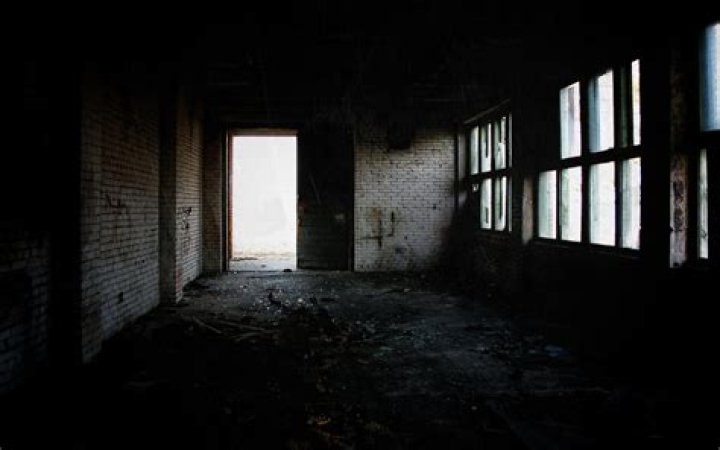
The Dark Secret of the Abandoned Building: What Lies Within
 Mia Ramsey
Abandoned buildings dot landscapes across the world, their empty windows staring like hollow eyes at passersby. Most hold nothing more sinister than dust and decay. But some structures carry secrets that refuse to stay buried, whispers of events that transformed them from functional spaces into forbidden territories that locals avoid after dark.
The dark secret of the abandoned building isn't always what sensational headlines promise. Sometimes it's a tragedy that unfolded within crumbling walls. Other times, it's illegal activity that turned a forgotten space into a criminal haven. Occasionally, it's nothing more than urban legend amplified by imagination and time. What draws people to these forsaken places is the human need to understand what happened, to piece together stories from fragments left behind.
Why Abandoned Buildings Attract Dark Histories
Empty structures become magnets for mystery. Once people leave and maintenance stops, nature and human activity alike take over in unpredictable ways. Urban explorers document these spaces, finding remnants of past lives: family photos scattered across rotting floorboards, medical equipment left rusting in former hospitals, personal belongings that suggest sudden departures.
The absence of oversight creates opportunities for illicit activities. Squatters establish temporary homes. Drug dealers use remote locations for transactions. In extreme cases, these buildings witness violence that goes unreported for years. Their isolation provides cover, their abandonment signals that nobody's watching.
Former industrial sites carry environmental hazards. Asbestos insulation crumbles into breathable fibers. Lead paint peels from walls. Chemical residues from manufacturing processes seep into groundwater. The secret isn't always human action—sometimes it's toxic legacy that makes a building dangerous long after operations ceased.
Common Secrets Found in Abandoned Structures
Investigators and urban explorers have documented patterns in what they discover. These findings reveal the darker side of abandonment and why certain buildings earn notorious reputations.
- Evidence of criminal activity including drug manufacturing labs, stolen goods storage, and illegal gambling operations that operated undetected for months or years
- Signs of human trafficking or forced labor, particularly in abandoned warehouses and industrial complexes near transportation routes
- Concealed bodies or remains, sometimes discovered decades after disappearances occurred, hidden in walls, basements, or buried on property grounds
- Historical injustices such as unmarked burial grounds, sites of unethical medical experiments, or locations where institutional abuse occurred
- Environmental contamination from improper waste disposal, including hazardous materials that pose ongoing health risks to surrounding communities
- Illegal demolition waste and construction debris dumped to avoid proper disposal costs
- Animal hoarding situations or illegal breeding operations that left structures biologically hazardous
The Psychology Behind Forbidden Spaces
Human curiosity intensifies around the forbidden. When buildings get boarded up with "No Trespassing" signs, they signal hidden information. Our brains interpret barriers as protecting something worth protecting, even when the reality is simple liability prevention.
Stories amplify in the absence of facts. A building abandoned after a business failure becomes, through neighborhood gossip, the site of a murder-suicide. An old hospital shuttered for budgetary reasons transforms in local lore into a place where experimental procedures went catastrophically wrong. Each retelling adds embellishment until separating truth from fiction becomes impossible.
This phenomenon serves social functions. Communities process trauma through storytelling. Explaining why a place feels wrong helps people maintain psychological distance from genuine threats while acknowledging that something significant happened there. The "dark secret" becomes shorthand for collective unease about abandonment, decay, and the failure of institutions that once defined a neighborhood's character.
Real Cases That Fueled the Mythology
Certain abandoned buildings earned their sinister reputations through documented incidents rather than speculation. These cases demonstrate that sometimes the truth exceeds urban legend.
The Hart Island potter's field in New York City, though not technically abandoned, represents a building complex with dark secrets finally coming to light. For over a century, the island served as a mass burial site where more than one million bodies were interred, often without proper documentation. Families searching for missing relatives discovered their loved ones had been buried there without notification, the records incomplete or destroyed.
Willowbrook State School in Staten Island operated until 1987 as an institution for children with intellectual disabilities. After closure, the massive complex sat abandoned while revelations emerged about conditions that amounted to abuse and neglect. The buildings held physical evidence of overcrowding and inadequate care that had affected thousands of vulnerable residents.
Former asylums across Europe and North America reveal through their abandonment what institutional psychiatry once meant. Restraint equipment, isolation cells, and treatment records left behind document practices now recognized as inhumane. These structures don't just hold secrets—they serve as physical evidence of medical ethics failures.
The Legal and Ethical Dimensions
Property abandonment creates legal gray zones. Owners may retain rights while neglecting responsibilities. Buildings deteriorate into public hazards, but remediation costs exceed property values. Municipalities lack resources for demolition or securing every abandoned site within their boundaries.
This creates an ethical question: who's responsible when abandoned buildings harm people? Children injured playing in unstable structures, first responders exposed to hazardous materials during emergency calls, neighbors whose property values plummet due to blight. The dark secret sometimes isn't what happened in the building but the systemic failure that allows dangerous structures to persist.
Urban exploration raises its own ethical considerations. Trespassers risk injury and face prosecution, but they also document history that would otherwise vanish. Their photographs and videos preserve architectural details, reveal environmental hazards, and occasionally uncover evidence of recent criminal activity that prompts official investigation.
Environmental and Health Hazards
The darkest secrets of abandoned buildings are often invisible. Mold colonies spread through water damage, producing mycotoxins that cause respiratory illness. Rodent infestations carry diseases. Structural instability means floors collapse without warning, sending explorers plummeting into basements or sub-levels.
Chemical hazards persist in former industrial sites. Abandoned factories may contain tanks of undocumented substances. Laboratories leave behind reagents that become more dangerous as they age. Refrigeration units in closed hospitals and morgues fail, creating biohazards from decomposing biological samples.
These physical dangers make abandoned buildings legitimately threatening even without human malice. The "secret" is that property owners and authorities often know about hazards but lack resources or willingness to address them properly. Communities living near these sites face health risks that receive minimal attention until someone gets seriously hurt.
How Abandoned Buildings Get Reclaimed
Not all stories end with demolition. Adaptive reuse projects transform abandoned structures into apartments, galleries, community centers, or mixed-use developments. Successful renovations require confronting whatever history the building carries, acknowledging past uses while creating new purposes.
Some conversions incorporate historical acknowledgment. Former prisons become museums that educate about incarceration history. Old hospitals transform into housing while preserving architectural elements and creating memorial spaces for patients who suffered or died there. This approach treats the building's past as part of its identity rather than something to hide.
Other projects strip structures to their shells, removing all traces of previous function. This approach prioritizes moving forward but can feel like erasure to people whose lives connected to the building's history. The balance between preservation and renewal remains contentious, particularly when the past involves trauma or injustice.
Frequently Asked Questions
Why do abandoned buildings often have dark reputations?
Abandoned structures become associated with negative events because they lack oversight and often witness criminal activity after closure. Their isolation and deteriorating conditions attract illegal uses while their emptiness triggers psychological unease that humans interpret through storytelling. Sometimes the reputation stems from actual documented incidents; other times, urban legends fill information voids with speculation that grows more dramatic with each retelling.
Is it illegal to explore abandoned buildings?
Entering abandoned buildings without permission constitutes trespassing in most jurisdictions, regardless of whether the property appears occupied. Even if structures seem completely forgotten, legal ownership continues until formal abandonment processes complete through courts. Penalties vary from warnings to criminal charges depending on local laws, property damage, and whether the explorer's intent seems innocent or malicious. Some property owners tolerate exploration while others prosecute aggressively.
What should you do if you discover something disturbing in an abandoned building?
Contact local authorities immediately if you encounter evidence of recent criminal activity, human remains, environmental hazards, or anything suggesting people may be in danger. Document what you found through photographs if safe to do so, but don't disturb the scene or remove items. Your discovery could be crucial evidence in missing persons cases or criminal investigations. Be prepared to explain your presence on the property, as reporting what you found doesn't necessarily excuse trespassing.
Final Thoughts
The dark secret of the abandoned building isn't usually a single shocking revelation. It's the accumulation of neglect, the traces of lives interrupted, the physical evidence of institutional failures, or the environmental consequences of improper closure. These structures hold mirrors to societal problems we'd prefer to ignore: how we treat vulnerable populations, what happens when economic systems shift, and who bears responsibility when ownership becomes inconvenient.
Every boarded window and chained door tells a story. Some narratives involve genuine tragedy or criminality that deserves investigation and acknowledgment. Others reflect nothing more sinister than economic change and the inevitable decay that follows when buildings outlive their usefulness. The human impulse to seek darkness in empty spaces reveals more about our psychological needs than about the structures themselves.
What matters is distinguishing between legitimate concerns about public safety, environmental hazards, and unsolved crimes versus sensationalized urban legends that serve entertainment rather than truth. Abandoned buildings deserve attention not because they're inherently sinister, but because they represent unfinished business—stories incomplete, responsibilities unmet, and communities still processing what happened when the doors closed for the last time.
