Does Viso FBT Work for Blade and Sorcery? Complete Guide
 Ava Mcdaniel
Virtual reality has transformed how we experience gaming, and full body tracking takes immersion to another level. Blade and Sorcery players constantly search for ways to enhance their gameplay experience, which raises an important question about Viso FBT compatibility. The fantasy combat simulator has become one of VR's most popular titles, but getting additional tracking devices to work properly isn't always straightforward.
Full body tracking systems promise to translate your real-world movements into the virtual space with remarkable accuracy. Viso FBT represents one approach to achieving this goal, though its compatibility with specific games varies considerably. Understanding whether this technology works with Blade and Sorcery requires examining both the technical requirements and practical limitations players face when attempting integration.
Understanding Viso FBT Technology
Viso FBT aims to provide full body tracking without the expensive hardware typically required for complete motion capture. Unlike traditional systems that rely on external base stations or multiple cameras, Viso attempts to achieve tracking through different methodologies. The system focuses on capturing lower body movements, which can theoretically enhance games where leg positioning matters.
The technology works by processing input data to estimate body positions beyond what standard VR headsets and controllers track. Most VR setups only track your head and hands, leaving your torso and legs as estimated positions. Viso FBT tries to fill this gap, though the accuracy and reliability depend heavily on implementation.
Several factors determine whether any tracking system integrates successfully with a specific game. The game must support the tracking protocol, the hardware needs proper calibration, and the software must communicate effectively with the game engine. Blade and Sorcery uses specific input systems that may or may not recognize third-party tracking solutions.
Blade and Sorcery's Tracking Requirements
Blade and Sorcery was designed primarily for standard VR headset tracking with hand controllers. The game excels at translating head and hand movements into sword swings, magic casting, and close-quarters combat. Your physical movements drive the combat system, making precision tracking essential for satisfying gameplay.
The game does support additional tracking points when proper hardware is detected. SteamVR tracking protocols allow games to recognize Vive Trackers and compatible devices, which can add hip and foot tracking to your VR experience. This support exists within the game's framework, but compatibility isn't universal across all tracking solutions.
Native support makes a substantial difference in functionality. When a game directly supports tracking hardware through established protocols, integration tends to work smoothly. Third-party solutions that attempt to emulate standard tracking devices may encounter compatibility issues, latency problems, or calibration difficulties that impact gameplay quality.
Current Compatibility Status
The straightforward answer is that Viso FBT faces significant challenges working with Blade and Sorcery in its current state. The game recognizes standard SteamVR tracking devices without issues, but alternative tracking methods often struggle with proper implementation. Players attempting to use Viso FBT have reported mixed results, with most experiencing connection problems or tracking failures.
Technical limitations create barriers between Viso's approach and what Blade and Sorcery expects from tracking hardware. The game communicates with tracking devices through established channels that Viso may not fully replicate. Even when connections establish, tracking quality might not meet the precision standards needed for responsive combat gameplay.
Community reports indicate that workarounds exist but require substantial technical knowledge. Some players have achieved partial functionality through third-party software bridges, though these solutions introduce additional complexity and potential stability issues. The effort required often outweighs the benefits, particularly when more established tracking options exist.
Why Tracking Compatibility Matters
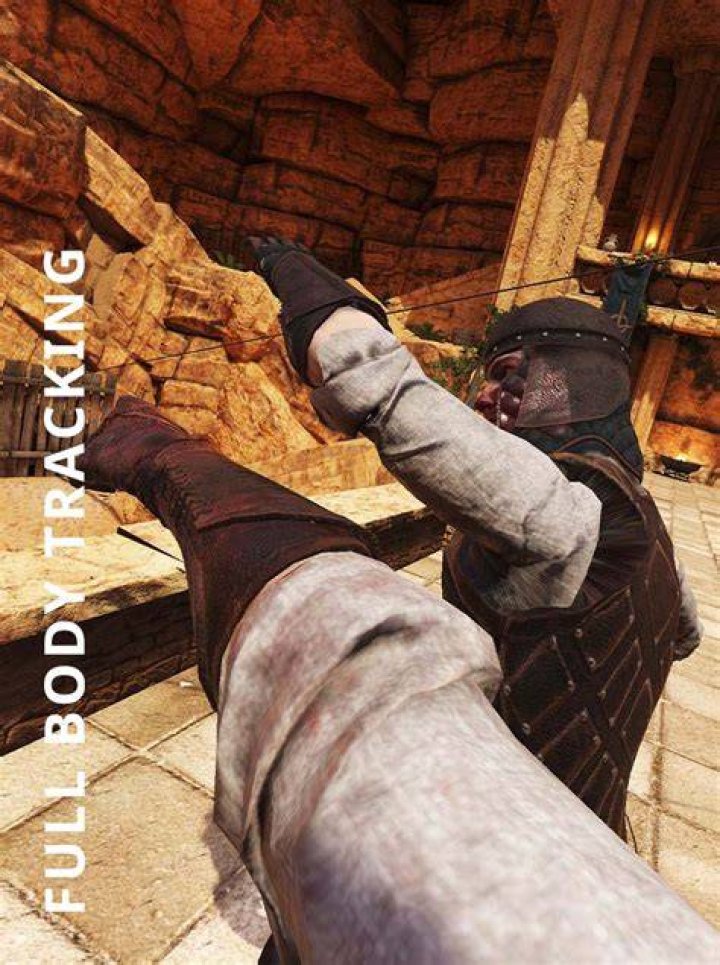
Full body tracking changes how you interact with VR environments fundamentally. In Blade and Sorcery, adding leg and hip tracking enables more realistic movement representation. You can see your body positioned naturally, crouch behind cover, or kick opponents when the situation demands it.
Combat becomes more intuitive when your virtual body matches your physical positioning. Standard VR setups estimate lower body positions based on head and hand locations, which works adequately but lacks precision. True tracking eliminates guesswork, ensuring your stance, balance, and movements translate accurately into the game world.
The immersion factor shouldn't be underestimated either. Looking down and seeing your legs positioned exactly where you expect them creates a stronger sense of presence. This heightened immersion makes victories feel more earned and defeats more impactful, deepening your emotional connection to gameplay moments.
Alternative Full Body Tracking Solutions
Several established options work reliably with Blade and Sorcery for players seeking full body tracking. Vive Trackers remain the gold standard, offering precise tracking through SteamVR's native support. These devices integrate seamlessly with the game, requiring only basic setup and calibration to function properly.
SlimeVR presents a more affordable alternative that has gained traction in the VR community. The system uses IMU sensors to track body positioning and has demonstrated solid compatibility with Blade and Sorcery. Setup involves more configuration than Vive Trackers, but the reduced cost makes it attractive for budget-conscious players.
Kinect-based solutions offer another approach, repurposing Microsoft's discontinued camera technology for VR tracking. Software like Driver4VR bridges the gap between Kinect hardware and SteamVR, though tracking quality depends heavily on room setup and lighting conditions. Results vary, but some players achieve satisfactory performance for casual play.
Setup Challenges and Technical Hurdles
Getting any non-standard tracking solution working requires patience and technical troubleshooting. Software conflicts arise frequently, particularly when multiple tracking systems attempt to communicate simultaneously. Driver issues compound these problems, as outdated or incompatible software versions prevent proper device recognition.
Calibration presents its own set of difficulties. Proper alignment between your physical body and virtual representation demands precise configuration. Small calibration errors create jarring disconnects where your virtual body moves incorrectly relative to your actual position, breaking immersion and potentially causing motion sickness.
Performance impact deserves consideration as well. Additional tracking processes consume system resources that could otherwise enhance game performance. Players with mid-range hardware might experience frame rate drops or increased latency when running tracking software alongside demanding VR games like Blade and Sorcery.
What Players Actually Experience
Real-world testing reveals that Viso FBT struggles to deliver consistent results with Blade and Sorcery. Connection drops occur regularly, forcing players to restart both the tracking software and the game. When tracking does work, accuracy issues often manifest as jittery movements or delayed responses that disrupt combat flow.
The few players who achieved partial functionality report that the experience doesn't justify the effort required. Combat in Blade and Sorcery demands responsive, accurate tracking to feel satisfying. Compromised tracking quality transforms sword fights into frustrating exercises where your movements don't register as intended.
Latency becomes particularly noticeable during fast-paced encounters. The split-second delays between physical movement and virtual representation throw off your timing, making complex combat maneuvers difficult to execute. This lag proves especially problematic when dodging attacks or attempting precise strikes against multiple opponents.
The Future of VR Tracking Integration
VR tracking technology continues evolving rapidly, with new solutions emerging regularly. Software improvements may eventually enable better compatibility between systems like Viso FBT and games like Blade and Sorcery. Developers on both sides work to expand support and improve interoperability across platforms.
Standardization efforts within the VR industry could simplify tracking integration significantly. If manufacturers adopt common protocols and communication standards, players would face fewer compatibility headaches when adding new hardware to their setups. This standardization remains aspirational, but progress occurs incrementally.
Game developers increasingly recognize the value of full body tracking support. As the technology becomes more accessible, more titles will likely implement native support for various tracking solutions. Blade and Sorcery receives regular updates, and future versions might expand compatibility beyond current limitations.
Frequently Asked Questions
Can I use any full body tracking system with Blade and Sorcery?
Blade and Sorcery officially supports tracking hardware that works through SteamVR, primarily Vive Trackers. Other systems may work with varying degrees of success, but compatibility isn't guaranteed. Players have the best results with hardware that SteamVR recognizes natively, while third-party solutions often require workarounds that may not function reliably.
Is full body tracking necessary to enjoy Blade and Sorcery?
Not at all. The game was designed for standard VR controllers and works excellently without additional tracking. Full body tracking enhances immersion and adds gameplay possibilities, but the core combat experience remains thoroughly enjoyable with just headset and hand tracking. Many players never add body tracking and still consider it one of their favorite VR experiences.
What's the most affordable way to add full body tracking?
SlimeVR currently offers the most budget-friendly entry point for full body tracking that works reliably with most VR games. The DIY nature keeps costs down, though assembly and setup require more effort than plug-and-play solutions. Kinect-based tracking costs even less if you already own the hardware, but compatibility and tracking quality vary significantly depending on your specific setup.
Making the Right Choice for Your Setup
Deciding whether to pursue full body tracking depends on your priorities, budget, and technical comfort level. Viso FBT specifically faces significant compatibility challenges with Blade and Sorcery that make it difficult to recommend for this particular game. Players seeking full body tracking should investigate proven solutions with established support.
Your existing hardware influences which options make sense. Players already invested in the Vive ecosystem might find adding Vive Trackers straightforward and worthwhile. Those starting from scratch might prefer SlimeVR's lower entry cost, accepting the additional setup complexity as a reasonable trade-off.
Consider your expectations carefully before investing in tracking hardware. Full body tracking enhances immersion but won't fundamentally transform mediocre games into great ones. Blade and Sorcery already delivers exceptional VR combat without body tracking, so additional hardware serves as an enhancement rather than a necessity for enjoyment.
