DoorDash: How the Food Delivery Giant Changed the Way We Eat
 Natalie Ross
 DoorDash has become a household name in the food delivery industry, transforming how millions of people order meals. Founded in 2013, this San Francisco-based company now dominates the market, controlling nearly 60% of U.S. food delivery orders. What started as a simple solution for restaurants without delivery staff has evolved into a massive logistics network that delivers everything from burgers to groceries.
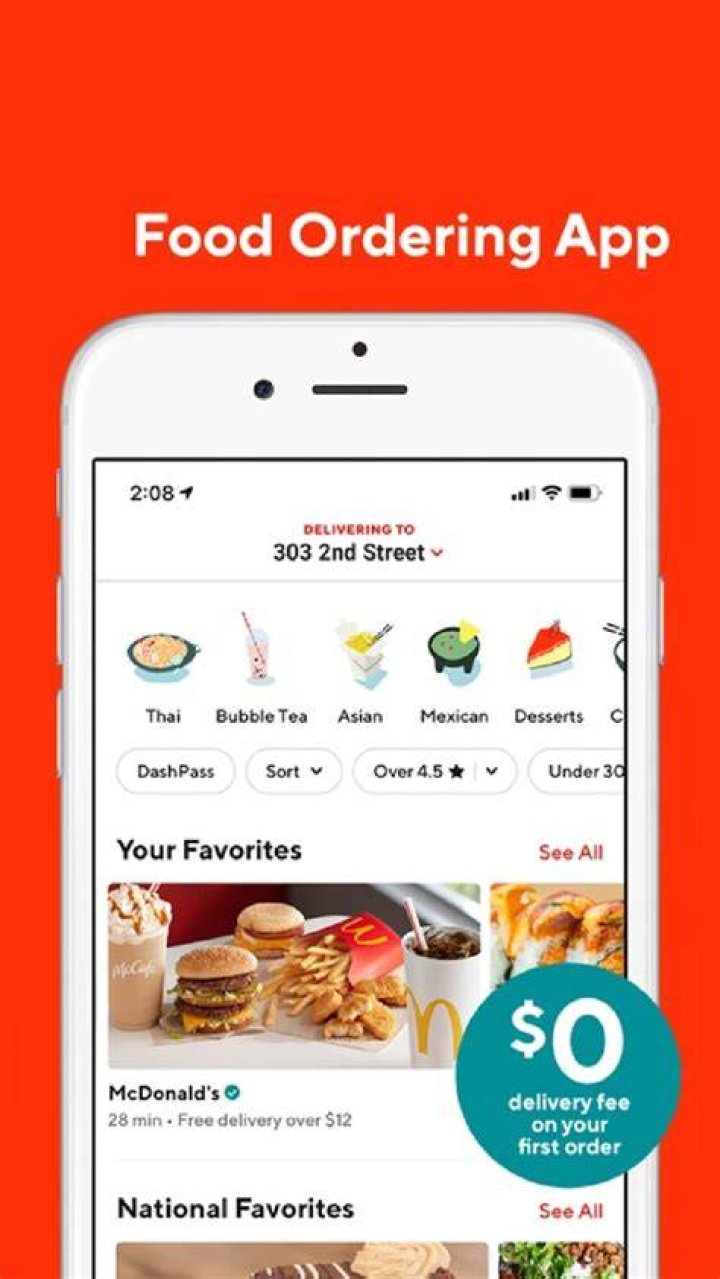
The platform connects hungry customers with local restaurants through a mobile app or website. But DoorDash is more than just a middleman. It's a complex system involving algorithms, independent contractors called Dashers, and partnerships with over 500,000 merchants across thousands of cities. Understanding how this service works can help you decide whether it fits your lifestyle and budget.
The DoorDash Business Model Explained
DoorDash operates on a three-sided marketplace model. Customers browse menus and place orders through the app. Restaurants receive these orders and prepare the food. Dashers pick up completed orders and deliver them to customers' doors. Each party pays or earns money in different ways, creating a revenue stream that made DoorDash a publicly traded company worth billions.
Restaurants typically pay commission fees ranging from 15% to 30% per order, depending on their partnership level. Higher commission tiers give restaurants better visibility in the app and access to DoorDash's delivery fleet. Some establishments raise menu prices on delivery apps to offset these fees, which means customers might pay more than ordering directly.
Customers face several charges beyond the menu price. Delivery fees vary based on distance, demand, and restaurant partnership status. Service fees add another percentage to the subtotal. Small order fees apply when purchases fall below a minimum threshold. DashPass subscribers pay a monthly fee to eliminate delivery charges on eligible orders, though service fees still apply.
How Dashers Earn Money
Dashers are independent contractors, not employees. They use their own vehicles and choose when to work. Base pay for each delivery depends on distance, time, and desirability. Tips from customers make up a significant portion of earnings. DoorDash guarantees a minimum amount per delivery, supplementing the payment if base pay plus tips fall short.
The earnings potential varies dramatically. Urban Dashers during peak hours can earn $20-30 per hour before expenses. Suburban and rural drivers often make less. Gas, vehicle maintenance, and insurance eat into gross earnings. Since Dashers are contractors, they pay self-employment taxes and receive no benefits like health insurance or paid time off.
DoorDash provides acceptance rates, completion rates, and customer ratings for each Dasher. High ratings unlock opportunities like early access to scheduling and qualification for the Top Dasher program, which offers more delivery offers and the ability to dash without scheduling.
The Technology Behind the Platform
DoorDash's success relies heavily on sophisticated algorithms. When you place an order, the system assigns it to a nearby Dasher based on multiple factors: proximity to the restaurant, current direction of travel, acceptance history, and predicted delivery time. Machine learning models optimize routes and predict preparation times, reducing wait periods and cold food complaints.
The app tracks every stage in real time. Customers see when the restaurant confirms the order, when a Dasher is assigned, when they pick up the food, and their current location during delivery. This transparency reduces anxiety about order status, though GPS tracking occasionally glitches or updates slowly.
Behind the scenes, DoorDash uses predictive analytics to position Dashers in high-demand areas before orders come in. This "predictive positioning" shortens delivery times and improves efficiency. The company invested heavily in data science teams and logistics technology to maintain its competitive edge against Uber Eats and Grubhub.
DashPass Subscription Service
DashPass costs $9.99 monthly and eliminates delivery fees on orders over $12 from eligible restaurants. Subscribers also receive reduced service fees. For frequent users, the math works out. Ordering three or four times monthly typically breaks even or saves money compared to paying individual delivery fees.
Not all restaurants participate in DashPass. High-end establishments and some local eateries opt out of the program. The app clearly marks which locations accept DashPass benefits, preventing confusion at checkout. Some credit cards and phone plans include complimentary DashPass memberships as a perk, making it worth checking your existing subscriptions before paying.
DashPass members get early access to exclusive promotions and special offers. During major sports events or holidays, subscribers might receive additional discounts or priority delivery. The service also includes access to DoorDash's grocery and convenience store delivery without extra fees.
Restaurant Partnerships and Challenges
Restaurants have a love-hate relationship with DoorDash. The platform exposes them to customers who might never visit in person. During the pandemic, delivery apps became a lifeline for struggling establishments. Sales through DoorDash and similar services kept many restaurants afloat when dining rooms closed.
But the commission structure cuts into already thin profit margins. A restaurant making 5-10% profit margin suddenly loses 15-30% to DoorDash fees. Some owners claim they barely break even on delivery orders, viewing them as marketing expenses rather than profitable sales. Disputes over order errors create additional friction, with restaurants and DoorDash sometimes disagreeing about who should absorb the cost of mistakes.
Quality control presents persistent problems. Food sits waiting for Dashers during busy periods. Cold burgers and soggy fries damage restaurant reputations even when delivery delays aren't their fault. Some establishments invested in specialized packaging to maintain food quality during transport, adding another expense to their operations.
Comparing DoorDash to Competitors
| Feature | DoorDash | Uber Eats | Grubhub |
|---|---|---|---|
| Market Share (2026) | ~59% | ~24% | ~12% |
| Subscription Cost | $9.99/month | $9.99/month | $9.99/month |
| Average Delivery Fee | $2-$8 | $2-$8 | $2-$7 |
| Restaurant Selection | Largest | Very Large | Large |
| Grocery Delivery | Yes | Yes | Limited |
DoorDash's larger market share translates to more restaurant options in most areas. Smaller cities and suburbs often have better coverage through DoorDash than competitors. Uber Eats leverages its rideshare driver network, sometimes offering faster deliveries in dense urban areas. Grubhub focuses on established restaurant partnerships and appeals to users who prefer its interface.
Beyond Restaurant Delivery
DoorDash expanded beyond restaurant meals into multiple categories. Grocery delivery partnerships with chains like Safeway and Albertsons turn the app into a full-service shopping platform. Convenience store delivery brings snacks, drinks, and household essentials within 30 minutes. Pet supply delivery, flower delivery, and even alcohol delivery (in permitted areas) broaden the service's utility.
This diversification helps DoorDash maintain growth as the restaurant delivery market saturates. Customers who already use the app for dinner find it convenient to order other items through the same platform. The logistics infrastructure built for food delivery adapts easily to other products, giving DoorDash advantages over specialized competitors in each category.
DashMart stores represent DoorDash's most ambitious expansion. These company-owned fulfillment centers stock popular items for ultra-fast delivery. Unlike traditional grocery stores, DashMarts exist solely for delivery orders. They carry convenience store staples, household items, and local restaurant favorites that DoorDash packages and delivers directly.
Common Complaints and Solutions
Missing items top the list of customer complaints. Orders arrive without drinks, sides, or entire entrees. DoorDash's refund process handles most issues through the app, typically issuing credits within minutes. But frequent problems frustrate users who just want complete orders. Restaurants and Dashers sometimes blame each other, leaving customers caught in the middle.
Late deliveries spike during peak hours, bad weather, and driver shortages. The app's estimated delivery time occasionally proves wildly inaccurate. Customers watching their Dasher drive in the wrong direction or make multiple stops experience understandable irritation. Tipping generously upfront increases the likelihood of prompt delivery, though this shouldn't be necessary for acceptable service.
Customer support quality varies. Simple issues like missing items get resolved quickly through automated systems. Complex problems requiring human intervention lead to long wait times and sometimes unsatisfactory resolutions. Phone support exists but remains difficult to access, with the app pushing users toward chat or email options.
Tips for Getting the Best Experience
Ordering during off-peak hours improves every aspect of the experience. Lunch orders placed at 11 AM arrive faster and hotter than those at 12:30 PM. Dinner orders before 6 PM or after 8 PM avoid the worst rush periods. Weekend mornings work well for breakfast delivery when competition for Dashers is minimal.
Tip amounts directly affect service speed and care. Orders with $0 tips sit unclaimed while Dashers accept better-paying deliveries. A $5-8 tip for most orders ensures prompt acceptance and careful handling. Consider distance too—longer drives deserve higher tips. The suggested tip amounts in the app often fall below what encourages good service.
Check restaurant reviews and ratings within the app before ordering. Establishments with consistent low ratings for delivery usually have good reasons. Poor packaging, slow preparation, or frequent errors make some restaurants bad choices for delivery even if their dine-in experience excels. Sticking with highly-rated options reduces disappointment.
Reading reviews specifically mentioning delivery helps identify which restaurants handle takeout well. Some places simply don't package food properly for transport. Soups spill, salads arrive warm, or fried foods turn soggy. These issues aren't DoorDash's fault, but they ruin your meal regardless of who's responsible.
Privacy and Data Concerns
DoorDash collects substantial data about your eating habits, location history, and spending patterns. The company uses this information to personalize recommendations and improve services. But data collection always raises privacy questions. What happens to your information? Who can access it? How long is it retained?
The company's privacy policy outlines data practices, though few users read the lengthy document. DoorDash shares some information with restaurants and Dashers as necessary for order fulfillment. They may also share data with third-party advertisers and analytics companies. Location tracking continues even when you're not actively using the app if permissions allow.
Users concerned about privacy can limit data collection through app settings and phone permissions. Disabling location access when not ordering prevents constant tracking. Opting out of promotional emails and push notifications reduces unwanted contact. Creating an account with minimal personal information provides some protection, though payment methods inevitably link to your identity.
The Future of Food Delivery
DoorDash experiments with autonomous delivery vehicles and drones, though regulatory hurdles slow widespread adoption. Small robotic vehicles already deliver orders in select cities, navigating sidewalks to customers' doors. These technologies could reduce delivery costs and speed up service, but they're years away from replacing human Dashers in most areas.
The company faces ongoing labor debates about contractor classification. Some jurisdictions passed laws requiring app-based companies to reclassify workers as employees with full benefits. DoorDash and competitors fought these measures through ballot initiatives and lobbying. The outcome of these battles will reshape the gig economy and potentially increase delivery costs if driver classification changes.
Ghost kitchens represent another growing trend. These restaurant facilities exist only for delivery, with no dining rooms or storefronts. Multiple restaurant brands operate from a single kitchen, optimizing space and reducing overhead. DoorDash partners with ghost kitchen operators, seeing them as ideal partners for delivery-focused customers.
Making the Final Decision
DoorDash works best for people who value convenience over cost savings. Busy professionals, parents with limited time, and anyone who dislikes cooking find the service worthwhile despite premium pricing. Those on tight budgets should use it sparingly, reserving delivery for occasions when time constraints or circumstances justify the expense.
The service quality depends heavily on your location. Dense urban areas with many restaurants and Dashers provide excellent experiences. Small towns with limited options and few drivers often face long waits and high fees. Testing the service a few times reveals whether DoorDash works well in your area before committing to a DashPass subscription.
Competition among delivery apps means you're not locked into one choice. Comparing prices and delivery times across DoorDash, Uber Eats, and Grubhub for the same restaurant often reveals significant differences. Some users keep multiple apps installed, choosing based on current promotions and estimated delivery times for each order.