Why Golden Retrievers Smile During Belly Rubs: The Science Behind It
 Sarah Rowe
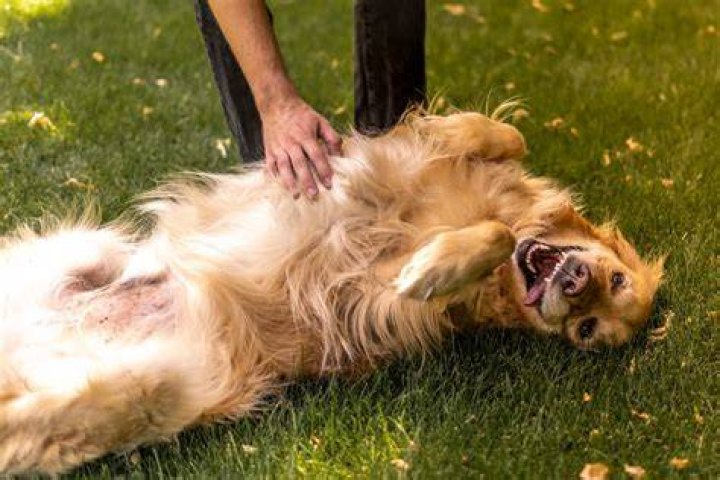
Anyone who has spent time with a golden retriever knows the sight well. You reach down to scratch their belly, and suddenly their mouth opens into what looks unmistakably like a smile. Their eyes soften, their tail wags furiously, and they lean into your touch with complete abandon. This endearing behavior has captivated dog owners for generations, but what's really happening when your golden retriever appears to smile during those treasured belly rub sessions?
The combination of a golden retriever's naturally friendly disposition and their visible pleasure during belly rubs creates one of the most heartwarming interactions between humans and dogs. While we often anthropomorphize our pets, assigning human emotions to their expressions, the reality behind these "smiles" involves a fascinating mix of canine communication, genuine emotional responses, and the deep trust these dogs place in their families.
Understanding Canine Facial Expressions
Dogs communicate differently than humans, yet we've lived alongside them long enough that certain expressions feel universal. What we interpret as a smile in golden retrievers often involves a relaxed, open mouth with the tongue visible—sometimes referred to as a "submissive grin" in canine behavior terminology.
This expression doesn't necessarily mirror human smiling, but it does indicate a positive emotional state. When your golden retriever sprawls on their back, exposing their vulnerable belly, and then displays this open-mouthed expression, they're showing trust and contentment simultaneously. The behavior stems from a combination of instinct and learned responses to positive reinforcement.
Golden retrievers, bred originally as hunting companions who worked closely with humans, developed exceptional abilities to read and respond to human cues. This breeding history created dogs that naturally seek human approval and form strong emotional bonds. Their facial expressions evolved to communicate more effectively with us than many other breeds.
The Belly Rub Connection
Belly rubs represent something profound in the dog-human relationship. A dog's abdomen houses vital organs and represents their most vulnerable area. Wild canines would never expose this region unless they felt completely safe. When your golden retriever flops over and presents their belly, they're demonstrating absolute trust in you.
The act of rubbing a dog's belly triggers several physiological responses. Gentle scratching and petting stimulate nerve endings that release endorphins—the body's natural feel-good chemicals. These endorphins create genuine pleasure, which manifests in relaxed body language, including that characteristic open-mouthed expression we interpret as smiling.
Different dogs have varying preferences for how they like their bellies rubbed. Some golden retrievers prefer firm, circular motions along their rib cage. Others enjoy lighter scratching across their lower belly. Many dogs have a "sweet spot" that, when scratched, causes their leg to kick involuntarily—a scratch reflex that's entirely separate from the emotional response but adds to the overall experience.
Scientific Perspective on Dog Emotions
Recent research has transformed our understanding of canine emotions. Studies using MRI scans on dogs have shown that their brains process emotions in ways surprisingly similar to humans. The caudate nucleus, a brain region associated with positive emotions and anticipation of pleasurable experiences, lights up when dogs interact with their owners.
Dr. Gregory Berns, a neuroscientist at Emory University who conducted groundbreaking research on dog cognition, found that dogs experience genuine emotions rather than simply responding to stimuli mechanically. When golden retrievers appear to smile during belly rubs, there's likely a real positive emotional experience happening, not just a reflexive response.
The hormone oxytocin, often called the "love hormone," plays a crucial role in these interactions. Both dogs and humans experience oxytocin releases during positive physical contact. When you rub your golden retriever's belly, both of you get a chemical boost that strengthens your bond. This mutual hormonal response explains why these moments feel so satisfying for both parties.
Why Golden Retrievers Are Particularly Expressive
Not all dog breeds display the "smiling during belly rubs" behavior as prominently as golden retrievers. Several factors make this breed especially prone to these expressive moments:
- Selective breeding emphasized friendly, people-oriented temperament traits over generations
- Their facial structure allows for more visible expressions compared to breeds with shorter muzzles
- High intelligence enables them to learn that certain expressions elicit positive responses from humans
- Natural retrieving instinct creates dogs that actively seek interaction and approval
- Low aggression levels mean they're comfortable displaying vulnerable behaviors like belly exposure
- Strong pack mentality makes them view human family members as integral to their social group
Reading Your Dog's Body Language
While the "smile" during belly rubs typically indicates happiness, responsible dog owners should understand the full context of canine body language. A relaxed, happy golden retriever during belly rubs will display several signs beyond the open-mouthed expression.
Look for soft, relaxed eyes. Happy dogs have what trainers call "soft eyes"—their gaze appears gentle and their eye muscles are relaxed. If you see whale eye (when the whites of their eyes are visible) or tense facial muscles, your dog might actually be uncomfortable despite appearing to smile.
The tail tells a story too. A loose, wagging tail indicates genuine pleasure. The wag should involve the dog's entire rear end in golden retrievers, not just a stiff tail movement. Their overall body should appear loose and floppy, not rigid or tense.
Pay attention to whether your dog initiates the belly rub or tolerates it. Dogs who truly enjoy this interaction will often paw at you, roll over spontaneously, or position themselves in front of you invitingly. Those who are merely tolerating it might freeze, lick their lips nervously, or try to move away when given the opportunity.
Building Trust Through Physical Affection
The willingness of golden retrievers to expose their bellies and display relaxed, happy expressions during rubs reflects the trust you've built. This trust doesn't appear overnight. It develops through consistent positive interactions, meeting their needs reliably, and respecting their boundaries.
Puppies often take time to become comfortable with belly rubs. Young golden retrievers might initially squirm or mouth at your hands playfully. As they mature and learn that this interaction is safe and pleasurable, they become more receptive. Rescue dogs with unknown histories might need even more time to reach this comfort level.
Creating positive associations helps. Keep belly rub sessions relatively short at first. Watch for signs your dog wants to continue—if they roll back over when you stop, they're asking for more. If they stand up and walk away, they've had enough. Respecting these communications teaches your dog that you'll honor their preferences, which deepens trust.
Health Benefits of Regular Petting
Those belly rub sessions do more than just make your golden retriever smile. Regular physical affection provides measurable health benefits for both dogs and their owners. Studies have shown that petting dogs can lower blood pressure, reduce stress hormones, and decrease feelings of loneliness in humans.
For dogs, regular gentle touch can improve circulation, help you detect lumps or abnormalities early, and reduce anxiety levels. Golden retrievers, being a breed prone to certain health issues, benefit from the examination aspect of belly rubs. You might notice skin irritations, ticks, lumps, or other concerns during these intimate moments.
The bonding that occurs during these sessions also contributes to better behavior. Dogs who have strong, positive relationships with their owners tend to be more obedient, less anxious when separated, and generally better adjusted. That simple act of rubbing your dog's belly while they "smile" up at you is actually investing in their psychological well-being.
Common Misconceptions
Some people believe that dogs showing their bellies are always submitting or that the "smile" is a sign of submission rather than happiness. While belly exposure can indicate submission in some contexts, particularly between dogs, the relaxed, playful belly presentation golden retrievers offer their owners is different. Context matters tremendously.
Another misconception suggests that all belly rubs are inherently pleasurable to all dogs. Some dogs simply don't enjoy this type of contact, regardless of breed. Even among golden retrievers, individual preferences vary. Never force a dog to accept belly rubs if they seem uncomfortable.
The idea that dogs "smile" exactly like humans is also misleading. While the expressions appear similar and do indicate positive emotions, the mechanism and meaning aren't identical to human smiling. Dogs have their own communication system that we're only beginning to fully understand through scientific research.
Frequently Asked Questions
Do golden retrievers actually feel happy when they smile during belly rubs?
Yes, research indicates that dogs experience genuine positive emotions during pleasurable interactions. When a golden retriever displays relaxed, open-mouthed expressions during belly rubs, this typically corresponds with the release of endorphins and oxytocin, creating a real sense of contentment and happiness. The "smile" reflects their emotional state, though it's expressed through canine body language rather than being identical to human smiling.
Why does my golden retriever's leg kick when I rub certain spots?
This involuntary kicking is called the scratch reflex. When you hit certain spots on your dog's belly or sides, you activate nerve endings that send signals to the spinal cord, triggering an automatic scratching motion. This reflex evolved to help dogs dislodge parasites or irritants. While it looks funny, it's completely normal and doesn't necessarily indicate the spot you're scratching is particularly pleasurable—it's simply a neurological response.
Should I be concerned if my golden retriever never seems to smile during belly rubs?
Not necessarily. Dogs have individual personalities and preferences. Some golden retrievers might enjoy belly rubs but express their pleasure differently—through tail wagging, leaning into you, or simply staying relaxed. Others might prefer different types of affection like ear scratches or back rubs. As long as your dog seems healthy, responsive, and bonds with you in other ways, the absence of this specific behavior isn't cause for concern. However, a sudden change in behavior warrants a veterinary check.
Creating Meaningful Moments
The image of a golden retriever smiling during belly rubs has become iconic for good reason. It captures something essential about the relationship between humans and dogs—mutual affection, trust, and the simple joy of companionship. These moments matter not because they're Instagram-worthy, but because they represent genuine connection.
Next time your golden retriever rolls over and gazes up at you with that characteristic open-mouthed expression, you'll understand the complex mix of trust, emotion, and biological response behind it. The behavior reflects thousands of years of domestication, the individual bond you've built, and your dog's authentic positive experience in that moment. That's worth far more than any photograph, though you'll probably take one anyway. And honestly? Your golden retriever wouldn't have it any other way.
