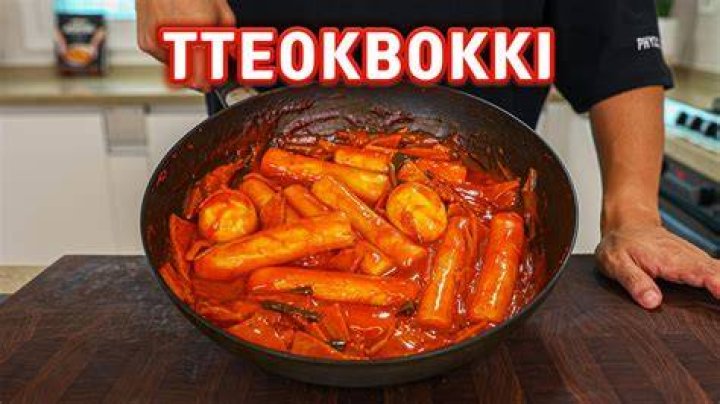
How to Say Tteokbokki: Master the Pronunciation of Korea's Famous Dish
 Avery Gonzales
Tteokbokki has become one of Korea's most recognizable culinary exports, appearing in everything from street food videos to K-drama scenes. But saying the name correctly? That's where many people stumble. The word looks deceptively simple on paper, yet its pronunciation trips up even enthusiastic Korean food lovers who've devoured countless servings of these chewy rice cakes.
Getting the pronunciation right isn't just about linguistic accuracy. It shows respect for Korean culture and helps you connect more authentically when ordering at restaurants or discussing Korean cuisine with others. This guide breaks down exactly how to pronounce tteokbokki, explains why it's pronounced that way, and gives you the confidence to say it like a native speaker.
The Correct Pronunciation of Tteokbokki
Tteokbokki is pronounced "dduk-bo-kee" or more precisely "tteok-poh-kee." The double consonants at the beginning create a harder, more emphatic sound than English speakers typically use. Think of it as somewhere between "duk" and "tuk," with a slight tension in your throat before releasing the sound.
The Romanized spelling "tteokbokki" uses the Revised Romanization of Korean system, which became the official standard in 2000. Before that, you might have seen it written as "ddukbokki" or "dukbokki." All refer to the same dish, but the current spelling better represents the actual Korean pronunciation.
Breaking it down syllable by syllable helps. The first part, "tteok," means rice cake. The second part, "bokki," means stir-fried or sautéed. Put them together, and you get stir-fried rice cakes. Simple concept, challenging pronunciation.
Understanding Korean Double Consonants
The trickiest part? Those doubled letters at the start. Korean has something called "tensed" or "fortis" consonants, represented in Romanization by doubling the letter. The "tt" in tteokbokki isn't pronounced like the "tt" in "butter" or "bitter." Instead, you hold back air pressure slightly before releasing the sound, creating a crisper, more defined consonant.
Native English speakers often pronounce it as "tuh-oak-bo-kee," adding an extra vowel sound after the initial consonant. That's not quite right. The correct pronunciation is sharper, more percussive. Your tongue should touch the roof of your mouth firmly, then release quickly without that extra vowel sound sneaking in.
The "k" sounds in both syllables follow similar rules. They're unaspirated, meaning you don't release a puff of air like you would with the "k" in "kite." Hold your hand in front of your mouth while saying "kite" versus "ski." Feel the difference? The second one has less air. That's closer to the Korean "k" sound.
Common Pronunciation Mistakes
Most people make one of several predictable errors when attempting to say tteokbokki:
- Pronouncing the first syllable as "tuh-oak" instead of "ttok" – this adds an unnecessary vowel sound and softens the initial consonant
- Saying "bo-key" instead of "bo-kee" – the final syllable uses an "ee" sound like "ski," not "ay" like "key"
- Stressing the wrong syllable – Korean typically places equal stress on syllables rather than emphasizing one strongly
- Aspirating the consonants too heavily – Korean unaspirated consonants are softer than their English equivalents
- Pronouncing it as three syllables ("tuh-oak-bok-kee") instead of the correct three-syllable rhythm ("ttok-bo-kee")
Why Pronunciation Matters in Korean
Korean is what linguists call a phonetic language with consistent pronunciation rules. Each Korean character (Hangul) represents a specific sound, and those sounds don't vary much based on context. This makes Korean pronunciation relatively consistent once you learn the basics.
The word tteokbokki in Hangul is written 떡볶이. The first character (떡) represents that doubled "tt" sound, the second (볶) combines "b" with "ok," and the final character (이) creates the "ee" ending. Understanding this structure helps explain why the Romanization looks the way it does.
Proper pronunciation also prevents confusion. Korean has many words that sound similar but mean completely different things. While tteokbokki is distinctive enough that you'll probably be understood even with imperfect pronunciation, getting it right demonstrates cultural awareness and genuine interest in Korean language and cuisine.
Regional Variations and Dialects
Standard Korean pronunciation, based on the Seoul dialect, is what most language learners and food enthusiasts encounter. However, regional variations exist throughout Korea. Some dialects pronounce certain consonants slightly differently or use different intonation patterns.
In Busan and the southeastern Gyeongsang region, you might hear subtle differences in pronunciation. The same applies to Jeju Island, which has its own distinct dialect. But these variations are minor enough that the standard pronunciation works everywhere in Korea and among Korean speakers worldwide.
Practicing Your Pronunciation
Want to sound natural? Listen to native speakers. YouTube videos, Korean cooking shows, and language learning apps provide excellent resources. Pay attention not just to individual sounds but to the rhythm and flow of the whole word.
Try this practice method: Say "dock" without the "d" sound. That gets you closer to "ttok." Now add a sharp, crisp consonant at the beginning, tensing your tongue against the roof of your mouth. That's your "ttok." For "bokki," think "boat" plus "key," but smoother and faster.
Recording yourself helps. Compare your pronunciation to native speakers. The differences might surprise you. Most learners find they're either too soft with the initial consonant or adding extra vowel sounds between syllables.
Cultural Context Behind the Name
Tteokbokki's name reflects its preparation method. Tteok refers to Korean rice cakes, which come in hundreds of varieties. The specific type used in tteokbokki is called garaetteok – cylinder-shaped white rice cakes with a distinctively chewy texture.
Bokki comes from the verb bokkda, meaning to stir-fry or cook something with a coating of sauce. You'll see this suffix in other Korean dishes like ojingeo-bokkeum (spicy stir-fried squid) and kimchi-bokkeumbap (kimchi fried rice). Understanding these word components helps you recognize patterns in Korean food names.
The dish itself dates back to the Joseon Dynasty, though the modern spicy version most people know appeared only in the 1950s. Street vendors in Seoul popularized it, and it quickly became a staple of Korean street food culture.
Using Tteokbokki in Conversation
Once you've mastered the pronunciation, you'll want to use it naturally. In restaurants, simply saying "tteokbokki, please" works fine. If you want to be more polite in Korean, "tteokbokki juseyo" (떡볶이 주세요) means "Please give me tteokbokki."
When discussing Korean food with others, proper pronunciation marks you as someone who's done their homework. It opens doors to deeper conversations about Korean culture, cooking techniques, and regional food variations.
Related Korean Food Terms
If you're learning to say tteokbokki, you might encounter related terms. Rabokki combines ramyeon (instant noodles) with tteokbokki. Cheese tteokbokki adds melted cheese on top. Gungjung tteokbokki is the royal court version, made with soy sauce instead of gochujang (red pepper paste).
Each variation keeps the base word "tteokbokki," so mastering this pronunciation gives you a foundation for understanding related dishes. The pronunciation principles remain consistent across these variations.
Frequently Asked Questions
Is it pronounced "tock-poke-ee" or "duck-bo-kee"?
Neither spelling quite captures it, but "duck-bo-kee" is closer. The initial sound is harder and more emphatic than the "d" in "duck," and the middle syllable uses a crisper "b" sound. The most accurate phonetic spelling would be "ttok-bo-kee" with emphasis on the tensed initial consonant.
Why are there so many different spellings of tteokbokki?
Different Romanization systems explain the variety. Older spellings like "dukbokki" or "ddukbokki" came from earlier Romanization standards. The current official spelling "tteokbokki" follows the Revised Romanization system adopted in 2000. All versions refer to the same dish, but the newest spelling better represents Korean pronunciation for non-Korean speakers.
Do I need to speak Korean to order tteokbokki correctly?
Not at all. Just pronouncing "tteokbokki" reasonably well is enough. Most restaurant staff understand the dish is popular with international customers and will recognize various pronunciation attempts. That said, getting closer to the correct pronunciation shows respect and often leads to better service and more authentic recommendations from staff.
What's the easiest way to remember the pronunciation?
Break it into three parts: "ttok" (like "talk" without the "l"), "bo" (like "bow" in "bow and arrow"), and "kee" (like "key" without the "y" sound). String them together quickly, and you'll get close. The key is keeping it smooth and avoiding extra syllables or vowel sounds between the parts.
Does pronunciation differ between North and South Korea?
Standard pronunciation is essentially the same in both Koreas, as they share the same fundamental language structure. However, decades of separation have created some vocabulary and accent differences. For common food terms like tteokbokki, the pronunciation remains consistent, though North Koreans might use slightly different terms for some ingredients.
Final Thoughts
Pronouncing tteokbokki correctly takes practice, but it's not as difficult as it initially seems. The key lies in understanding Korean consonant sounds, particularly those tensed initial consonants that don't exist in English. With a bit of listening and repetition, you'll sound natural.
Remember that native Korean speakers appreciate the effort, even if your pronunciation isn't perfect. Language learning is a journey, and food vocabulary is one of the most rewarding places to start. Every time you order tteokbokki with confidence, you're not just getting a delicious meal – you're connecting with centuries of Korean culinary tradition.
