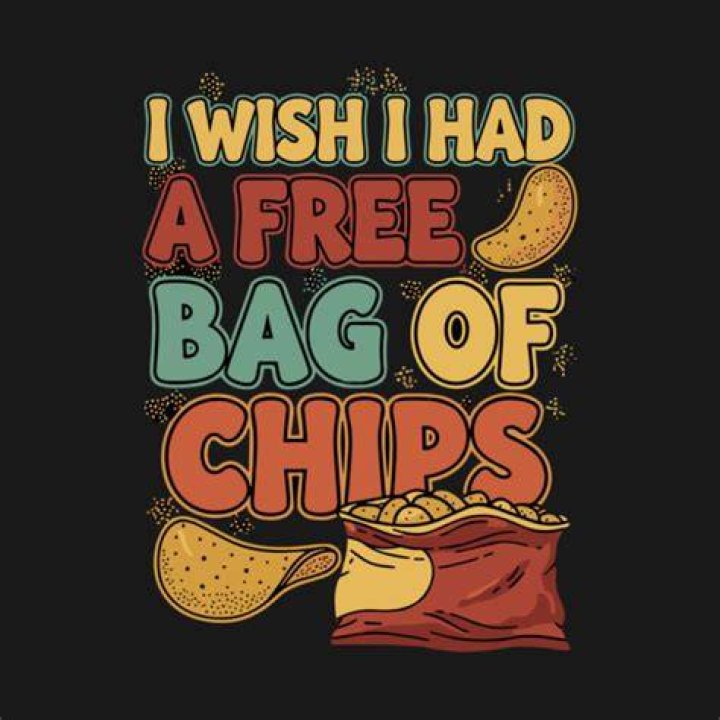
What Does "I Wish I Had a Free Bag of Chips" Really Mean?
 William Cox
The phrase "I wish I had a free bag of chips" might sound like a trivial statement about snack food at first glance. But dig deeper, and you'll find it represents something far more profound about contemporary life, economic anxiety, and the small pleasures that feel increasingly out of reach for ordinary people. This expression has become a cultural touchstone, capturing the essence of financial stress wrapped in humble, relatable terms.
What started as a simple observation about wanting something small without spending money has evolved into a shorthand for expressing deeper frustrations about affordability, wage stagnation, and the cumulative weight of seemingly minor expenses. The phrase resonates because it's simultaneously lighthearted and melancholic, representing both genuine desire for a simple treat and commentary on broader economic realities.
The Surface Meaning and Hidden Depths
On its most basic level, wishing for a free bag of chips means exactly what it says. Someone wants chips but doesn't want to pay for them. Simple enough. But language rarely operates on just one level, especially when phrases gain traction in popular discourse.
The genius of this expression lies in its accessibility. Everyone understands wanting something for free. Chips represent an affordable indulgence, not an extravagant luxury. They cost a few dollars at most. Yet even this modest pleasure can feel like an unnecessary expense when money is tight. That's where the meaning shifts from literal to symbolic.
When someone says they wish they had a free bag of chips, they're often articulating a broader feeling of being nickel-and-dimed by life. It's about the accumulated weight of small purchases that add up faster than paychecks. Coffee here, snacks there, parking fees, subscription services, delivery charges. Each individual cost seems manageable, but together they create constant financial pressure.
Cultural Context and Economic Anxiety
This phrase gained prominence during a period of heightened economic awareness. Inflation, rising housing costs, stagnant wages, and increasing prices for basic goods have created what economists call a "cost of living crisis" in many developed nations. Against this backdrop, even cheap pleasures like a bag of chips can trigger reflection about personal finances.
Social media amplified this sentiment. Platforms like Twitter, TikTok, and Reddit became spaces where people shared frustrations about money in creative, often humorous ways. The phrase fits perfectly into this digital ecosystem because it's self-deprecating without being depressing, relatable without being preachy.
What makes the expression particularly resonant is its humble scope. It doesn't demand a mansion or luxury car. It asks for chips. Free chips. This modesty underscores how even small wants can feel unattainable when stretched thin financially. It's a window into everyday economic reality for millions who work full-time but still worry about discretionary spending.
Psychological and Emotional Dimensions
Beyond economics, the phrase taps into psychological territory about reward, treat culture, and self-care. Modern wellness discourse frequently emphasizes treating yourself, practicing self-care, and finding small joys. But what happens when even those small joys require budgeting and consideration?
The wish for free chips represents tension between desire and discipline. Part of responsible adulting involves making smart financial choices, which sometimes means denying yourself small pleasures. But constant denial creates its own stress. The phrase captures this internal conflict perfectly. It's not about needing chips. It's about wanting permission to enjoy something without guilt or consequence.
There's also an element of nostalgia embedded in the expression. Many people remember childhood moments when parents or relatives would surprise them with treats without strings attached. Free chips evoke that carefree experience of receiving something pleasant unexpectedly. Adult life, with its bills and budgets, rarely offers such uncomplicated moments of gratification.
Variations and Related Expressions
Like many viral phrases, "I wish I had a free bag of chips" has spawned variations and related expressions. People substitute different items based on personal preference or regional differences. "I wish I had free coffee," "I wish someone would buy me lunch," or "I wish gas was free today" all operate on the same principle.
Each variation maintains the core elements: something relatively inexpensive, a wish for it to be free, and unspoken commentary about financial pressure. The specific item matters less than the sentiment it represents. Whether chips, coffee, or parking, the underlying message remains consistent.
Some people have expanded the phrase into broader life philosophy. They use it as shorthand for appreciating life's simple pleasures when they do come along. Others employ it ironically, highlighting the absurdity of worrying about such small purchases while facing larger systemic issues.
Why It Matters in Modern Discourse
Expressions like this serve important social functions. They create solidarity among people experiencing similar struggles. When someone says they wish they had free chips, others immediately understand and relate. This shared understanding builds community and validates individual experiences.
The phrase also provides a non-confrontational way to discuss money troubles. Talking openly about financial stress carries stigma in many cultures. People fear judgment or pity. But expressing the same concern through a lighthearted phrase about chips feels safer and more socially acceptable.
From a linguistic perspective, the expression demonstrates how language evolves to meet contemporary needs. New phrases emerge when existing vocabulary doesn't quite capture what people want to express. This particular phrase filled a gap in how we talk about economic anxiety in everyday, accessible terms.
The Broader Implications
What does it say about society when wishing for free chips becomes a meaningful cultural expression? Some interpret it as evidence of systemic problems with wealth distribution and wage structures. Others see it as normal human behavior, pointing out that people have always wanted free things regardless of economic conditions.
Both perspectives hold truth. Economic pressures are real and measurable. Statistics show that many workers struggle to afford basic necessities despite full-time employment. At the same time, the human desire for gifts and windfalls is timeless and universal.
The phrase works precisely because it exists at this intersection. It acknowledges real financial constraints while maintaining levity. It's serious without being heavy, meaningful without being preachy. This balance makes it effective communication and explains its staying power in popular vocabulary.
Frequently Asked Questions
Is "I wish I had a free bag of chips" about actual chips?
Sometimes yes, sometimes no. The phrase can literally mean someone wants chips without paying. But more often, it's used figuratively to express feelings about money, small pleasures, and the cumulative cost of everyday life. Context determines whether the speaker means it literally or metaphorically. Both interpretations are valid, and the phrase's power comes from working on multiple levels simultaneously.
Where did this expression originate?
The exact origin is difficult to pinpoint, as is common with organic internet expressions. It likely emerged from social media conversations about money and daily expenses, gaining traction through repetition and relatability rather than a single viral moment. The phrase reflects collective sentiment that crystallized into memorable wording. Unlike branded catchphrases or celebrity quotes, it belongs to internet culture broadly rather than one specific source.
Does using this phrase mean someone is struggling financially?
Not necessarily. While the expression resonates strongly with people experiencing financial pressure, it's also used humorously by those in stable situations. Some people employ it ironically or as casual commentary about preferring free things. However, the phrase's popularity does correlate with broader economic anxiety affecting various income levels. Context and tone matter when interpreting whether someone is genuinely expressing financial stress or simply being playful.
Final Thoughts
The meaning of "I wish I had a free bag of chips" extends well beyond snack food. It's become a cultural marker, a way of discussing economic reality through accessible language. The phrase captures something essential about contemporary life: the tension between wanting simple pleasures and managing constant financial considerations. Its persistence in popular vocabulary suggests it fills a real need for expressing complex feelings about money, worth, and daily life in terms everyone can understand. Whether taken literally or metaphorically, the expression offers insight into how ordinary people navigate economic pressures while maintaining humor and humanity. That's not bad for a sentence about chips.
