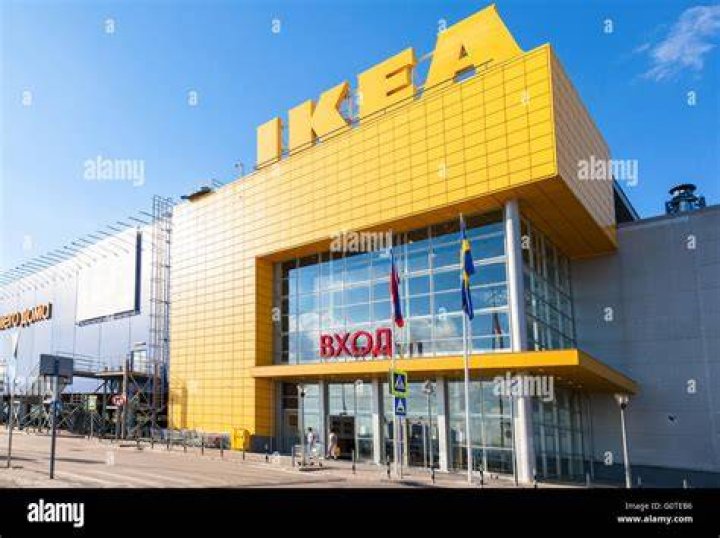
IKEA: The Story Behind the World's Largest Furniture Retailer
 Mia Fernandez
 Walk into any IKEA store, and you're entering more than just a furniture showroom. You're stepping into a carefully orchestrated experience that has revolutionized how people around the world furnish their homes. Founded in 1943 by a 17-year-old Swedish entrepreneur, IKEA has grown from humble beginnings into a retail phenomenon with over 460 stores across more than 60 countries. But what makes this blue-and-yellow brand so distinctive isn't just its size—it's how it fundamentally changed the furniture industry.
The company's success stems from a deceptively simple idea: well-designed furniture shouldn't be expensive. By asking customers to assemble products themselves and implementing efficient flat-pack shipping, IKEA slashed costs that traditional furniture makers couldn't touch. This model turned what could have been a limitation into the brand's greatest strength, creating a loyal following of budget-conscious consumers who don't mind wielding an Allen wrench for significant savings.
From Mail-Order Catalogs to Global Dominance
Ingvar Kamprad started IKEA as a teenager in Älmhult, Sweden, initially selling pens, wallets, and small household items through mail-order catalogs. The name itself is an acronym: Ingvar Kamprad, Elmtaryd (his family farm), and Agunnaryd (his hometown parish). Furniture didn't enter the picture until 1948, but once it did, everything changed.
The flat-pack concept emerged almost by accident in 1956. A worker named Gillis Lundgren removed the legs from a table to fit it into his car, and suddenly the entire business model crystallized. If furniture could ship disassembled, transportation costs would plummet. Storage would become more efficient. Retail spaces could display more products. The innovation was so obvious in hindsight that it's hard to imagine furniture retail any other way.
By the 1960s, IKEA opened its first store outside Sweden. The expansion accelerated through the following decades, reaching North America in the 1980s and Asia in the 1990s. Each new market presented challenges—cultural preferences differ, living spaces vary, and what works in Stockholm doesn't always translate to Shanghai or San Francisco. Yet IKEA adapted while maintaining its core identity.
The Shopping Experience That Changed Retail
IKEA stores follow a distinctive layout that's both praised and criticized. The winding, one-way path forces shoppers through nearly the entire showroom before reaching the warehouse section. This isn't accidental. The design maximizes product exposure, encouraging impulse purchases of items customers didn't know they needed.
Room settings replace traditional retail displays. Instead of seeing a couch in isolation, shoppers view complete living rooms styled to inspire. This merchandising approach helps people visualize how products work together, making decisions easier and increasing basket sizes. Small items like candles, picture frames, and kitchen gadgets populate the route, landing in carts along the way.
The in-store restaurant serves another strategic purpose beyond feeding hungry shoppers. Swedish meatballs have become synonymous with IKEA, creating an experience that extends beyond furniture shopping. These restaurants serve millions of meals annually, with some customers visiting specifically for the food. It's brand building through unexpected channels.
Design Philosophy and Product Development
IKEA operates on a principle called "democratic design," which balances form, function, quality, sustainability, and low price. Achieving all five simultaneously requires constant innovation. Designers work backward from target price points, figuring out how to create attractive, durable products within strict budgets.
The BILLY bookcase exemplifies this approach. Launched in 1979, it's sold over 110 million units—roughly one for every 15 people on Earth. Its success comes from ruthless efficiency: standardized dimensions, minimal materials, and manufacturing processes refined over decades. Yet it doesn't look cheap or feel flimsy when properly assembled.
New products undergo rigorous testing. IKEA's testing lab in Sweden simulates years of use in compressed timeframes. Chairs get sat in thousands of times. Drawers open and close repeatedly. Sofas endure equivalent abuse of a decade's heavy use. Products that don't meet standards never reach stores, regardless of how appealing they look.
The Flat-Pack Revolution and Its Challenges
Self-assembly defines IKEA for many customers. The experience ranges from satisfying to maddening, depending on product complexity and assembly skill. Those wordless instruction manuals with cartoon figures have become iconic, instantly recognizable regardless of language barriers.
Critics argue that self-assembly creates hidden costs in time and frustration. Supporters counter that it democratizes furniture ownership, making quality design accessible to people who couldn't otherwise afford it. Both perspectives hold truth. A college student furnishing their first apartment faces different calculations than a busy professional who'd rather pay for delivery and assembly.
The company has responded by expanding services. Most stores now offer delivery and assembly for fees that remain below traditional furniture retailers. TaskRabbit partnerships in some markets provide professional assembly. These options acknowledge that pure self-service doesn't work for everyone, while maintaining low base prices for those willing to do the work.
Sustainability Initiatives and Environmental Impact
IKEA has committed to becoming climate positive by 2030, an ambitious target for a company that ships millions of products globally. Renewable energy investments include wind and solar farms that generate more electricity than all stores and factories consume. Forest management programs aim to source all wood from sustainable or recycled sources.
Product design increasingly emphasizes circular economy principles. The furniture-as-a-service concept allows customers to lease rather than buy certain items. Buyback programs let people return used furniture for store credit, with pieces resold or recycled. These initiatives address criticism about disposable furniture culture, though skeptics question whether they offset rapid production volumes.
Packaging reduction efforts target the mountains of cardboard and plastic involved in flat-pack shipping. Compressed packaging saves space, reducing transportation emissions. Material substitutions replace less sustainable options where possible. Progress continues incrementally rather than through dramatic single changes.
Cultural Adaptation Across Global Markets
IKEA products maintain consistency worldwide, but regional variations exist. Kitchen cabinets come in different sizes to match local appliances. Bed dimensions adjust to regional preferences. Color palettes shift based on cultural associations and climate considerations.
The catalog—once the company's primary marketing tool—adapts imagery to reflect local populations while maintaining Scandinavian design aesthetics. Digital transformation has reduced the catalog's importance, though it remains influential in many markets. Some customers still anticipate its annual arrival, browsing pages like fashion magazines.
Naming products after Swedish words creates distinctive identity but occasionally causes confusion or unintended humor in other languages. IKEA accepts this as part of brand character, rarely changing names even when they sound odd or amusing elsewhere. This consistency reinforces Swedish heritage as central to brand identity.
The Economic Model Behind Low Prices
IKEA's pricing strategy depends on volume manufacturing and vertical integration. Long production runs of standardized designs create economies of scale impossible for smaller competitors. Owning significant portions of the supply chain—from forests to factories—eliminates middleman margins.
The franchise structure adds complexity. Most stores operate under franchise agreements with Inter IKEA Systems, which owns the concept and brand. This separation allows geographic expansion while maintaining quality control and brand standards. Financial arrangements remain relatively opaque compared to typical publicly traded retailers.
Real estate strategy emphasizes locations with lower land costs, typically suburban areas with large plots for warehouse-style buildings and parking. This contrasts with traditional furniture retailers in expensive urban shopping districts. Lower occupancy costs translate directly to lower prices, though it requires customers to travel further.
Technology Integration and Digital Transformation
IKEA invested heavily in augmented reality applications that let customers visualize furniture in their homes before purchasing. The IKEA Place app uses smartphone cameras to overlay products into real spaces, showing accurate scale and appearance. This technology addresses the showroom limitation—products look different in store versus home environments.
E-commerce expansion accelerated dramatically during the COVID-19 pandemic. Online ordering with delivery or pickup became essential when physical stores closed. The infrastructure investments made during this period continue benefiting customers who prefer shopping from home, though many still enjoy the in-store experience.
Smart home products represent a newer category. IKEA partnered with Sonos for wireless speakers and developed proprietary smart lighting systems. These products integrate with major smart home platforms, positioning IKEA not just as furniture retailer but as broader home solutions provider.
Criticisms and Controversies
Labor practices have drawn scrutiny over the years. Reports of poor working conditions in supplier factories prompted investigations and policy changes. IKEA maintains audit systems and codes of conduct for suppliers, though monitoring thousands of factories globally remains challenging.
Tax arrangements have generated controversy, particularly regarding complex corporate structures that minimize tax obligations. Critics argue that a company profiting billions annually should contribute more to public coffers in countries where it operates. IKEA defends its structure as legal and appropriate for a global enterprise.
The disposable furniture debate continues. While IKEA promotes sustainability, critics point out that inexpensive furniture often gets discarded rather than repaired or resold. Particleboard construction limits longevity compared to solid wood. The company's response includes more durable product lines and repair services, though tensions between affordability and sustainability persist.
Shopping Tips and Common Mistakes
Measure your space carefully before visiting. IKEA's showrooms can distort perceptions of size, making furniture appear smaller than it actually is. That sofa that looks perfect in the display might overwhelm a small living room. Bring room dimensions, doorway measurements, and photos to help make informed decisions.
Check stock availability online before traveling to the store. Popular items frequently sell out, especially in sought-after colors or sizes. The website and app show real-time inventory for local stores, preventing wasted trips. Warehouse locations are noted—bringing that information saves time wandering the warehouse section.
Don't skip the as-is section near checkout. Returned items, floor displays, and slightly damaged products sell at significant discounts. A small scratch you can hide against a wall might mean 50% off. These deals go quickly, so check early during your visit.
Assembly time varies dramatically by product. A simple side table might take 20 minutes. A PAX wardrobe system could consume an entire afternoon. Read online reviews mentioning assembly experiences before purchasing complex items. Some products genuinely benefit from professional assembly, while others are straightforward DIY projects.
Looking Forward
IKEA faces challenges adapting to changing retail landscapes. Online furniture shopping has grown substantially, with competitors offering comparable prices and convenient delivery. Younger consumers prioritize convenience differently than previous generations, potentially reducing tolerance for self-assembly hassles.
Urban small-format stores represent one adaptation strategy. Instead of massive suburban warehouses, smaller city-center locations offer curated selections with delivery for larger items. These spaces cater to customers who want to see and touch products but don't need full warehouse access.
The secondhand market for IKEA furniture continues expanding. Online marketplaces overflow with used BILLY bookcases and LACK tables. This creates both competition and brand reinforcement—products durable enough to resell validate quality claims, even if those sales don't directly benefit IKEA.
Partnerships and acquisitions signal diversification beyond core furniture retail. Task management services, home solar installations, and smart home technology position IKEA as comprehensive home solutions provider rather than just furniture seller. Whether this strategy succeeds depends on execution and consumer acceptance of IKEA in these expanded roles.
The Swedish furniture giant has spent decades refining a business model that combines design, affordability, and scale in ways competitors struggle to match. Flat-pack furniture seemed like a minor innovation in 1956—today it's an industry standard. Whatever comes next, IKEA's influence on how people furnish their homes appears secure for the foreseeable future. The question isn't whether IKEA will remain relevant, but how it will continue evolving while maintaining the core identity that made it successful.
