Iran News: Latest Updates on Politics, Economy, and Regional Developments
 Amelia Brooks
 The Islamic Republic of Iran remains at the center of global attention as developments within the country continue to shape Middle Eastern geopolitics and international relations. From nuclear negotiations to economic pressures and social movements, understanding what's happening inside Iran has become essential for anyone following world affairs. The country of 88 million people sits at a crossroads of competing interests, where domestic challenges intersect with regional ambitions and international scrutiny.
Recent months have seen significant shifts across multiple fronts. Economic indicators tell a story of resilience under pressure, while political developments signal potential changes in how Tehran engages with the world. Social dynamics, particularly among younger generations, continue evolving in ways that challenge traditional narratives about Iranian society.
Nuclear Program and International Relations
Iran's nuclear program remains the most closely watched aspect of the country's international profile. The Joint Comprehensive Plan of Action (JCPOA), commonly known as the Iran nuclear deal, has experienced turbulent phases since the United States withdrew in 2018. Current diplomatic efforts focus on finding pathways to restore compliance and rebuild trust between Tehran and Western powers.
The International Atomic Energy Agency (IAEA) continues monitoring Iran's nuclear facilities, though tensions occasionally flare over access and transparency. Iran has gradually scaled back its commitments under the original agreement, enriching uranium to levels that concern international observers. These technical developments carry significant diplomatic weight, influencing how countries across Europe, Asia, and the Middle East approach their Iran policies.
Negotiations involve complex calculations. Iran seeks sanctions relief to revitalize its economy. Western nations want verifiable limits on nuclear activities. Regional powers, particularly Israel and Saudi Arabia, watch nervously from the sidelines, each with distinct security concerns.
Economic Landscape Under Sanctions
Understanding Iran news requires grasping the economic pressures shaping daily life for millions. Sanctions targeting banking, energy exports, and trade have created a challenging environment. Yet the Iranian economy demonstrates surprising adaptability through informal networks, regional trade relationships, and domestic production initiatives.
Oil exports, once the backbone of government revenue, now flow through less transparent channels. China remains a significant buyer despite American pressure. Iran has developed workarounds including ship-to-ship transfers, flag switching, and destination masking to keep petroleum revenues flowing.
Inflation affects ordinary Iranians most severely. The rial has lost substantial value against major currencies over recent years. Prices for basic goods fluctuate, squeezing middle-class families and pushing more people toward poverty. The government responds with subsidies and cash handouts, though these measures strain already tight budgets.
A parallel economy has emerged. Cryptocurrency adoption grows as people seek to preserve wealth and conduct cross-border transactions. Smuggling networks, once marginal, now handle significant percentages of consumer goods. These adaptations reveal both the fragility and ingenuity within Iran's economic system.
Political Dynamics and Leadership
Iran's political structure combines elected and unelected elements in ways outsiders often find confusing. The Supreme Leader holds ultimate authority over military and foreign policy. The president manages day-to-day governance and economic policy. Parliament legislates within boundaries set by constitutional guardians.
Recent presidential elections brought shifts in tone if not fundamental direction. Conservative factions have strengthened their grip across institutions. This consolidation affects everything from cultural policies to negotiating positions with foreign powers. Debates within the establishment, though less visible to outsiders, shape crucial decisions about Iran's direction.
Hardliners and pragmatists continue their decades-long struggle over how Iran should engage with the world. Hardliners emphasize resistance to Western influence and self-reliance. Pragmatists argue for strategic flexibility and selective integration into global systems. These competing visions play out across policy domains, from internet restrictions to foreign investment regulations.
Regional Influence and Proxy Networks
Iran projects power across the Middle East through relationships with non-state actors and aligned governments. Hezbollah in Lebanon, various militias in Iraq and Syria, and Houthi forces in Yemen all receive Iranian support to varying degrees. These relationships give Tehran influence far beyond its borders while creating friction with regional rivals.
The Syria conflict demonstrated Iran's commitment to preserving allied governments. Iranian military advisors, Revolutionary Guard forces, and coordinated militia groups helped turn the tide for Damascus. That intervention came at significant cost but secured a crucial regional foothold.
Iraq represents both opportunity and complication. Iranian influence runs deep through political, economic, and religious channels. Yet Iraqi nationalism and popular resistance to external interference create obstacles. Tensions periodically spike when perceived Iranian overreach triggers backlash.
Relations with Gulf Arab states fluctuate between confrontation and cautious dialogue. Recent years saw tentative moves toward reducing tensions, particularly with Saudi Arabia. Direct talks mediated by regional powers explored possibilities for coexistence. Whether these diplomatic overtures produce lasting change remains uncertain.
Social Movements and Cultural Shifts
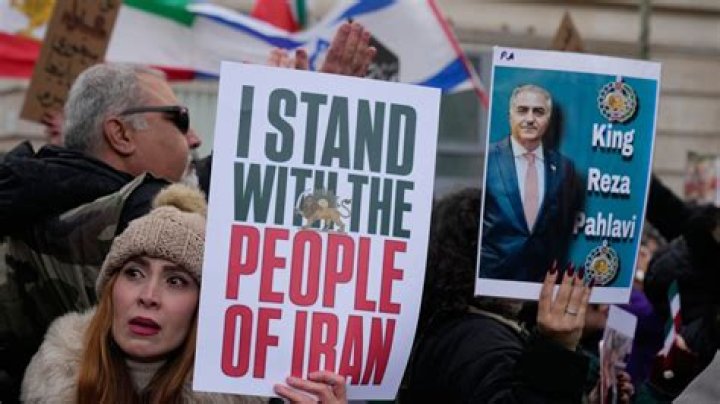
Iranian society is far more complex than headlines suggest. A young, educated population navigates restrictions while carving out spaces for expression and autonomy. Protests erupt periodically over economic hardships, political freedoms, or social restrictions. Government responses vary from concessions to crackdowns.
Women's rights remain a flashpoint. Mandatory hijab laws face quiet resistance in everyday life and periodic public challenges. Activists push boundaries despite risks. The government maintains its position while occasionally adjusting enforcement intensity based on broader political calculations.
Internet access creates particular tensions. Authorities want economic benefits of connectivity while fearing political consequences. Filtering systems block many foreign platforms. VPN usage is widespread despite being technically illegal. This cat-and-mouse game shapes how Iranians access information and connect with the outside world.
Arts and culture thrive in surprising ways. Iranian cinema wins international acclaim. Musicians push creative boundaries within and beyond official restrictions. Literature addresses contemporary issues through metaphor and historical allegory. These cultural productions reveal depths often missing from political reporting.
Energy Sector Developments
Despite sanctions, Iran possesses massive hydrocarbon reserves that ensure long-term relevance in global energy markets. Natural gas fields, particularly the massive South Pars field shared with Qatar, represent enormous potential wealth. The challenge lies in accessing technology and investment needed for optimal development.
Domestic energy consumption grows steadily, reducing export capacity. Subsidized prices encourage wasteful use. Aging infrastructure loses efficiency. The government faces difficult choices about pricing reforms that would hurt consumers but improve system sustainability.
Renewable energy development proceeds slowly. Solar and wind projects exist but remain modest relative to the country's size and sunlight abundance. Investment constraints and focus on traditional energy sources limit progress toward diversification.
Technology and Innovation Landscape
Iran's technology sector operates under unique constraints that breed creativity. Cut off from many global platforms and services, domestic alternatives have emerged. Iranian developers create apps, platforms, and services tailored to local needs and regulatory requirements.
Scientific research continues despite isolation. Iranian researchers publish in international journals. Universities produce engineering and science graduates in significant numbers. Brain drain remains a challenge as talented individuals seek opportunities abroad, though many maintain connections to Iranian institutions.
Cybersecurity capabilities have grown substantially. State-linked groups conduct sophisticated operations. This technical capacity serves both defensive and offensive purposes, complicating Iran's relationships with countries concerned about cyber threats.
Healthcare System Challenges
Iran's healthcare infrastructure faces mounting pressures. Sanctions complicate pharmaceutical imports and medical equipment purchases. Domestic production fills some gaps but cannot match the full range of specialized needs. Patients with serious conditions sometimes struggle to access cutting-edge treatments available elsewhere.
The COVID-19 pandemic tested system resilience severely. Iran experienced multiple waves with significant mortality. Vaccine development proceeded domestically while imported doses faced delays. The crisis revealed both system vulnerabilities and capacity for emergency mobilization.
Medical tourism represents an interesting niche. Iran attracts patients from neighboring countries seeking affordable, quality care for procedures from cosmetic surgery to cardiac interventions. This sector generates foreign exchange while showcasing medical capabilities.
Environmental Concerns
Water scarcity threatens Iran's long-term stability. Aquifers decline from overuse. Rivers dry up from damming and diversion. Lake Urmia, once the Middle East's largest saltwater lake, has lost most of its volume. Dust storms increase as wetlands disappear, affecting air quality and agriculture.
Climate change amplifies existing problems. Rising temperatures stress water supplies further. Precipitation patterns shift unpredictably. Agricultural communities face existential questions about whether traditional farming remains viable in ancestral regions.
Pollution chokes major cities regularly. Tehran often ranks among the world's most polluted capitals. Vehicle emissions, industrial activity, and geographic factors combine to create hazardous conditions. Periodic school closures and health warnings reflect the severity of air quality problems.
Looking Ahead
Iran stands at a crossroads shaped by internal pressures and external constraints. The choices made in Tehran, Washington, European capitals, and regional powers will determine whether the coming period brings confrontation or accommodation. Economic sustainability depends partly on sanctions relief but also on domestic reforms many find politically difficult.
Generational change will reshape Iranian society regardless of political system rigidity. Young people with different expectations and global connections will eventually assume leadership roles. How quickly and completely this transition occurs depends on factors both predictable and surprising.
Regional dynamics remain fluid. Conflicts in Yemen, Syria, and Iraq could escalate or wind down. Relations with Arab neighbors might improve or deteriorate. Israel's calculations about Iranian nuclear progress could trigger military action or accept containment strategies. Each scenario carries distinct implications for stability.
Iran news will continue dominating headlines because developments there affect oil markets, regional security, nuclear proliferation risks, and humanitarian concerns. Understanding this complex country requires looking beyond simplistic narratives to appreciate how history, geography, religion, politics, and economics interweave in ways that defy easy categorization. What happens next in Iran matters far beyond its borders, making sustained attention essential for anyone engaged with global affairs.
