Is Your Smile Stitched? Understanding the Viral Template Trend
 Jessica Young
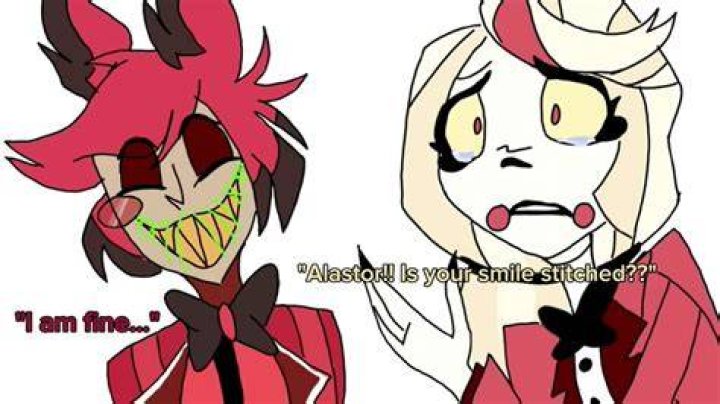
A peculiar question has been making rounds across social media platforms, leaving many users puzzled and intrigued: "Is your smile stitched?" This cryptic phrase isn't about dental work or surgical procedures. Instead, it's become a viral template that's sparked countless creative responses, memes, and artistic interpretations across TikTok, Instagram, and other platforms. The phrase taps into something deeper than its literal meaning, resonating with users who recognize the metaphor of a forced or artificial smile.
The template has evolved into a cultural phenomenon that blends dark humor, vulnerability, and artistic expression. People are using it to explore themes of authenticity, mental health, and the masks we wear in daily life. What started as a simple question has transformed into a creative outlet where users share their experiences with pretending to be okay when they're not.
Origins of the Stitched Smile Template
The "Is Your Smile Stitched?" template draws inspiration from multiple sources in popular culture. The imagery of a stitched or sewn smile appears in horror media, gothic art, and characters like the Joker or Sally from "The Nightmare Before Christmas." These cultural touchstones have influenced how creators interpret and visualize the template.
While pinpointing the exact origin proves difficult due to the organic nature of viral trends, the template gained significant traction in late 2023 and early 2024. Artists and content creators began using the phrase as a prompt for makeup tutorials, digital art, creative writing, and personal storytelling. The ambiguity of the question allows for endless interpretation, which partially explains its staying power.
Some versions feature haunting visuals of characters with literal stitches holding their mouths in permanent grins. Others take a more abstract approach, using the concept metaphorically to discuss emotional suppression and the pressure to maintain appearances. The template's flexibility has been key to its widespread adoption across different creative communities.
How the Template Works
The basic structure is straightforward. A creator poses the question "Is your smile stitched?" and then provides their interpretation through their chosen medium. This could be makeup artistry showing a literal stitched smile, a drawing depicting the concept, a personal story about masking emotions, or even a dance routine that conveys the theme physically.
TikTok users often pair the template with specific audio tracks that enhance the eerie or melancholic atmosphere. Instagram artists might create carousel posts showing the transformation from a "normal" smile to a stitched one. The template encourages both literal and figurative responses, making it accessible to creators with different skill sets and interests.
What makes this template particularly engaging is its duality. On the surface, it's visually striking and perfect for horror or alternative aesthetics. Deeper down, it serves as commentary on mental health, societal expectations, and the exhaustion that comes from constant performance of happiness. This layered meaning gives the content emotional weight beyond simple shock value.
Psychology Behind the Trend
The stitched smile metaphor resonates because it visually represents a common human experience: faking happiness. Many people maintain pleasant expressions while struggling internally, a phenomenon psychologists call "masking" or "impression management." The image of a smile held in place by stitches powerfully captures the pain and effort involved in this emotional labor.
Social media creates pressure to present curated, positive versions of ourselves. The constant demand to appear happy, successful, and put-together can be exhausting. This template offers users a way to acknowledge that struggle while remaining within the creative, shareable format that platforms reward. It's therapeutic expression disguised as trend participation.
Mental health professionals have noted that creative expression through trends like this can be beneficial. It normalizes discussions about emotional authenticity and creates community among people with similar experiences. When someone shares their "stitched smile" content and receives validation through comments and engagement, it can reduce feelings of isolation.
The gothic and horror aesthetics associated with the template also provide emotional distance. By framing serious topics through artistic or spooky imagery, creators can explore difficult feelings in a way that feels safer than direct confession. This indirect approach to vulnerability has become increasingly common in digital spaces.
Creative Applications and Variations
Makeup artists have embraced the template enthusiastically, creating tutorials that range from subtle to extreme. Some use liquid latex and thread to create realistic-looking stitches around the mouth. Others employ face paint to draw the illusion of sewn lips. These tutorials often go viral, accumulating millions of views as users attempt to recreate the looks.
Digital artists and illustrators have produced haunting pieces depicting characters with stitched smiles. These artworks often feature detailed shading, dramatic lighting, and expressive eyes that contrast with the forced smile. Many artists add their personal interpretation, incorporating elements from their own artistic style or cultural background.
Writers and poets have used the template as a prompt for short stories, poems, and creative non-fiction pieces. These written responses explore the metaphor through narrative, describing characters who literally or figuratively have stitched smiles. The literary interpretations often delve deeper into the psychological aspects, examining why someone might need to stitch their smile in place.
Musicians and sound designers have created audio specifically for this template. Eerie melodies, distorted vocals, and unsettling sound effects accompany many videos using the trend. Some songs incorporate the phrase "Is your smile stitched?" into their lyrics, cementing the template's place in the broader creative ecosystem of social media.
Cultural Impact and Reception
The reception to the stitched smile template has been largely positive within creative communities. Users appreciate its artistic potential and the emotional honesty it encourages. Many comment sections are filled with people sharing their own experiences with forced happiness and thanking creators for making content that feels relatable.
However, some critics argue that the trend glamorizes or trivializes mental health struggles. They worry that presenting serious emotional issues through aesthetic filters might discourage people from seeking proper help. Others note that horror-themed mental health content can be triggering for some users, especially those with certain phobias or trauma histories.
Despite these concerns, the template has inspired meaningful conversations. Mental health advocates have used the trend as a jumping-off point to discuss resources, coping strategies, and the importance of authentic emotional expression. Several therapists and counselors have created response content explaining the psychology behind masking and offering advice for those who relate to the stitched smile metaphor.
The template has also crossed cultural boundaries, with creators from various countries adapting it to their local contexts. Different cultures have different expectations around emotional expression and public persona, which adds interesting dimensions to how the template gets interpreted globally. Japanese creators might connect it to concepts like "honne and tatemae," while Western creators might discuss "toxic positivity."
Creating Your Own Stitched Smile Content
If you want to participate in this trend, start by deciding which medium suits your skills and message. Artists might sketch or digitally paint their interpretation. Those comfortable with makeup can create the look using cosmetics they already own—you don't need professional special effects supplies for a basic version.
Consider what story you want to tell. Is this purely aesthetic for you, or do you want to share something personal? Both approaches are valid. Some of the most impactful content comes from creators who balance visual appeal with genuine vulnerability, but purely artistic interpretations also have value and receive appreciation.
Pay attention to lighting and framing if you're creating video or photo content. The stitched smile effect works best with clear visibility of the face, particularly the mouth area. Experiment with angles that feel dramatic without obscuring the details of your creation. Many successful posts use close-up shots that emphasize the stitched element.
When writing captions, you can explain your interpretation or leave it open to audience interpretation. Some creators write lengthy captions discussing their mental health journey, while others simply post the question with no additional context. There's no wrong approach—choose what feels authentic to you and appropriate for your audience.
The Template's Connection to Broader Trends
The stitched smile template doesn't exist in isolation. It's part of a larger movement toward authentic, sometimes dark, content on social media. Users are increasingly tired of the relentless positivity and perfection that dominated platforms in previous years. Trends that acknowledge struggle, imperfection, and difficult emotions are gaining traction.
This shift reflects changing attitudes toward mental health and emotional honesty, particularly among younger generations. Gen Z and younger Millennials are more willing to discuss anxiety, depression, and the pressure to perform happiness than previous generations were at their age. Social media, despite its role in creating some of these pressures, has also become a space for this candid discussion.
The aesthetic elements—gothic, horror, dark art—also tie into ongoing interest in alternative fashion and subcultures. Platforms like TikTok have helped niche aesthetic communities grow and interact. The stitched smile template appeals to users interested in goth, emo, horror, and other alternative styles while remaining accessible to mainstream audiences through its metaphorical meaning.
Frequently Asked Questions
What does "is your smile stitched" actually mean?
The phrase asks whether your smile is genuine or forced, using the metaphor of stitches to represent holding a smile in place artificially. It questions whether you're truly happy or just performing happiness for others. The template allows people to explore this concept through various creative mediums, from makeup and art to personal storytelling.
Where did the stitched smile template originate?
The exact origin is difficult to pinpoint, as it emerged organically across social media platforms. The concept draws from horror imagery and gothic aesthetics that have long featured stitched or sewn smiles. It gained viral momentum in 2023-2024 as creators on TikTok and Instagram began using it as a creative prompt for makeup, art, and personal expression.
Is the stitched smile trend harmful or helpful for mental health discussions?
This depends on how it's approached. Many find the template helpful as a creative outlet for expressing feelings about masking emotions and performing happiness. It can reduce isolation by normalizing these experiences. However, some mental health professionals caution that aesthetic presentation of serious issues might trivialize them or substitute for proper mental health support. The trend works best when creators and viewers understand it as artistic expression rather than a replacement for therapy or professional help.
How can I participate in the stitched smile template trend?
Choose a medium that suits your skills—makeup, digital art, photography, writing, or video creation. Interpret the question "Is your smile stitched?" in a way that feels meaningful to you, whether literal, metaphorical, or purely aesthetic. Share your creation on your preferred platform with relevant hashtags. You can include personal context in your caption or let the visual speak for itself. Remember that both deeply personal and purely artistic interpretations are equally valid forms of participation.
Final Thoughts
The "Is Your Smile Stitched?" template represents something more significant than a passing social media trend. It's a creative lens through which people examine authenticity, emotional labor, and the gap between internal experience and external presentation. Whether you encounter it as striking makeup artistry, haunting digital paintings, or personal storytelling, the template invites reflection on the smiles we wear and the effort they sometimes require.
As with any viral trend, its prominence will eventually fade. But the conversations it sparked about mental health, authenticity, and creative expression will likely have lasting impact. The template has given countless people a framework to share experiences they might have otherwise kept hidden. That alone makes it a noteworthy phenomenon in the ever-changing landscape of social media culture.
If you're considering engaging with this template, approach it with intention. Think about what you want to express and how your interpretation might resonate with others. The most powerful stitched smile content comes from creators who understand both the aesthetic appeal and the deeper meaning, balancing visual impact with emotional truth. Your smile might not be literally stitched, but if you've ever felt the strain of holding one in place, this template might just speak to you.