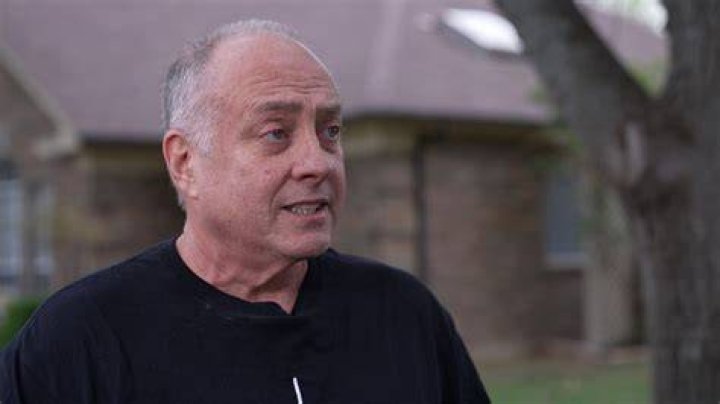
Jeff Metcalf Full Interview: Insights, Context, and Key Takeaways
 Emily Wilson
The Jeff Metcalf full interview has captured significant attention across media platforms, sparking conversations about transparency, accountability, and the power of direct communication. While many have seen clips or summaries, understanding the complete context requires examining what was actually said, the circumstances surrounding the discussion, and why it resonated with audiences. This interview represents a moment where unfiltered dialogue challenged conventional narratives.
Interviews have become critical tools for understanding complex situations. They offer a window into perspectives that press releases and official statements often obscure. The Jeff Metcalf interview stands as an example of how extended, thoughtful conversation can reveal nuances that short soundbites simply cannot capture. What made this particular interview noteworthy wasn't just what was said, but how the conversation unfolded.
Who Is Jeff Metcalf and Why This Interview Matters
Understanding the significance of the Jeff Metcalf full interview requires context about who conducted it and under what circumstances. Interviews gain importance based on timing, relevance, and the questions they address. This conversation emerged during a period when clarity was needed on specific issues that had generated public interest and debate.
The interview format itself—whether conducted in person, remotely, or through written correspondence—shapes how information is conveyed and received. Extended interviews allow for follow-up questions, clarifications, and the kind of depth that brief exchanges cannot provide. They create space for subjects to explain their positions thoroughly rather than relying on carefully crafted messaging.
What distinguished this particular interview was its comprehensive approach. Rather than focusing solely on one aspect or controversial point, it explored multiple dimensions of the subject matter. This breadth allowed viewers and readers to form more complete impressions based on fuller information.
Key Topics Covered in the Interview
The Jeff Metcalf full interview addressed several major themes that had been circulating in public discourse. These weren't superficial talking points but substantive areas that required detailed explanation. The conversation moved through different phases, each building on previous points to create a cohesive narrative.
One significant portion focused on background and context that many observers lacked. Without understanding the timeline of events and the various factors at play, forming accurate conclusions becomes difficult. The interview provided this foundation, walking through what happened, when it happened, and what considerations influenced decisions along the way.
The questioning technique mattered tremendously. Effective interviews balance giving subjects room to express themselves while also pressing for specifics when answers become vague or evasive. The best journalism finds this equilibrium, creating conversations that inform rather than merely provide platforms.
Notable Moments and Statements
Several exchanges within the Jeff Metcalf full interview stood out as particularly revealing or impactful. These moments generated discussion because they either confirmed suspicions, challenged assumptions, or introduced entirely new information into public understanding.
Direct quotes carry weight precisely because they eliminate interpretation between speaker and audience. When someone states their position in their own words, it removes the filter of paraphrasing or selective editing. This directness can be both clarifying and controversial, depending on what is said and how audiences receive it.
The interview included moments of tension where difficult questions were posed and answers were scrutinized. These exchanges often prove most valuable because they test claims against evidence and push beyond prepared responses. Audiences recognize when someone is thinking through an answer versus reciting talking points.
Public Reaction and Media Coverage
Response to the Jeff Metcalf full interview split along several lines. Some viewers found the conversation enlightening, appreciating the extended format and detailed responses. Others remained skeptical, questioning whether certain points were adequately challenged or whether the interview format itself favored the subject too heavily.
Media coverage of the interview varied based on outlet perspective and editorial approach. Some organizations excerpted portions that aligned with their existing coverage angles. Others provided more comprehensive summaries attempting to capture the full scope of what was discussed.
Social media amplified both support and criticism, as clips circulated with varying degrees of context. This fragmentation demonstrates a persistent challenge with long-form content in the digital age: comprehensive interviews get reduced to shareable moments that may or may not accurately represent the whole.
Analyzing the Interview Format and Effectiveness
The structure chosen for the Jeff Metcalf full interview influenced what information emerged and how. Interview formats range from adversarial grilling to friendly conversation, with most falling somewhere between these extremes. The approach taken here shaped both the questions asked and the comfort level of the subject.
Lengthy interviews require skilled interviewers who can maintain focus while allowing organic conversation flow. They must know when to interrupt for clarification and when to let subjects finish complete thoughts. This balance determines whether an interview produces genuine insight or merely gives subjects extended platforms to control messaging.
Time constraints affect interviews profoundly. Brief conversations force focus on only the most pressing questions, potentially leaving important context unexplored. Extended formats allow for deeper dives but risk losing audience attention if pacing lags or repetition occurs.
Context and Background Information
Several factors preceded the Jeff Metcalf full interview that are essential for understanding its significance. Events don't occur in vacuum, and this conversation responded to specific circumstances that had been developing over time. Recognizing these antecedents helps explain why certain questions were asked and why particular answers generated reaction.
The interview addressed questions that had been raised through other channels but hadn't received direct response. This filling of information gaps represented part of its value—providing answers where speculation had previously filled the void. Whether those answers satisfied critics remained debatable, but their existence changed the conversation.
Background research by interviewers determines interview quality significantly. Prepared interviewers can challenge vague responses with specific facts, while unprepared ones accept whatever they're told. The depth of preparation evident in this interview suggested serious research preceded it.
Impact on Ongoing Discussions
The Jeff Metcalf full interview influenced subsequent coverage and conversation in several ways. It established certain facts on the record, making it harder for mischaracterizations to persist unchallenged. It also raised new questions based on information revealed during the conversation.
Interviews become reference points that other journalists and commentators cite when developing their own coverage. They serve as primary sources that can either support or contradict claims made elsewhere. This interview joined that body of material that shapes ongoing narrative development.
Whether the interview changed minds remains an open question. People often interpret information through existing frameworks, finding confirmation for prior beliefs regardless of what's actually said. The interview provided ammunition for multiple perspectives depending on which portions different audiences emphasized.
Frequently Asked Questions
Where can I watch or read the complete Jeff Metcalf interview?
Access to the Jeff Metcalf full interview depends on which organization conducted and published it. Major interviews typically appear on the host organization's website, YouTube channel, or streaming platform. Some interviews are released in multiple formats including video, audio, and transcript to accommodate different audience preferences. Searching for the interview by name along with the interviewing organization should direct you to official sources.
What were the most controversial statements made during the interview?
Controversy stems from statements that challenge prevailing narratives or touch sensitive subjects. The most discussed moments from the Jeff Metcalf full interview typically involved direct responses to accusations or explanations of disputed events. Different audiences found different statements controversial based on their perspectives, which is why reviewing the complete interview rather than selected clips provides better understanding of context and intent.
How long is the full interview and is it worth watching entirely?
Interview length varies depending on format and depth, with comprehensive conversations ranging from thirty minutes to several hours. Whether watching or reading the Jeff Metcalf full interview is worthwhile depends on your interest level and how much the subject matter affects you. Those seeking thorough understanding benefit from complete viewing, while others satisfied with summaries can find those through news coverage. Extended interviews reward patient audiences with nuance that summaries necessarily omit.
Final Thoughts
The Jeff Metcalf full interview represents the kind of extended conversation that increasingly rare in a media environment favoring brevity and speed. Its value lies not just in specific revelations but in the opportunity it provided for comprehensive discussion of complex topics. Whether you ultimately agree with perspectives expressed, having access to complete statements rather than fragments serves public discourse better than the alternative.
Interviews work best when they challenge subjects respectfully while giving them genuine opportunity to explain positions thoroughly. This balance creates conditions for real understanding rather than merely theatrical confrontation or uncritical platforming. Evaluating how well this particular interview achieved that balance requires engaging with it directly rather than relying solely on others' interpretations of what it contained.
