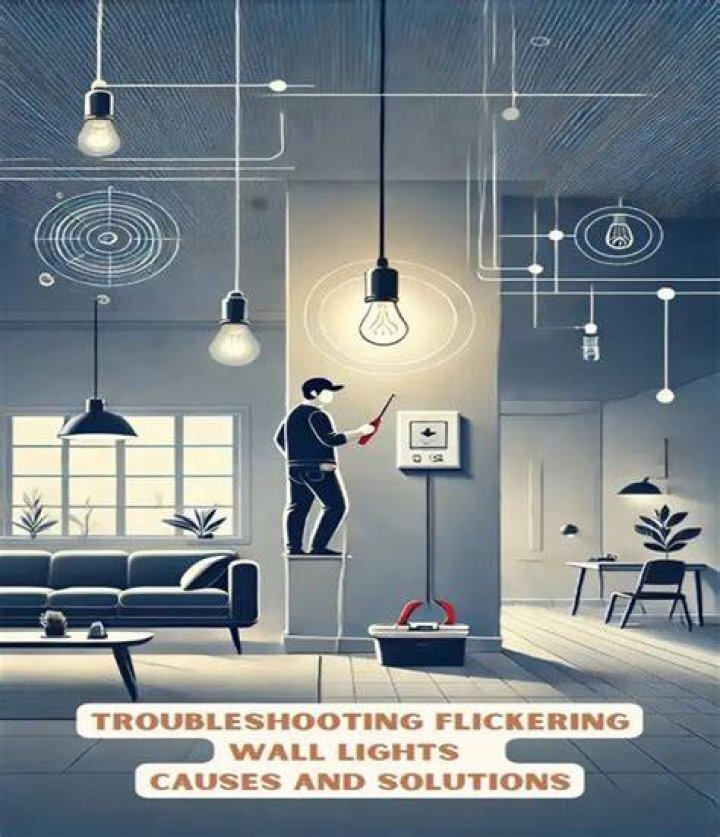
Lights Flickering in Animal Hospital: Causes, Risks, and Solutions
 John Shaw
When lights flicker in an animal hospital, the issue extends far beyond minor annoyance. Veterinary facilities depend on consistent, reliable electrical systems to deliver critical care, maintain medical equipment, and ensure the safety of both animals and staff. A flickering light might seem trivial at first glance, but it often signals underlying electrical problems that could compromise surgical procedures, diagnostic imaging, or even life-support systems for critically ill patients.
Animal hospitals face unique electrical demands that most commercial buildings don't encounter. Between X-ray machines, anesthesia monitors, surgical lighting, temperature-controlled recovery areas, and 24-hour operation requirements, these facilities push their electrical infrastructure hard. When lights start flickering, veterinary professionals need to act quickly to identify the root cause and prevent potential disasters that could endanger vulnerable patients under their care.
Common Electrical Causes Behind Flickering Lights
The reasons for lights flickering in animal hospitals range from simple fixes to complex electrical failures requiring immediate professional intervention. Understanding these causes helps facility managers prioritize responses and budget for necessary repairs.
Loose electrical connections rank among the most frequent culprits. Over time, wires can work themselves free from terminals, especially in older buildings or facilities that have undergone multiple renovations. When connections loosen, electrical resistance increases, causing intermittent power delivery that manifests as flickering lights. This problem becomes particularly dangerous in veterinary settings where loose connections can generate heat and potentially spark fires near oxygen-rich surgical suites.
Voltage fluctuations present another common issue. Animal hospitals often operate large medical equipment that draws substantial power when activated. An X-ray machine cycling on, for instance, can temporarily pull voltage away from lighting circuits, causing momentary dimming or flickering. While brief voltage drops might be normal, persistent fluctuations indicate undersized electrical panels or circuits operating beyond their designed capacity.
Aging infrastructure plagues many veterinary facilities, particularly those operating in converted residential or commercial spaces. Outdated wiring systems never designed for modern medical equipment loads struggle to meet current demands. Aluminum wiring, common in buildings constructed during the 1960s and 1970s, expands and contracts with temperature changes, gradually loosening connections and creating intermittent contact that causes flickering.
How Electrical Issues Impact Veterinary Operations
The consequences of flickering lights in animal hospitals extend well beyond the electrical system itself. Surgical teams performing delicate procedures require steady, bright illumination. Even momentary dimming during a critical surgical moment could result in errors, extended procedure times, or compromised patient outcomes.
Diagnostic equipment sensitivity creates another layer of concern. Digital radiography systems, ultrasound machines, and laboratory analyzers all require clean, stable power. Electrical disturbances that cause lights to flicker can also introduce noise into these sensitive systems, producing artifacts in imaging studies or causing erroneous laboratory results. When a veterinarian can't trust their diagnostic tools, they can't make confident treatment decisions.
Animal behavior responds to environmental instability in ways that complicate veterinary care. Dogs and cats already stressed by illness and unfamiliar surroundings become more anxious when lights flicker unpredictably. This heightened anxiety makes physical examinations more difficult, increases the risks during handling, and can even affect vital signs, potentially masking or mimicking symptoms of serious conditions.
Staff morale and efficiency suffer in facilities with persistent electrical problems. Veterinary technicians and doctors working long shifts in buildings with unreliable lighting experience increased eye strain, headaches, and fatigue. These physical symptoms reduce productivity and contribute to errors that could affect patient care quality.
Critical Safety Concerns in Veterinary Facilities
Fire hazards represent the most severe risk associated with flickering lights in animal hospitals. Faulty wiring generates heat, and in buildings housing flammable materials like anesthetic gases, paper records, and medical supplies, even small electrical problems can escalate into catastrophic fires. Veterinary facilities typically house patients who cannot evacuate themselves, making fire prevention absolutely essential.
Power surges accompanying flickering lights can damage expensive medical equipment worth hundreds of thousands of dollars. A sudden voltage spike might destroy circuit boards in anesthesia machines, rendering them unusable during emergencies. Replacing this specialized equipment often involves long lead times, potentially forcing hospitals to refuse certain cases or refer patients elsewhere.
Data loss poses another significant risk in modern veterinary practices. Electronic medical records systems, diagnostic imaging archives, and practice management software all depend on stable power. Electrical disturbances can corrupt databases, erase patient histories, and disrupt appointment scheduling, creating operational chaos that affects dozens or hundreds of pet owners.
Professional Diagnosis and Repair Approaches
Addressing lights flickering in animal hospitals requires systematic investigation by licensed electricians familiar with medical facility requirements. These professionals use specialized tools to measure voltage stability, check for loose connections, and assess overall system capacity against current and projected loads.
Thermal imaging cameras help identify hot spots in electrical panels and junction boxes where connections have loosened or components are failing. This non-invasive diagnostic approach allows electricians to pinpoint problems without shutting down entire circuits or disrupting patient care areas unnecessarily.
Load testing determines whether existing electrical infrastructure can handle the demands placed on it. Many animal hospitals gradually accumulate equipment over years without reassessing their electrical capacity. A comprehensive load analysis reveals whether the facility needs panel upgrades, additional circuits, or dedicated lines for high-draw equipment.
Circuit mapping proves invaluable in older buildings where documentation doesn't match reality. Electricians trace every wire to understand how circuits are configured, identifying shared neutral wires, overloaded circuits, and other code violations that contribute to flickering lights and safety hazards.
Preventive Measures and Long-Term Solutions
Installing dedicated circuits for major equipment prevents voltage fluctuations that cause lights to flicker when machines activate. X-ray systems, dental equipment, and laboratory analyzers should each have their own properly sized circuits, isolating their power demands from general lighting and outlets.
Surge protection systems safeguard both lighting circuits and sensitive medical equipment from voltage spikes originating either within the building or from the utility grid. Whole-facility surge suppressors installed at the main electrical panel provide the first line of defense, while point-of-use protectors offer additional insurance for particularly valuable or critical equipment.
Regular electrical system inspections catch problems before they cause flickering lights or more serious failures. Annual reviews by qualified electricians identify loose connections, measure insulation resistance, and verify that safety systems like ground fault circuit interrupters function properly. These preventive check-ups cost far less than emergency repairs or equipment replacement after failures.
Upgrading to LED lighting technology reduces electrical loads and improves reliability compared to older fluorescent or incandescent systems. LEDs draw less current, generate less heat, and tolerate minor voltage fluctuations better than traditional light sources. Many veterinary hospitals discover that converting to LED lighting eliminates flickering problems while simultaneously reducing energy costs.
When to Call an Emergency Electrician
Certain warning signs demand immediate professional attention rather than waiting for scheduled maintenance. If lights flicker and you smell burning plastic or see smoke, evacuate the affected area and call emergency services immediately. The combination of flickering and burning odors typically indicates active electrical fires within walls or ceilings.
Flickering accompanied by buzzing sounds from outlets, switches, or electrical panels suggests arcing connections that could ignite at any moment. These situations require immediate power shutoff to the affected circuit and emergency electrical service to prevent fires.
When multiple circuits flicker simultaneously, particularly if the pattern occurs building-wide, the problem likely originates at the main electrical service or utility connection. These issues exceed the scope of simple repairs and need urgent attention from both electricians and the power company to prevent complete power failures during critical patient care moments.
Frequently Asked Questions
Can flickering lights affect medical equipment in veterinary hospitals?
Yes, flickering lights often indicate electrical instability that can damage sensitive medical equipment or cause it to malfunction. Diagnostic machines, anesthesia monitors, and digital imaging systems all require clean, stable power to function correctly. The same electrical problems causing lights to flicker can introduce power quality issues that corrupt data, produce false readings, or permanently damage equipment circuitry. This makes addressing flickering lights not just a comfort issue but a medical necessity in veterinary facilities.
How much does it cost to fix flickering light problems in an animal hospital?
Repair costs vary dramatically depending on the underlying cause. Simple fixes like tightening loose connections or replacing worn light switches might cost $200 to $500. Moderate problems requiring new circuit breakers or rewiring specific areas typically range from $1,000 to $5,000. Major issues involving electrical panel upgrades, service entrance replacement, or whole-building rewiring can exceed $20,000 to $50,000 or more. Most veterinary facilities benefit from comprehensive electrical assessments that identify problems before they require expensive emergency repairs.
Are there specific electrical codes for animal hospitals?
Veterinary facilities must comply with the National Electrical Code (NEC), which includes special requirements for healthcare facilities and areas where flammable anesthetics are used. Many jurisdictions classify animal hospitals as healthcare occupancies requiring emergency power systems, hospital-grade receptacles in critical care areas, and isolated ground circuits for sensitive medical equipment. Local building codes often impose additional requirements. Working with electricians experienced in medical facility electrical systems ensures compliance with all applicable codes and standards.
Moving Forward With Confidence
Lights flickering in animal hospitals signal problems that veterinary facility managers cannot afford to ignore. The unique combination of sensitive medical equipment, vulnerable patients, and round-the-clock operations makes electrical reliability non-negotiable in these settings. While the initial investment in proper electrical assessment and repairs might seem substantial, it pales in comparison to the costs of damaged equipment, compromised patient care, or catastrophic electrical fires.
Veterinary professionals should view their electrical infrastructure as critical as their medical equipment. Both require regular maintenance, prompt attention to problems, and periodic upgrades to meet evolving demands. By partnering with qualified electrical contractors who understand medical facility requirements, animal hospitals can maintain safe, reliable environments where the only thing staff needs to worry about is providing excellent care to their four-legged patients.
