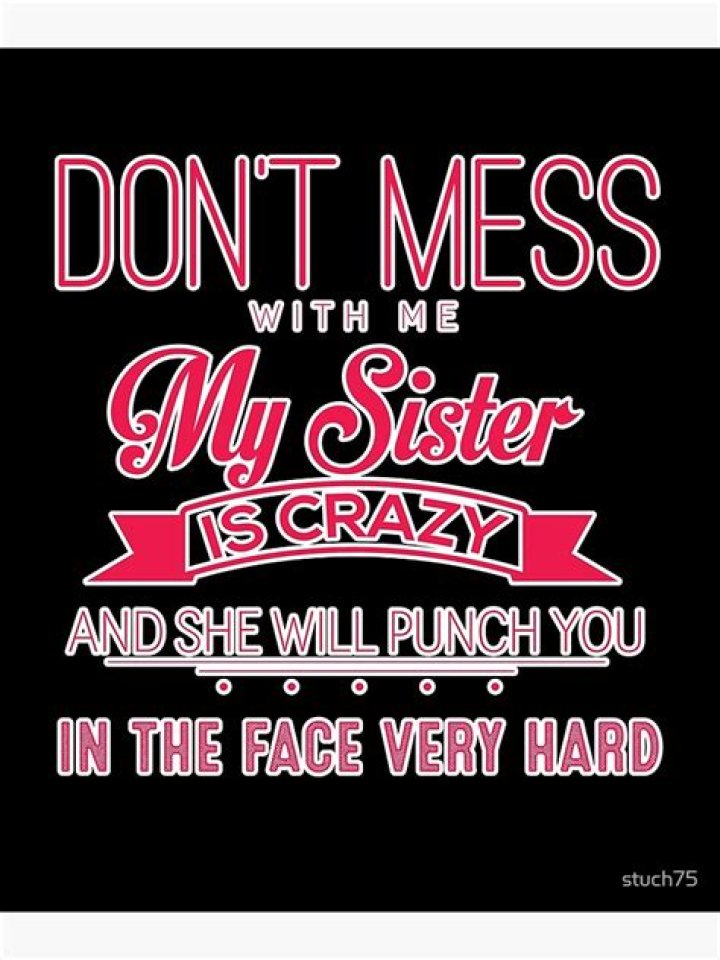
Please Don't Mess With My Sis: Understanding Sibling Protection Culture
 Andrew Campbell
The phrase "please don't mess with my sis" has become more than just a warning between siblings. It represents a cultural touchstone that speaks to protective instincts, family loyalty, and the complex relationships that define sibling bonds. Whether expressed as a lighthearted joke, a serious warning, or a viral social media trend, this sentiment reveals something fundamental about how we view family protection in contemporary society.
From playground confrontations to college campuses and workplace dynamics, the protective stance toward sisters has evolved into a recognizable social phenomenon. This expression crosses geographic boundaries and cultural lines, manifesting in music lyrics, memes, trending hashtags, and real-world interactions. Understanding why this particular phrase resonates so strongly requires examining the psychology of sibling relationships, gender dynamics, and shifting social norms around family protection.
The Psychology Behind Sibling Protection
Sibling relationships represent one of the longest-lasting bonds most people experience. Brothers and sisters who grow up together develop complex emotional connections that blend rivalry, companionship, and fierce loyalty. Research in developmental psychology shows that protective instincts between siblings often emerge early in childhood and strengthen over time.
Dr. Laurie Kramer, a professor of applied family studies, notes that sibling protection serves multiple psychological functions. It reinforces family identity, establishes social hierarchies within peer groups, and provides individuals with a sense of purpose and responsibility. When someone says "please don't mess with my sis," they're activating deeply rooted protective mechanisms that may have developed years earlier.
The gender-specific nature of this phrase also deserves attention. While siblings of all genders protect each other, the particular focus on sisters reflects ongoing societal conversations about women's safety, vulnerability, and the role of male family members in providing protection. This dynamic exists within a larger cultural context where protective behavior can be both supportive and potentially limiting.
Cultural Expressions and Social Media Trends
Social media has amplified the "don't mess with my sis" sentiment into a recognizable internet culture phenomenon. Platforms like TikTok, Instagram, and Twitter feature countless posts where siblings playfully warn potential romantic interests, share protective stories, or create humorous content around this theme.
Music has played a significant role in popularizing this phrase. Several artists have incorporated similar protective sentiments into their lyrics, creating anthems that celebrate sibling bonds. These songs often go viral, spawning challenges, dance trends, and user-generated content that spreads the message further.
Meme culture has embraced this concept enthusiastically. Image macros, video clips, and GIFs depicting protective siblings circulate widely, often exaggerating the sentiment for comedic effect. A brother might post a photo flexing muscles with a caption warning others about his sister, while sisters create their own versions celebrating mutual protection.
Real-World Implications and Boundaries
While the sentiment behind "please don't mess with my sis" often comes from a place of love, it raises important questions about autonomy, agency, and healthy family dynamics. Sisters are individuals with their own ability to navigate relationships and handle conflicts. Excessive protective behavior can inadvertently communicate that sisters need constant supervision or cannot make their own decisions.
Family therapists emphasize the importance of balancing protective instincts with respect for independence. Being supportive doesn't require being overbearing. Healthy sibling relationships involve open communication, mutual respect, and trust that each person can manage their own life while knowing support is available when needed.
Some critics argue that overly protective behavior toward sisters perpetuates outdated gender stereotypes. The assumption that sisters particularly need protection can reinforce ideas about female weakness or vulnerability. Modern interpretations of sibling protection increasingly emphasize mutual support rather than one-directional guardianship.
When Protection Becomes Harmful
Not all expressions of "don't mess with my sis" come from healthy places. In some cases, this protective stance masks controlling behavior, possessiveness, or difficulty accepting that siblings are growing up and forming independent relationships. Warning signs include:
- Attempting to control who a sister spends time with or dates
- Interfering in relationships without being asked for help
- Using protection as an excuse to invade privacy
- Responding with aggression or threats rather than constructive support
- Refusing to respect a sister's expressed wishes about involvement in her life
Healthy protection respects boundaries. It means being available when needed, offering advice when asked, and stepping in during genuine emergencies. It doesn't mean dictating life choices or treating an adult sister like she requires constant supervision.
Positive Aspects of Sibling Loyalty
When expressed appropriately, the "please don't mess with my sis" mentality reflects beautiful aspects of human connection. Having someone in your corner who will defend you, support you, and stand up for you provides psychological security that contributes to wellbeing throughout life.
Studies show that strong sibling relationships correlate with better mental health outcomes, increased resilience during difficult times, and enhanced social skills. Knowing that someone has your back unconditionally creates a foundation of security that allows individuals to take risks, pursue opportunities, and recover from setbacks.
Protective siblings often serve as important reality checks. They know your history, understand your patterns, and can offer perspectives that friends or romantic partners cannot. A brother who genuinely looks out for his sister might notice warning signs in a relationship that she's too close to see, or provide honest feedback that helps her make better decisions.
Cross-Cultural Perspectives
The concept of sibling protection exists across virtually all cultures, though its expression varies significantly. In collectivist societies, family protection is often more explicit and formalized. Extended family networks play active roles in monitoring relationships and ensuring members' safety.
In individualistic cultures, sibling protection tends to be more subtle and voluntary rather than expected. The phrase "please don't mess with my sis" might be spoken half-jokingly in Western contexts, while similar sentiments in other cultures carry more serious weight and social obligation.
Immigration and cultural mixing have created interesting hybrid expressions of sibling protection. Second-generation immigrants often navigate between the stronger protective traditions of their heritage culture and the more independent norms of their current country, creating unique approaches to sibling relationships.
Evolution of Gender Dynamics
Contemporary conversations about gender equality have influenced how people interpret protective sibling relationships. Younger generations increasingly reject the notion that sisters specifically need more protection than brothers, instead embracing mutual support regardless of gender.
Many sisters now assert their own protective instincts, creating content and expressing sentiments like "don't mess with my brother" or "mess with my sibling and you mess with me." This shift represents growing recognition that vulnerability and the need for support aren't gendered characteristics.
The phrase still resonates, but its meaning is evolving. What once might have implied that sisters need defending because they're weak now often expresses solidarity, loyalty, and the universal human desire to protect people we love from harm.
Frequently Asked Questions
Is it normal for siblings to be protective of each other?
Yes, protective feelings between siblings are completely normal and generally healthy. These instincts develop naturally during childhood and often strengthen over time. Research shows that sibling bonds typically rank among the most important relationships people maintain throughout their lives. The key is ensuring protective behavior respects boundaries and doesn't cross into controlling territory.
Why do people specifically say "don't mess with my sis" instead of just sibling?
This gender-specific phrasing reflects cultural attitudes about women's safety and vulnerability. While these attitudes are evolving, historical contexts where women faced particular threats have influenced how protective language developed. Many people now use similar phrases for siblings of any gender, recognizing that protection shouldn't be based on outdated stereotypes about who needs defending.
Can being too protective of a sister damage your relationship?
Absolutely. Excessive protectiveness can communicate a lack of trust in your sister's judgment and decision-making abilities. It may strain relationships, create resentment, and prevent healthy independence. Family therapists recommend expressing care and availability while respecting autonomy. The best approach involves being supportive without being controlling, and intervening only when genuinely necessary or explicitly asked.
Final Thoughts
The phrase "please don't mess with my sis" captures something essential about human relationships. At its best, it represents unconditional love, loyalty, and the beautiful instinct to protect people who matter to us. At its worst, it can mask controlling behavior and outdated assumptions about gender and autonomy.
As society continues evolving, so does our understanding of what healthy protection looks like. The core sentiment—that family members look out for each other—remains valuable. The challenge lies in expressing that sentiment in ways that respect independence, acknowledge everyone's capacity for self-determination, and recognize that true protection means supporting people in becoming their strongest selves.
Sibling relationships will always involve some element of looking out for each other. The question isn't whether to protect your sister, but how to do so in ways that strengthen rather than limit her. When that balance is right, the bond between siblings becomes one of life's greatest sources of strength, comfort, and joy.
