Red Sox: Complete Guide to Boston's Iconic Baseball Team
 Sophia Vance
 The Boston Red Sox stand as one of baseball's most storied franchises, commanding loyalty from generations of fans across New England and beyond. Founded in 1901, this American League powerhouse has shaped baseball history through legendary players, heartbreaking defeats, and triumphant championships that have defined entire eras of the sport.
Playing their home games at Fenway Park—the oldest ballpark in Major League Baseball—the Red Sox represent far more than a baseball team. They're woven into Boston's cultural fabric, a symbol of resilience that mirrors the city's own character. From the shadows of the Curse of the Bambino to modern dynasty status, their journey captivates millions.
The Origins and Early Years
Baseball in Boston began with the formation of the franchise as one of the American League's charter members. Initially called the Boston Americans, the team adopted the Red Sox name in 1908. Those early years brought immediate success, with the club capturing the first World Series in 1903.
The team's first golden era featured dominant pitching and strategic play that set standards for professional baseball. Stars like Cy Young established Boston as a baseball powerhouse. Between 1912 and 1918, the Red Sox won four World Series championships, building a dynasty that seemed unstoppable.
Fenway Park: Baseball's Cathedral
Opening in 1912, Fenway Park has hosted over a century of baseball history. The ballpark's quirky dimensions—including the famous Green Monster in left field—create a unique playing environment that challenges visiting teams and delights home fans.
The 37-foot-tall left field wall has become baseball's most recognizable feature. Hitters dream of clearing it while pitchers fear its proximity to home plate. Manual scorekeeping on the wall maintains tradition in an era of digital displays.
Fenway's intimate seating capacity of roughly 37,000 makes it MLB's smallest stadium, but that closeness between fans and action creates atmosphere unmatched anywhere else. The ballpark itself attracts visitors year-round, functioning as a living museum where baseball history breathes.
The Curse and 86 Years of Heartbreak
Trading Babe Ruth to the Yankees in 1920 marked the beginning of baseball's most famous drought. The so-called Curse of the Bambino haunted the franchise for 86 years as championship after championship slipped away in devastating fashion.
1946, 1967, 1975, 1986—each decade brought new hope and crushing disappointment. The 1986 World Series against the Mets particularly stung. One strike away from victory in Game 6, a ground ball rolled through Bill Buckner's legs, extending the series. The Mets won Game 7, and the curse lived on.
These failures paradoxically strengthened fan devotion. Red Sox Nation grew more passionate through suffering, creating bonds between generations who shared the pain of what might have been. Literature, films, and countless articles explored this relationship between a team and its faithful.
Breaking Through: The 2004 Championship
Everything changed in October 2004. Down three games to none against the Yankees in the American League Championship Series, the Red Sox faced elimination. No team in baseball history had ever recovered from such a deficit.
Game 4 went to extra innings. David Ortiz delivered the winning hit. Game 5? Ortiz again. The momentum shifted impossibly, and Boston completed the greatest comeback in playoff history, winning four straight to advance to the World Series.
The Cardinals never stood a chance. The Red Sox swept them in four games, and 86 years of frustration evaporated. Grown men wept. Generations who'd watched grandparents and parents suffer finally witnessed glory. The curse was dead.
Modern Era and Championship Dynasty
Breaking through once opened the floodgates. The Red Sox won again in 2007, this time as dominant favorites who swept the World Series. They captured championships in 2013 and 2018, establishing themselves as baseball's most successful franchise of the 21st century.
The 2013 title carried special meaning. Following the Boston Marathon bombing that spring, "Boston Strong" became a rallying cry. The team's championship run helped a wounded city heal, proving sports' power to unite communities during crisis.
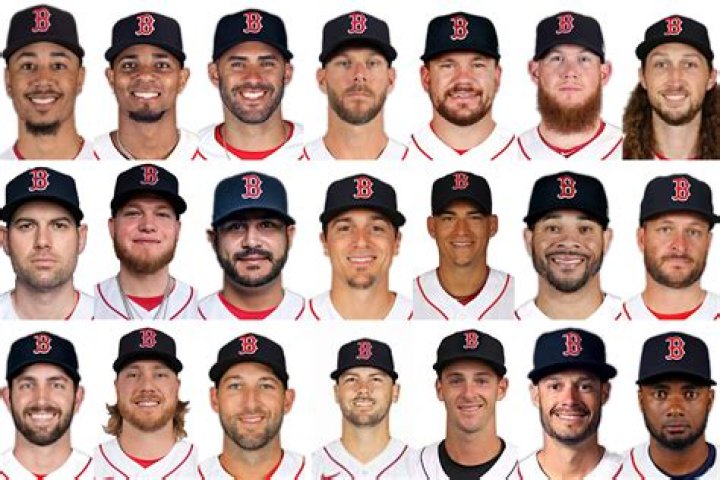
2018 brought perhaps the most dominant season in franchise history. The team won 108 regular-season games and powered through October, losing only three playoff games en route to another championship. Mookie Betts, J.D. Martinez, and Chris Sale led a roster built for victory.
Legendary Players and Icons
The Red Sox roster reads like a baseball hall of fame. Ted Williams—the last player to bat .400—remains arguably the greatest hitter who ever lived. His scientific approach to hitting and military service during World War II cemented his legend beyond statistics.
Carl Yastrzemski played 23 seasons in Boston, winning the Triple Crown in 1967 during the "Impossible Dream" season. His consistency and leadership defined an era between the Ruth trade and the 2004 breakthrough.
David Ortiz, "Big Papi," transformed from Minnesota castoff to Boston legend. His clutch hitting in October and infectious personality made him the face of the modern Red Sox. His postseason heroics—particularly in 2004 and 2013—earned him near-mythical status.
Pedro Martinez dominated baseball in ways rarely seen, posting video-game statistics during his Red Sox tenure. His intensity on the mound and electric stuff made him must-watch television and a World Series champion in 2004.
Red Sox Nation: A Global Community
Red Sox fandom extends far beyond New England's borders. The team's national profile, built through televised games on networks like ESPN and decades of heartbreak stories, created followers coast to coast and internationally.
The phenomenon of Red Sox Nation reflects how sports franchises build communities. Fans identify with the team's underdog history, even after recent success. Road games often feature substantial Boston crowds, their accents and "Sweet Caroline" singalongs unmistakable.
Social media has strengthened these connections. Fans worldwide discuss lineups, trades, and prospects in real-time. The community's passion sometimes manifests as demanding expectations—a double-edged sword for players and management alike.
Rivalries That Define Baseball
The Yankees rivalry towers above all others in American sports. Geographic proximity, competitive history, and the Ruth trade created animosity that burns across generations. Games between these teams carry playoff intensity regardless of standings.
Every pitch matters when these clubs meet. Benches clear. Tempers flare. National audiences tune in. The rivalry has produced countless memorable moments: Bucky Dent's home run, Aaron Boone's blast, the 2004 ALCS comeback.
Other rivalries hold significance too. The Rays have emerged as divisional thorns, often derailing Boston's postseason hopes. The Mets rivalry, dormant most years, ignites when interleague play brings them together, with 1986 memories never far from consciousness.
Building a Contender: Front Office Strategy
Modern baseball success requires analytical sophistication paired with traditional scouting. The Red Sox front office has embraced this dual approach, investing heavily in analytics while maintaining strong scouting departments.
Major financial commitments to player salaries reflect ownership's willingness to spend for championships. The team regularly ranks among baseball's highest payrolls, though recent years have shown more restraint following luxury tax penalties.
The farm system produces talent that supplements major league rosters. Developing players like Xander Bogaerts, Rafael Devers, and Tanner Houck provides both cost control and organizational depth. Trades and free agent signings fill remaining gaps.
Current State and Future Outlook
Recent seasons have brought transition and challenge. After the 2018 championship, the team reset its roster, trading Mookie Betts in a controversial cost-cutting move that sparked fan backlash. Rebuilding phases test loyalty built during winning years.
Young talent offers hope. Rafael Devers has established himself as an elite hitter. Promising pitchers work through development. The organization seeks the right blend of veteran leadership and emerging stars to contend again.
Competition within the American League East remains fierce. The Yankees, Rays, Orioles, and Blue Jays all field competitive rosters. The division regularly sends multiple teams to the playoffs, making every game crucial.
The Business of Baseball in Boston
Fenway Sports Group's ownership transformed the Red Sox into a business empire extending beyond baseball. The organization owns Liverpool FC, Roush Fenway Racing, and other sports properties, leveraging the Red Sox brand globally.
Television deals with NESN (partially owned by the team) generate substantial revenue. Fenway Park's historic status enables premium ticket pricing while concerts and events maximize facility utilization beyond baseball season.
Merchandise sales thrive on nostalgia and contemporary success. The iconic "B" logo appears worldwide, worn by fans who've never visited Boston but connect with the franchise's story.
Cultural Impact Beyond the Diamond
The Red Sox influence extends into literature, film, and music. Books like "Faithful" by Stephen King and Stewart O'Nan chronicle the 2004 season's emotional journey. Movies such as "Fever Pitch" dramatize fan obsession.
"Sweet Caroline" has become Fenway's unofficial anthem, sung during the eighth inning of every home game. Neil Diamond's 1969 hit creates communal moments that define the ballpark experience.
The team's charitable foundation supports youth programs, health initiatives, and community development across New England. Players regularly engage in public appearances and youth clinics, strengthening connections between franchise and community.
Key Takeaways for Fans and Newcomers
Understanding the Red Sox means appreciating how history shapes present identity. The championship drought, while ended, remains central to how fans relate to their team. Younger fans inherit stories from parents and grandparents, maintaining intergenerational bonds.
Attending a game at Fenway Park offers an experience unlike any other baseball venue. The ballpark's quirks, passionate crowds, and historic significance create memories that transcend individual game outcomes. First-time visitors should arrive early to explore the facility and absorb the atmosphere.
Following the team requires patience during rebuilding phases and managing expectations shaped by recent success. Championships are never guaranteed, despite significant financial investment. Baseball's unpredictability ensures drama throughout long seasons.
The Red Sox represent Boston's character—resilient, passionate, sometimes stubborn, ultimately triumphant. They've overcome decades of failure to build a modern dynasty while honoring traditions that connect past and present. Whether you bleed Red Sox red or simply appreciate baseball history, this franchise offers stories that resonate far beyond sport.