Taco Bell: Inside America's Biggest Mexican-Inspired Fast Food Empire
 Sophia Terry
 When Glen Bell opened the first Taco Bell in Downey, California in 1962, few could have predicted it would become one of the world's largest fast-food chains. Today, Taco Bell operates over 8,000 locations globally, serving millions of customers who crave its distinctive take on Mexican-inspired food. The brand has transcended simple fast food status to become a cultural phenomenon, particularly among younger consumers who appreciate its bold flavors, affordable prices, and willingness to experiment with unconventional menu items.
What sets Taco Bell apart isn't authenticity—it's never claimed to serve traditional Mexican cuisine. Instead, the chain created its own category: Tex-Mex fast food that's accessible, customizable, and engineered for American palates. This approach has sparked both criticism and devoted loyalty, making Taco Bell one of the most discussed restaurant brands in America.
The Origins of Taco Bell
Glen Bell didn't start with tacos. His first venture, Bell's Drive-In, sold hot dogs and hamburgers in San Bernardino during the 1940s. But Bell noticed something interesting: a Mexican restaurant across the street consistently drew long lines. He became obsessed with creating a hard-shell taco that could be pre-made and assembled quickly, solving the speed problem that plagued traditional taco preparation.
After experimenting in his garage, Bell developed a method for frying U-shaped taco shells that stayed crispy. He opened a small taco stand called Taco Tia in 1954, then later El Taco before finally launching Taco Bell in 1962. The concept worked. By 1967, the company had expanded to 100 locations. PepsiCo acquired Taco Bell in 1978 for $125 million, accelerating its growth into a nationwide presence.
The chain changed hands again in 1997 when PepsiCo spun off its restaurant division into Tricon Global Restaurants, later renamed Yum! Brands. Today, Yum! Brands also owns KFC and Pizza Hut, making it one of the world's largest restaurant companies.
Menu Strategy and Innovation
Taco Bell's menu follows a deliberate formula. Nearly everything contains variations of the same core ingredients: seasoned ground beef, shredded cheese, lettuce, tomatoes, sour cream, beans, and tortillas in different forms. This limited ingredient palette keeps costs low and simplifies kitchen operations, allowing franchisees to maintain profitability even with value pricing.
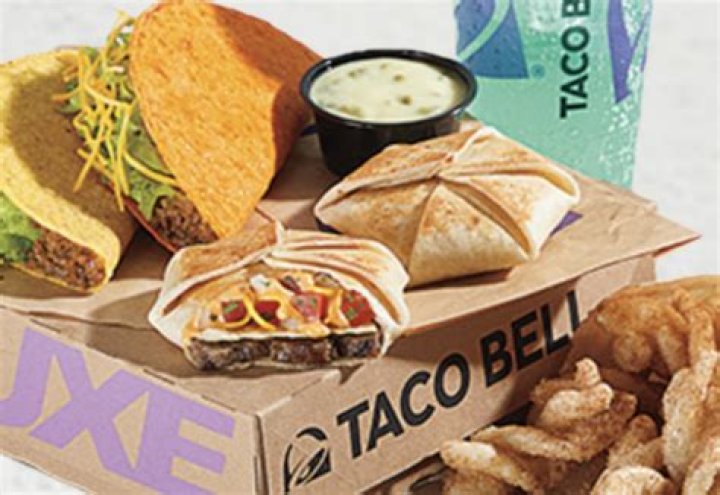
But the genius lies in how these ingredients get recombined. A Crunchwrap Supreme uses a tostada shell inside a grilled tortilla. The Cheesy Gordita Crunch wraps a hard taco in a soft flatbread with cheese as glue. The Quesarito places fillings inside a quesadilla instead of a tortilla. Each innovation feels novel while using familiar components.
Limited-time offers drive substantial traffic. The Doritos Locos Tacos, launched in 2012, became one of the most successful fast-food product launches in history, selling over a billion units in the first year. The strategy creates urgency—customers fear missing out on items that might disappear forever, though popular LTOs often return.
Value Menu Positioning
Taco Bell pioneered the modern value menu concept. While other chains offered budget options, Taco Bell built its entire identity around affordability without sacrificing portion size. The current Cravings Value Menu offers items starting under two dollars, making it possible to get a filling meal for five to seven dollars.
This pricing strategy attracts specific demographics. College students, teenagers, and budget-conscious families form the core customer base. Late-night hours at many locations capture the post-bar crowd, contributing significantly to revenue. Some locations generate 20-30% of daily sales between midnight and 3 AM.
Nutritional Profile and Health Considerations
Fast food nutrition remains controversial, and Taco Bell occupies an interesting position in that debate. A single item can range from 150 calories for a basic taco to over 1,000 calories for loaded burritos or specialty items. Sodium content runs high across the menu, with some items exceeding 1,500mg—more than half the recommended daily intake.
The chain does offer customization options that improve nutritional profiles. Customers can remove sour cream and cheese, substitute beans for meat, or order "fresco style" to reduce calories and fat. The Power Menu Bowl with chicken, beans, rice, and vegetables provides more balanced nutrition compared to heavily processed items.
Registered dietitian Sarah Thompson notes that portion control matters most. "A couple of soft tacos with chicken and beans can fit into a reasonable diet. Problems arise when people order multiple large items plus sides and sugary drinks. Like any fast food, moderation is key."
Vegetarians appreciate Taco Bell's flexibility. The chain became the first quick-service restaurant certified by the American Vegetarian Association in 2015. Beans can replace meat in any item, and over 8 million vegetarian-friendly customizations are ordered monthly.
Business Model and Franchise Operations
Roughly 93% of Taco Bell locations are franchised, with Yum! Brands retaining ownership of select corporate stores. This franchise-heavy model reduces capital requirements while ensuring rapid expansion. Franchise fees start at $45,000, with total investment ranging from $1.2 to $2.6 million depending on location and format.
The company provides extensive support to franchisees. Training programs cover operations, marketing, and customer service. Supply chain management ensures consistent ingredient quality across locations. Real estate assistance helps identify promising sites based on demographic analysis and traffic patterns.
Average unit volumes—the revenue per location—hover around $1.6 million annually for traditional stores. High-performing locations in prime markets can exceed $2.5 million. Operating margins typically range from 15-20% before debt service, making Taco Bell franchises relatively profitable compared to other quick-service restaurants.
International Expansion Challenges
While dominant domestically, Taco Bell has struggled internationally. The chain operates in roughly 30 countries but has faced challenges adapting its Mexican-inspired concept to markets unfamiliar with Tex-Mex cuisine. Early attempts in Mexico itself failed spectacularly—locals saw little reason to eat Americanized versions of their own food.
Recent international strategy focuses on markets like India, where Taco Bell introduced paneer-based vegetarian options and localized flavors. The United Kingdom and Canada represent more successful markets with cultural similarities to the United States. Japan received a menu featuring shrimp tacos and rice-based items.
Marketing and Brand Identity
Taco Bell's marketing embraces absurdity and self-awareness. Campaigns don't pretend the food is gourmet or authentic. Instead, they lean into the brand's position as fun, affordable, and slightly rebellious. The "Think Outside the Bun" slogan ran for a decade, positioning Taco Bell as an alternative to burger chains.
Social media marketing targets younger audiences with memes, limited-edition merchandise, and collaborations with gaming companies. The brand maintains active presence on Twitter, Instagram, and TikTok, often engaging directly with customers through humor rather than corporate-speak.
Product placement and celebrity partnerships amplify reach. Musicians reference Taco Bell in lyrics. The Taco Bell Foundation sponsors educational initiatives, distributing millions in scholarships. These efforts build goodwill while keeping the brand culturally relevant.
The architectural design of restaurants has evolved significantly. Early locations featured the distinctive mission-style buildings with bell towers. Modern "Cantina" concept stores feature open kitchens, urban aesthetics, and alcohol service in select markets, targeting millennials and urban dwellers.
Technology and Innovation Initiatives
Taco Bell has invested heavily in digital ordering infrastructure. The mobile app allows customization, payment, and pickup scheduling. Digital sales now account for over 30% of total revenue, a figure that grew substantially during pandemic lockdowns.
Drive-through operations received significant innovation. The "Go Mobile" restaurant format features separate lanes for mobile orders, reducing wait times for app users. Some locations test AI-powered ordering systems that take voice orders through the drive-through speaker, though human oversight remains standard.
Delivery partnerships with Uber Eats, DoorDash, and Grubhub expanded accessibility. Customers in areas without nearby locations can now order Taco Bell, though delivery fees and markups increase effective prices substantially. The company also piloted "Defy" drive-through concepts with four lanes and mobile-only ordering.
Competitive Landscape
Taco Bell competes primarily with other quick-service Mexican chains like Chipotle, Qdoba, and Del Taco, though each occupies different market positions. Chipotle targets health-conscious customers willing to pay premium prices for fresh ingredients and customizable bowls. Del Taco offers similar value positioning to Taco Bell but with smaller market share.
Traditional burger chains represent indirect competition. McDonald's, Wendy's, and Burger King compete for the same budget-conscious customers and late-night traffic. Taco Bell's advantage comes from menu distinctiveness—customers seeking tacos or burritos have fewer mainstream options.
Regional chains pose localized threats. In California, restaurants like Del Taco and Baja Fresh compete directly. Texas has Torchy's Tacos and Taco Cabana. These regional players often emphasize fresher ingredients or more authentic recipes, appealing to customers who find Taco Bell too processed.
Cultural Impact and Criticism
Few fast-food chains inspire the same passionate debates as Taco Bell. Defenders praise its affordability, consistency, and willingness to experiment. Critics denounce it as barely food, pointing to processed ingredients and high sodium content. Both perspectives contain truth.
The "cultural appropriation" critique surfaces periodically. Some argue that Taco Bell profits from Mexican food culture while presenting Americanized versions that bear little resemblance to authentic cuisine. The company has generally avoided this controversy by never claiming authenticity—its food is explicitly "Mexican-inspired" rather than Mexican.
Late-night food culture and Taco Bell have become inseparable in American consciousness. College students, shift workers, and anyone seeking cheap food at 2 AM know Taco Bell delivers. This association has both positive and negative implications for the brand's image.
Internet culture amplified Taco Bell's reach. Memes about "Taco Bell runs" and digestive consequences persist, yet don't seem to hurt business. The brand occasionally leans into these jokes, demonstrating self-awareness that resonates with younger audiences who appreciate brands that don't take themselves too seriously.
Future Outlook and Expansion Plans
Yum! Brands projects continued domestic growth with plans to reach 10,000 US locations by 2030. This expansion focuses on underserved markets and non-traditional venues like airports, universities, and entertainment complexes.
Plant-based menu items represent one frontier. After testing Beyond Meat alternatives, Taco Bell developed partnerships to bring more vegetarian and vegan options to menus. This addresses growing consumer interest in plant-based diets without alienating traditional customers who prefer meat.
Automation will likely increase in kitchens and ordering systems. Labor costs continue rising, pushing franchisees toward technology that reduces staffing needs. Self-order kiosks already appear in many locations. Kitchen automation for repetitive tasks like shell frying and ingredient portioning could follow.
Sustainability initiatives have begun addressing packaging waste and supply chain environmental impact. Recyclable packaging materials are being phased in. Water and energy efficiency improvements in restaurants reduce operational costs while improving environmental profiles. These changes respond to consumer pressure and regulatory requirements in various jurisdictions.
Key Takeaways
Taco Bell succeeded by creating its own category rather than competing on authenticity. The chain's ability to recombine limited ingredients into seemingly endless variations keeps menus fresh while maintaining operational efficiency. Value pricing attracts budget-conscious customers, particularly younger demographics who prioritize affordability and boldness over premium ingredients.
Digital transformation and franchise scalability position Taco Bell for continued growth despite increasing competition. The brand's cultural relevance, built through self-aware marketing and social media engagement, maintains customer loyalty across generations. Whether celebrated or criticized, Taco Bell remains an undeniable force in American fast food—a testament to Glen Bell's simple idea that tacos could be fast, affordable, and distinctly American.
