How to Whiten Teeth with Braces: Guest Author Guidelines Explained
 Ava White
Orthodontic treatment transforms smiles, but many people worry about tooth discoloration during the process. The concern is valid—braces create challenges for maintaining that pearly white appearance. For those looking to contribute valuable content about this topic, understanding both the dental science and the editorial standards becomes essential.
This guide addresses two interconnected needs: practical advice for whitening teeth while wearing braces, and the specific requirements for guest authors who want to share their expertise on dental health platforms. Publishers increasingly seek knowledgeable contributors who can deliver accurate, helpful content about orthodontic care.
Understanding Teeth Whitening Challenges with Braces
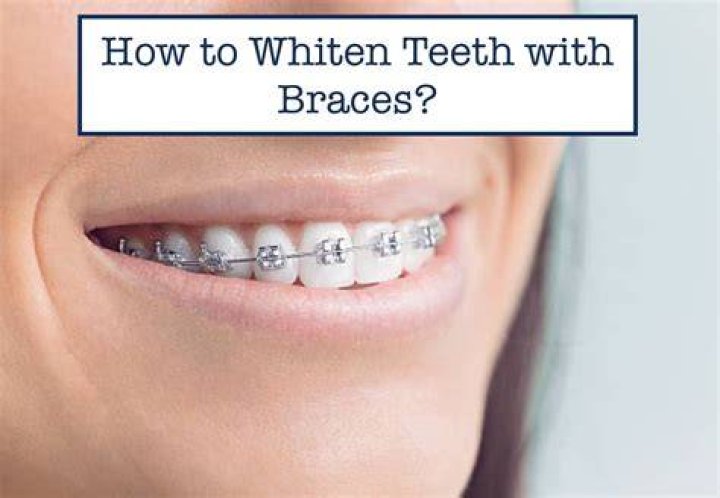
Braces complicate the whitening process in ways most people don't anticipate. The brackets and wires cover portions of tooth enamel, creating a barrier that prevents whitening agents from reaching the entire surface. If you attempt whitening while brackets remain attached, you risk uneven coloration—the exposed areas lighten while the covered sections stay their original shade.
Traditional metal braces pose the greatest challenge. Ceramic braces present similar issues, though they're less noticeable. Even clear aligners, which can be removed, require careful timing and technique to achieve uniform results.
Orthodontists typically recommend waiting until after braces removal for professional whitening treatments. The reasoning is straightforward: comprehensive coverage produces consistent results. However, maintenance during treatment prevents staining that could require more aggressive whitening later.
Safe Whitening Methods During Orthodontic Treatment
Several approaches help maintain tooth brightness without compromising your orthodontic hardware or dental health. These methods won't produce dramatic whitening, but they prevent the discoloration that often occurs during the 18 to 36 months most people wear braces.
Whitening toothpaste offers the gentlest option. These products contain mild abrasives and low concentrations of hydrogen peroxide or carbamide peroxide. They remove surface stains without the intensity of professional treatments. Brush carefully around brackets and wires, spending at least two minutes twice daily.
Electric toothbrushes improve cleaning efficiency. The oscillating or sonic action reaches areas manual brushing might miss. Pair this with interdental brushes—those tiny cone-shaped brushes designed specifically for braces—to clean around brackets where staining commonly develops.
Diet modification matters more than many realize. Coffee, tea, red wine, and dark berries deposit pigments on enamel. Acidic foods and beverages weaken enamel, making it more susceptible to staining. Rinsing with water immediately after consuming these items reduces their impact.
Post-Braces Whitening Options
Once your orthodontist removes the braces, the full spectrum of whitening treatments becomes available. Professional in-office whitening delivers the fastest results, often lightening teeth several shades in a single appointment. Dentists use high-concentration bleaching agents with protective measures for gums and soft tissue.
Take-home kits prescribed by dentists offer a middle ground between professional treatments and over-the-counter products. Custom-fitted trays ensure even application and minimize gum irritation. Most protocols involve daily wear for one to two weeks.
Over-the-counter strips, gels, and trays provide the most affordable option. Results take longer—typically two to four weeks—and may be less dramatic than professional treatments. The active ingredient concentration is lower, which also means reduced sensitivity for most users.
Guest Author Guidelines for Dental Content Platforms
Publishers in the dental health space maintain rigorous standards for guest contributors. These requirements protect readers from misinformation while maintaining editorial credibility. Understanding these expectations increases acceptance rates and builds lasting contributor relationships.
Most dental blogs and health websites require authors to demonstrate expertise. This might include dental degrees, hygiene licenses, or extensive experience in oral health writing. Some platforms accept knowledgeable health writers without formal credentials if they cite appropriate sources and submit to expert review.
Original content is non-negotiable. Publishers reject anything previously published elsewhere, including your own blog. They're looking for fresh perspectives, recent research, and unique insights that serve their specific audience. Duplicate content damages search rankings and reader trust.
Content Requirements and Editorial Standards
Quality dental publications expect specific formatting and structural elements. Articles typically range from 1,200 to 2,500 words, depending on topic complexity. Shorter pieces work for focused how-to guides, while comprehensive topics demand longer formats.
Evidence-based writing separates amateur content from professional contributions. Claims about dental procedures, products, or health outcomes require citations from peer-reviewed journals, professional dental associations, or clinical studies. Anecdotal evidence alone doesn't meet editorial standards.
Clear organization helps readers navigate information efficiently. Most editors prefer descriptive subheadings, short paragraphs, and bullet points for lists. This structure improves readability and serves both skimmers and detailed readers.
- Include relevant statistics from reputable sources like the American Dental Association
- Avoid promotional language or product endorsements unless disclosed and approved
- Write at an accessible level—typically eighth to tenth grade reading comprehension
- Address common reader questions and concerns directly
- Provide actionable advice rather than purely theoretical information
Submission Process and Pitch Requirements
Few dental websites accept unsolicited full articles. The standard approach involves pitching article ideas first. Your pitch should be concise—usually 150 to 300 words—outlining the proposed topic, angle, and why it matters to their readers.
Include your credentials and writing samples. Links to three to five published articles demonstrate your ability to deliver professional content. If you lack published clips, well-crafted sample pieces on your own blog can suffice, though they carry less weight.
Response times vary widely. Some editors reply within days; others take weeks. Follow up politely after two weeks if you haven't heard back. Be prepared for rejection—competitive sites accept only a small percentage of pitches.
Common Mistakes Guest Authors Make
Many submissions fail because authors ignore submission guidelines. Each publication posts specific requirements regarding word count, formatting, image inclusion, and author bio length. Skipping these instructions signals carelessness and often results in automatic rejection.
Promotional content disguised as educational articles frustrates editors. Guest posts should educate and inform, not advertise services or products. Most platforms allow a brief author bio with one or two links—that's the appropriate place for self-promotion.
Outdated information damages credibility. Dental science evolves constantly, with new research, techniques, and recommendations emerging regularly. Articles citing decade-old studies or outdated practices don't serve readers and won't pass editorial review.
Building Relationships with Dental Publishers
Successful guest authors often contribute to the same platforms repeatedly. This happens because they deliver quality work on deadline, respond professionally to editorial feedback, and understand each publication's audience and voice.
Engage with the platform before pitching. Comment thoughtfully on existing articles, share their content on social media, and demonstrate familiarity with their style and topics. Editors notice contributors who are genuinely part of their community.
Accept editorial changes gracefully. Experienced editors improve clarity, tighten prose, and ensure accuracy. Defensive responses to feedback close doors; professional acceptance opens them.
Frequently Asked Questions
Can I use whitening strips while wearing braces?
Whitening strips won't work effectively with traditional braces because they can't adhere properly around brackets and wires. The result would be uneven whitening. If you have clear aligners like Invisalign, you can use whitening products when the aligners are removed, but consult your orthodontist first to ensure you won't damage your treatment plan or dental health.
How long should I wait after braces removal to whiten my teeth?
Most orthodontists recommend waiting at least two weeks after braces removal before starting any whitening treatment. This allows your teeth to stabilize and any minor inflammation around the bracket sites to resolve. Your dentist may suggest a professional cleaning first to remove any residual adhesive and surface stains, which provides a clean foundation for whitening treatments.
Do dental blogs pay guest authors for articles?
Payment policies vary significantly. Some high-traffic dental websites compensate guest authors, typically ranging from $50 to $300 per article depending on length, complexity, and the author's credentials. Many platforms offer exposure instead of payment, allowing authors to build their portfolio and include backlinks to their practice or website. Always clarify compensation expectations before submitting work.
What credentials do I need to write about dental topics as a guest author?
Requirements depend on the publication. Medical and dental websites usually prefer licensed dental professionals—dentists, orthodontists, or dental hygienists. However, experienced health writers with strong research skills and the ability to interview dental experts can also succeed. Some platforms require authors to work with an in-house dental consultant who reviews content for accuracy before publication.
Final Thoughts
Maintaining tooth brightness during orthodontic treatment requires patience and realistic expectations. The good news is that proper oral hygiene during braces prevents most staining, and professional whitening after removal delivers excellent results. For those interested in sharing their knowledge through guest authoring, dental health platforms offer meaningful opportunities to educate readers while building professional credibility. Success comes from understanding both the science you're writing about and the editorial standards you're writing for. Focus on delivering genuine value, cite reliable sources, and respect the guidelines each publisher provides.
