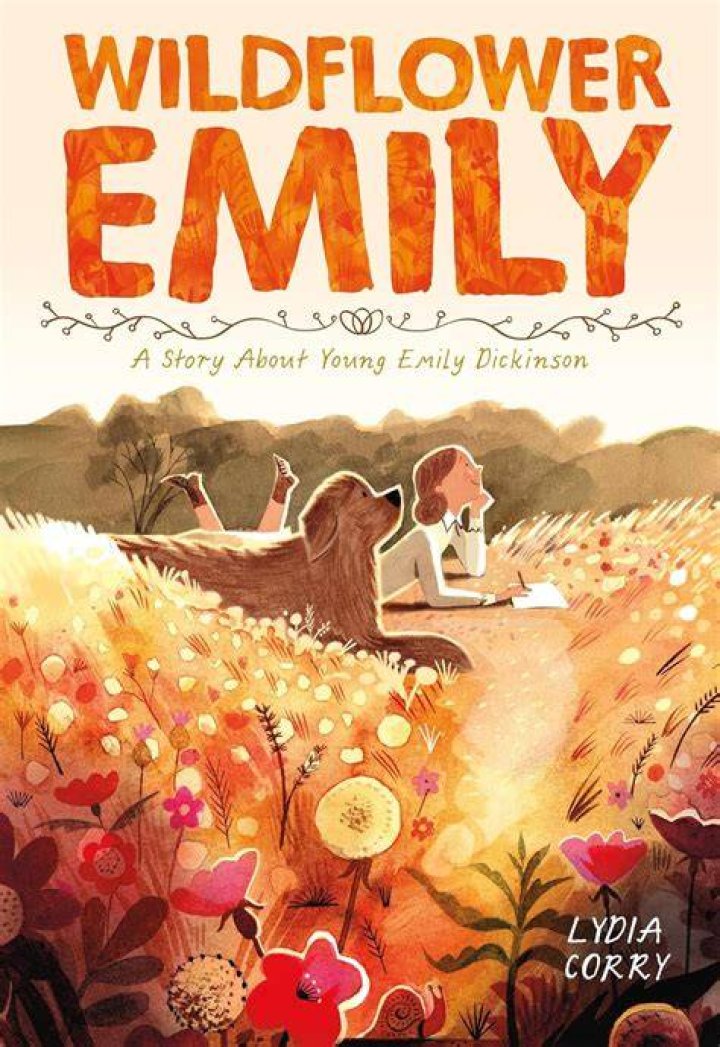
Wildflower Embrace by Emily Hart: A Story of Nature and Connection
 John Campbell
Emily Hart's "Wildflower Embrace" has captured the attention of readers seeking stories that blend natural beauty with raw human emotion. The work stands as a testament to Hart's ability to weave botanical imagery with narratives about personal growth, loss, and rediscovery. What sets this piece apart isn't just its lyrical prose—it's the way Hart uses wildflowers as both metaphor and anchor point for exploring deeper themes of resilience.
Since its emergence in literary circles, "Wildflower Embrace" has sparked conversations about how we connect with the natural world during times of upheaval. Hart draws from personal experience and observation, creating a narrative that feels intimate yet universally relatable. The title itself suggests both gentleness and strength, qualities that permeate every page.
Who Is Emily Hart?
Emily Hart writes from a place of lived experience. Her background includes years spent studying botany and environmental writing, which informs the botanical accuracy threaded through her work. Before "Wildflower Embrace," Hart contributed essays to regional publications focusing on ecology and human relationships with landscape.
Hart's writing style defies easy categorization. She doesn't fit neatly into nature writing or memoir or fiction—instead, she occupies a space where these genres intersect. Her previous works explored similar themes, but "Wildflower Embrace" represents a maturation of her voice. Critics have noted her ability to avoid sentimentality while maintaining emotional honesty.
The author spent significant time in rural environments, particularly meadowlands and prairie ecosystems. This immersion shows. When Hart describes a black-eyed susan or prairie clover, she writes with the precision of someone who has watched these plants through multiple seasons. That authenticity resonates with readers tired of generic nature references.
Central Themes in Wildflower Embrace
The work explores regeneration through botanical cycles. Hart uses the life patterns of wildflowers—their ability to thrive in disturbed soil, their seasonal dormancy, their persistence—as framework for understanding human recovery. A meadow after fire becomes a metaphor for rebuilding after personal devastation.
Solitude plays a complicated role throughout the narrative. Hart doesn't romanticize isolation but presents it as a necessary phase, much like a seed's dormancy before germination. She examines what happens when we step away from constant connectivity and allow ourselves to simply exist within natural rhythms.
Connection forms the counterpoint to solitude. The "embrace" in the title refers not just to nature's comfort but to human bonds that sustain us. Hart explores how relationships mirror ecological interdependence—how we support and draw support from one another, how we adapt to each other's growth patterns.
Memory functions as another layer. Hart returns repeatedly to how landscapes hold personal history, how a specific flower can trigger entire narratives from our past. She writes about walking familiar trails and encountering both botanical changes and ghosts of earlier selves.
Literary Approach and Style
Hart employs a non-linear structure that mirrors natural cycles rather than conventional narrative arcs. Chapters don't follow strict chronology but instead move through emotional seasons. This can challenge readers expecting traditional progression, but it serves the material effectively.
The prose itself alternates between sparse, almost austere passages and moments of lush description. Hart knows when to pull back and when to immerse readers in sensory detail. She might spend half a page describing the specific yellow of a coreopsis bloom, then shift to a single stark sentence about grief.
Scientific terminology appears throughout but never feels forced. Hart integrates botanical names and ecological concepts organically, trusting readers to either know or infer meaning from context. This approach respects audience intelligence while maintaining accessibility.
Dialogue, when it appears, tends toward the understated. Hart captures how people actually talk when walking through fields or sitting on porches—fragmented thoughts, comfortable silences, observations that trail off unfinished. This restraint makes the occasional emotional revelations hit harder.
Why Wildflower Embrace Resonates
Timing matters. The work arrived when many people were reassessing their relationship with natural spaces and seeking grounding during uncertain times. Hart's approach felt neither escapist nor preachy—she simply offered one way of processing difficulty through attention to the nonhuman world.
The botanical focus provides something concrete. Unlike abstract self-help concepts, wildflowers exist. Readers can go outside and find the plants Hart describes, creating a participatory element. Several online communities have formed around identifying and photographing the specific species mentioned in the work.
Hart avoids easy answers. She doesn't claim nature heals all wounds or that spending time outdoors solves complex problems. Instead, she presents nature observation as one tool among many for maintaining equilibrium. That nuanced perspective appeals to readers skeptical of simplistic wellness narratives.
The writing quality itself drives much of the work's success. Hart has a gift for the memorable phrase that doesn't strain for effect. Her sentences lodge in memory not through linguistic gymnastics but through precise observation rendered in clear language.
Impact on Readers and Literary Community
Book clubs and reading groups have embraced "Wildflower Embrace" for its discussion potential. The work raises questions about how we define healing, what role environment plays in identity, and how we balance solitude with community needs. These conversations extend beyond the literary into the personal.
Environmental educators have found value in Hart's approach to botanical description. Several nature centers now use excerpts to teach plant identification paired with reflective writing. The work demonstrates how scientific observation and emotional response can coexist without diminishing either.
Writing workshops cite Hart's work when discussing voice and specificity. Her ability to ground abstract emotions in concrete natural details provides a model for emerging writers attempting similar integrations. Teachers particularly appreciate how she achieves depth without unnecessary complexity.
Some critics argue Hart's focus on individual experience doesn't adequately address larger environmental crises. They suggest her personal narrative approach sidesteps questions of ecological destruction and climate change. Hart has acknowledged this limitation while maintaining that individual perspective remains her chosen lens.
Botanical Accuracy and Research
Hart's background in botany shows throughout the work. She gets the details right—bloom times, habitat preferences, identifying characteristics. This accuracy matters to readers with botanical knowledge and adds credibility for those without.
The wildflowers featured aren't random choices. Hart selected species with particular cultural histories, medicinal uses, or symbolic associations. Each plant carries multiple layers of meaning—its ecological role, its human uses, its place in Hart's personal narrative.
Regional specificity grounds the work in actual place rather than generic "nature." Hart writes primarily about prairie and meadow ecosystems of the American Midwest, though the themes translate across geographies. Readers from other regions find parallels with their local flora.
She includes the less celebrated plants. Alongside showier species like coneflowers and blazing stars, Hart writes about clovers, plantains, and common roadside species. This democratic approach reflects ecological reality—every plant plays a role regardless of aesthetic appeal.
Frequently Asked Questions
Is Wildflower Embrace fiction or nonfiction?
The work occupies a hybrid space. Hart draws from personal experience but employs literary techniques often associated with fiction, including composite characters and compressed timelines. She has described it as "emotionally true" rather than strictly factual in every detail. Most readers and bookstores categorize it as creative nonfiction or lyric essay.
Do I need botanical knowledge to appreciate the work?
No specialized knowledge is required. Hart provides enough context for readers unfamiliar with the plants she discusses. That said, readers with botanical interest will catch additional layers. Many readers report that the work inspired them to learn more about local wildflowers, creating a self-reinforcing educational element.
Where can I find the wildflowers mentioned in the book?
The specific species Hart discusses primarily grow in North American prairie and meadow ecosystems, though many have wider ranges. Local nature centers, prairie restoration sites, and even unmowed roadsides often host these plants. Several readers have created identification guides and maps showing where to find Hart's featured species in various regions.
Final Thoughts
Emily Hart's "Wildflower Embrace" succeeds by trusting both its subject matter and its readers. Hart doesn't overexplain or sentimentalize. She presents careful observations of the botanical world alongside equally careful observations of human experience, allowing readers to draw their own connections. The work reminds us that paying attention to small, persistent things—whether wildflowers or our own emotional patterns—can reveal unexpected resilience. In an age of constant distraction, Hart's focused attention feels almost radical. She makes a case, not through argument but through example, for the value of slowing down enough to notice what grows around us.
