Dante's Last Name in Devil May Cry: Espada or Sparda Explained
 John Castro
The Devil May Cry franchise has captivated gamers for over two decades with its stylish combat, gothic atmosphere, and unforgettable protagonist. Yet even dedicated fans sometimes stumble over a fundamental detail: What exactly is Dante's last name? The confusion between "Espada" and "Sparda" has persisted since the series debuted in 2001, creating endless debates across forums, social media, and gaming communities.
Dante's correct surname is Sparda, not Espada. This confusion stems from pronunciation similarities between languages, translation issues, and the way different regions adapted the original Japanese katakana. The character's full name is Dante Sparda, making him the son of the legendary demon warrior Sparda who rebelled against the demon world to protect humanity. Understanding this distinction matters because the Sparda name carries enormous weight throughout the entire Devil May Cry mythology.
The Origin of Dante's Surname
Sparda represents far more than just a family name in the Devil May Cry universe. The name belongs to Dante's father, a demon knight of extraordinary power who served the demon emperor Mundus two thousand years before the game's events. Sparda's rebellion against his own kind and his choice to seal the demon world away from the human realm became the foundation for the entire series narrative.
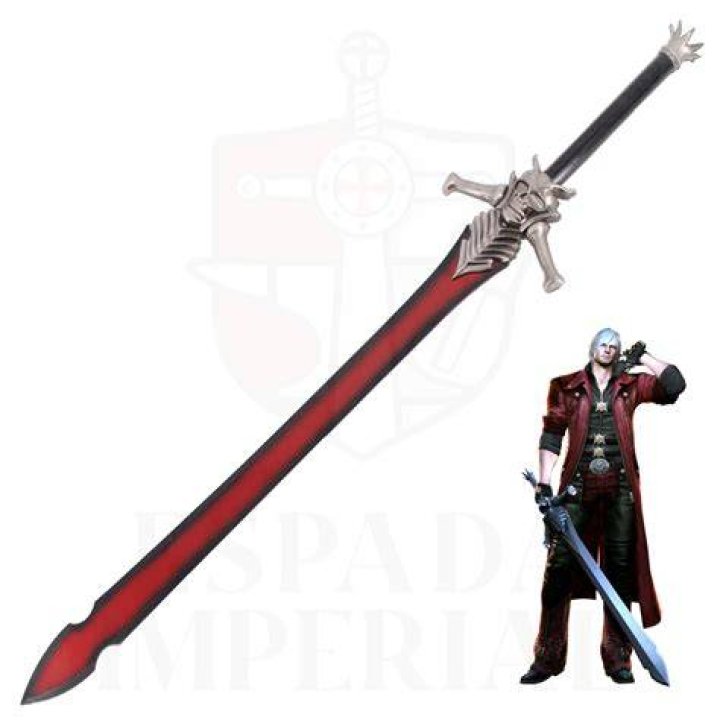
Capcom chose the name Sparda deliberately, drawing from multiple linguistic roots. The name echoes "spada," the Italian word for sword, which perfectly aligns with the character's weapon-based combat style and Italian design influences throughout the series. Dante himself wields rebellion, a massive sword that serves as one of his signature weapons. His twin brother Vergil carries Yamato, another blade with demonic origins. The family connection to swords runs deeper than mere coincidence.
The naming choice also reflects the game's heavy Italian influences. Dante's first name comes from Dante Alighieri, author of The Divine Comedy. Many locations, characters, and weapons throughout the series draw from Italian language and culture. Devil May Cry's gothic European aesthetic makes these choices feel natural rather than forced.
Why Espada Creates Confusion
The "Espada" variant emerged from several sources. Spanish-speaking communities sometimes use this spelling because "espada" means sword in Spanish. The pronunciation difference between Sparda and Espada becomes minimal in certain accents, particularly when spoken quickly during gameplay.
Early fan translations and unofficial materials occasionally used "Espada" before official English releases standardized the spelling. Gaming magazines in the early 2000s sometimes published conflicting information. Once incorrect spellings circulate online, they gain momentum through repetition. New players encountering the series through YouTube videos, streaming content, or casual discussions might hear "Espada" and assume it's correct.
Japanese katakana writing presents another factor. The original Japanese text renders the name as スパーダ (Supāda), which doesn't distinguish between "Sparda" and potential alternatives. Western localizers had to make definitive choices about romanization, and while Capcom settled on Sparda, unauthorized translations varied.
The Sparda Legacy Throughout the Series
Every Devil May Cry game reinforces the Sparda name's importance. Dante's demon transformation ability is called "Devil Trigger," allowing him to tap into his demonic heritage. His father's legendary sword, Force Edge, becomes the Devil Sword Sparda after unlocking its true form. The weapon serves as a plot device across multiple titles.
Dante's twin brother Vergil shares the Sparda surname and inherited the same demonic power. Their rivalry forms the emotional core of several games, particularly Devil May Cry 3 and Devil May Cry 5. Both brothers struggle with their dual nature as half-human, half-demon hybrids. The Sparda bloodline makes them targets for demons seeking power while simultaneously giving them the strength to fight back.
Even Nero, introduced in Devil May Cry 4, carries Sparda blood as Vergil's son. The generational aspect of the Sparda name expands the mythology beyond Dante himself. Lady, Trish, and other recurring characters acknowledge the Sparda legacy throughout their interactions with the protagonists. The name represents both a blessing and a burden for those who carry it.
Official Sources and Canon Material
Capcom's official materials consistently use "Sparda" across all languages and regions. Game manuals, strategy guides, official websites, and promotional materials never waver from this spelling. The Devil May Cry HD Collection, released in 2012 and remastered in 2018, maintains the Sparda spelling throughout all included titles.
Voice actors in both English and Japanese versions pronounce the name with the "Sp" sound clearly. Reuben Langdon, who has voiced Dante since Devil May Cry 3, always says "Sparda" in cutscenes and dialogue. Japanese voice actor Toshiyuki Morikawa does the same in the original audio tracks.
The 2019 release of Devil May Cry 5 represented the series' return after an 11-year gap. Marketing materials, developer interviews, and in-game text all reinforced the canonical Sparda spelling. Hideaki Itsuno, the series director, has never used any alternative spelling in public statements or presentations.
Common Misconceptions About the Name
Some fans believe multiple spellings exist for different regions or versions. This isn't accurate. While translation choices sometimes vary for character dialogue or item descriptions, proper names remain consistent. Dante's surname never changes between Japanese, English, French, German, Spanish, or Italian versions of the games.
Another misconception suggests that "Espada" was the original name that Capcom later changed. No evidence supports this claim. Development documents, early promotional materials from 2001, and the original Japanese release all use Sparda from the beginning. The franchise has maintained consistency for over 25 years.
Regional accent differences when pronouncing "Sparda" don't constitute official variations. A British English speaker might pronounce it slightly differently than an American English speaker, but the spelling remains identical. Pronunciation variations exist for virtually every name in gaming; they don't indicate multiple correct spellings.
The Character Beyond His Name
Dante Sparda has become one of gaming's most recognizable characters. His white hair, red coat, and cocky attitude defined the character action genre. Devil May Cry's influence extends to games like Bayonetta, Metal Gear Rising: Revengeance, and countless others that copied its stylish combat system.
What makes Dante compelling isn't just his heritage but how he responds to it. Unlike Vergil, who embraces demonic power and rejects his human side, Dante accepts both aspects of his nature. He runs a demon hunting business called "Devil May Cry," fighting to protect humans despite being half-demon himself. His jokes and casual attitude mask deeper trauma from losing his mother and brother at a young age.
The Sparda name comes with expectations Dante actively subverts. Where his father was serious and noble, Dante is flippant and irreverent. He lives in debt despite taking dangerous jobs. Pizza appears as his favorite food throughout the series, contrasting with the gothic horror atmosphere. These contradictions make him more human despite his legendary bloodline.
Impact on Gaming Culture
Devil May Cry pioneered the "stylish action" subgenre when it launched in 2001. The game's ranking system encouraged players to perform varied, creative combos rather than repeating safe strategies. Dante's moveset allowed for expression and experimentation. Speedrunners and combo enthusiasts continue discovering new techniques decades later.
The series influenced game design philosophy far beyond Capcom. God of War, Ninja Gaiden, and even the Batman Arkham series borrowed elements from Devil May Cry's combat framework. The franchise proved that difficulty and style could coexist with mainstream appeal. Its legacy extends to modern games like Doom Eternal, which adopted similar principles of aggressive, forward-moving combat.
Dante himself became a gaming icon that transcends his original series. He appeared in Marvel vs. Capcom 3, bringing his moveset to the fighting game community. His inclusion in crossover titles introduced the character to players who never touched Devil May Cry. Fan art, cosplay, and memes keep the character relevant between mainline releases.
Frequently Asked Questions
Is Dante's last name Espada or Sparda?
Dante's canonical last name is Sparda, not Espada. This has been consistent since the first Devil May Cry game released in 2001. The confusion arises from pronunciation similarities and the fact that "espada" means sword in Spanish, while "spada" means sword in Italian. Capcom has never used the Espada spelling in any official capacity. All game releases, promotional materials, and canon sources use Sparda exclusively.
Where does the name Sparda come from?
The name Sparda likely derives from "spada," the Italian word for sword, reflecting both the character's weapon mastery and the game's Italian design influences. Dante's father, also named Sparda, was a legendary demon swordsman who rebelled against the demon world. The naming choice aligns with Devil May Cry's gothic European aesthetic and literary references, including Dante's first name being taken from Dante Alighieri. The sword connection runs throughout the series mythology, with multiple legendary blades tied to the Sparda family.
Who else in Devil May Cry has the Sparda surname?
Several characters share the Sparda bloodline. Vergil, Dante's twin brother, is Vergil Sparda. Their father was the original Sparda, the legendary dark knight who protected humanity. Nero, introduced in Devil May Cry 4, is Vergil's son and therefore carries Sparda blood as well, though his full name is simply Nero. Eva, Dante and Vergil's mother, was human and married Sparda. The Sparda legacy spans three generations within the series timeline, with each descendant inheriting demonic power and distinctive white hair.
Final Thoughts
The Dante Espada versus Sparda confusion demonstrates how small details can create lasting misconceptions in gaming communities. Names matter in storytelling, and Sparda carries specific meaning tied to the Devil May Cry mythology. The Italian sword connection, the legendary father who shares the name, and the demonic heritage all hinge on that specific spelling.
For players new to the series or those who've heard the name pronounced casually, the distinction might seem minor. But understanding Dante's proper surname enriches appreciation for Capcom's world-building. The Sparda name isn't just identification—it's destiny, burden, and legacy wrapped into one. Dante's journey involves accepting that name while defining himself beyond it. That's what makes him more than just another video game protagonist with a cool design.
Next time someone asks about Dante's last name or you see "Espada" written in a forum post, you'll know the truth. It's Sparda. Always has been, always will be. Just like the legendary dark knight himself, some things remain constant even as the demon world keeps trying to drag humanity into chaos.