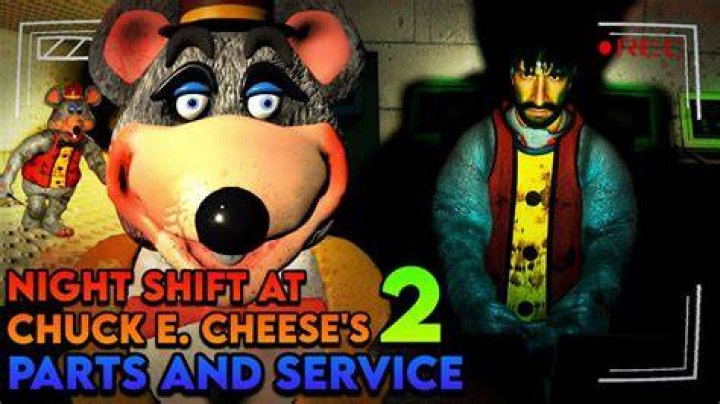
Night Shift at Chuck E. Cheese's 2: Door Code Guide and Secrets
 Matthew Martinez
The independent horror game Night Shift at Chuck E. Cheese's 2 has captured the attention of fans looking for a unique twist on the survival horror genre. Players find themselves trapped inside a dark, animatronic-filled entertainment center where finding door codes becomes essential to survival. These numeric combinations unlock safe rooms, reveal story elements, and provide escape routes from the menacing characters that roam the building after hours.
Unlike traditional horror games that rely solely on hiding and running, this sequel introduces puzzle-solving elements centered around discovering and using door codes correctly. The codes change depending on gameplay choices and difficulty settings, making each playthrough feel fresh. Understanding where to look for these codes and how they function can mean the difference between surviving until 6 AM or becoming another victim of the malfunctioning animatronics.
Understanding the Door Code System
Night Shift at Chuck E. Cheese's 2 employs a dynamic door code mechanism that integrates seamlessly with its gameplay. The codes typically consist of four digits that players must input on keypads located near secured doors throughout the facility. These aren't handed to you on a silver platter. You'll need to explore the environment, examine documents, and sometimes decode visual clues scattered across the building.
The primary door code that most players seek first is 1-9-8-7, which unlocks the security office safe room. This code can be found written on a sticky note attached to the monitor in the main office area during the first night. However, the developers implemented randomization for subsequent playthroughs on harder difficulties, forcing players to actually search rather than rely on memorized sequences.
Another critical code is 5-2-4-3, which opens the supply closet near the arcade section. This room contains batteries for your flashlight and a first aid kit, both essential items for surviving longer shifts. The code appears on a maintenance log sheet that you'll find in the kitchen area, though it requires careful observation since the paper is partially torn and stained.
Where to Find Each Door Code
The game hides door codes in logical yet challenging locations. The employee break room code 3-8-1-6 is scrawled inside a pizza box that you'll need to open in the dining area. It grants access to a room with cameras that let you monitor animatronic positions, giving you a tactical advantage.
For the maintenance tunnel entrance, you're looking for 7-4-2-9. This one requires more detective work. Check the birthday party schedule board near the entrance. The code is hidden within the dates of four different parties, reading the day numbers from top to bottom. This particular puzzle stumped many players during the game's initial release.
The back exit door, your ultimate escape route on certain nights, uses the code 6-1-3-5. You'll find this written in UV-reactive ink on the wall behind the prize counter. You'll need to use the blacklight you find in the manager's office to reveal it, adding another layer to the puzzle-solving experience.
Strategic Code Usage Throughout the Game
Knowing the codes is one thing. Using them strategically is what separates novice players from veterans. The security office door should be your first priority. Getting inside gives you access to the camera system and a lockable door that can buy you precious seconds when animatronics are hunting you.
Don't waste time trying to collect all codes in one night unless you're playing on easy mode. The animatronics become more aggressive as the night progresses, and spending too much time searching makes you vulnerable. Prioritize codes that give you survival tools first, then worry about collectibles and story elements.
Some doors can only be accessed during specific time windows. The code 9-5-2-1 for the ventilation shaft is useless before 3 AM because the shaft door remains locked by a timer system. This detail reflects the game's attention to realistic security measures that might exist in an actual commercial facility.
Common Mistakes Players Make
New players frequently enter codes too quickly, triggering an error sound that attracts nearby animatronics. The game punishes button mashing. You need to input each digit deliberately, waiting for the confirmation beep before pressing the next number. This creates tension because you're standing exposed at a keypad while potential threats approach.
Another error is assuming all codes remain static. On nightmare difficulty, three of the seven door codes randomize with each new game. Players who rely on guides without actually exploring will find themselves locked out of critical areas. The game rewards genuine investigation over rote memorization.
Forgetting to write down codes you discover is perhaps the most frustrating mistake. The game doesn't maintain a code journal for you. Many players take physical notes or use their phone to track discovered combinations, especially during longer play sessions when managing multiple codes becomes challenging.
Advanced Techniques and Hidden Codes
Experienced players have discovered that inputting 0-0-0-0 on any keypad three times in a row triggers a special event. This Easter egg doesn't help with survival but unlocks a secret minigame accessible from the main menu after completion. It's these kinds of hidden details that give the game replay value beyond the standard survival horror experience.
There's also a master code that changes daily based on your system clock. The formula involves taking the current date and performing a specific calculation: (Month × Day) ÷ Year, using only the last four digits. This code opens the manager's office, which contains lore documents explaining the backstory of the haunted animatronics.
Speed runners have optimized a route that requires memorizing only three essential codes: the security office, supply closet, and back exit. This minimum viable path lets skilled players complete nights in under ten minutes, though it requires perfect timing and intimate knowledge of animatronic patrol patterns.
Frequently Asked Questions
Do door codes change every time you play?
On easy and normal difficulties, most door codes remain consistent across playthroughs. The primary codes like 1-9-8-7 for the security office and 5-2-4-3 for the supply closet stay the same. However, nightmare difficulty randomizes several codes, requiring you to find them through exploration each time. The game provides the same clue locations, but the actual number combinations change to prevent players from simply memorizing sequences.
What happens if you enter a wrong code multiple times?
Entering an incorrect code triggers a soft beep that can attract animatronics within a certain radius. Three failed attempts at the same keypad causes a louder alarm sound and temporarily locks the keypad for 60 seconds of in-game time. This mechanic forces you to either find the correct code before attempting or be prepared to flee if you make too many mistakes. Some players use this strategically to lure animatronics away from areas they need to access.
Can you complete the game without using any door codes?
Technically yes, but it makes survival exponentially harder. A no-code challenge run exists in the speed running community where players avoid using any locked doors and rely purely on movement, hiding, and timing to survive. This approach requires expert knowledge of animatronic behavior patterns and leaves you without access to useful items like extra batteries or health supplies. Most casual players will find this approach nearly impossible past night three.
Impact on Gameplay and Game Design
The door code system elevates Night Shift at Chuck E. Cheese's 2 beyond simple jump scare horror. It adds a puzzle-solving layer that engages different cognitive skills. You're not just running and hiding—you're investigating, remembering, and making strategic decisions about when to risk exposure for potential rewards.
This mechanic also enhances the game's atmosphere. Frantically searching for a code while hearing animatronic footsteps approaching creates genuine tension that feels earned rather than manufactured. The satisfaction of finding a crucial code and successfully entering it while under pressure delivers a dopamine hit that keeps players engaged.
From a game design perspective, the variable code system increases replayability. Players can't simply watch a walkthrough and memorize everything. They need to understand the logic behind code locations and develop actual investigation skills. This respects player intelligence in a genre that sometimes relies too heavily on cheap scares.
Final Thoughts
Night Shift at Chuck E. Cheese's 2 uses door codes as more than just arbitrary barriers. They're integrated into the survival experience, forcing players to take calculated risks and rewarding exploration and observation. Whether you're hunting for 1-9-8-7 to access the security office or decoding the UV message for 6-1-3-5, each code discovery feels like a genuine achievement. The system works because it balances accessibility with challenge, giving new players clear goals while offering veterans room for optimization and creative problem-solving. For a fan-made horror game, that level of thoughtful design deserves recognition.