Ross Lynch and Troye Sivan: Exploring the Hollywood-Music Connection
 Rachel Hernandez
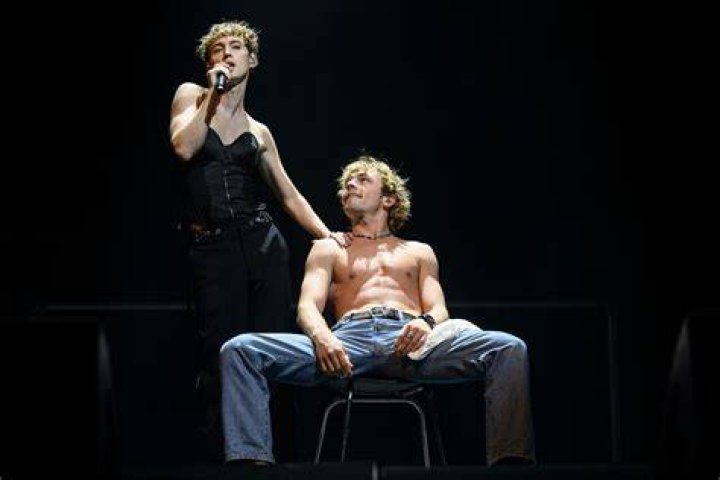
Ross Lynch and Troye Sivan represent two distinct but occasionally intersecting paths in contemporary entertainment. Lynch, known for his transition from Disney Channel star to serious actor and musician, and Sivan, the Australian singer-songwriter who became a global pop sensation, have both carved unique spaces in youth culture. While they've never collaborated directly, their careers share fascinating parallels that reveal how modern celebrities navigate identity, artistry, and public perception.
Both artists emerged during a transformative period for young performers. They've each contributed to shifting conversations around sexuality, masculinity, and creative authenticity in entertainment. Their journeys offer insight into how millennial and Gen Z stars approach their careers differently than previous generations.
Ross Lynch: From Disney Star to Dramatic Actor
Ross Lynch first captured attention as Austin Moon on Disney Channel's "Austin & Ally," which ran from 2011 to 2016. The show made him a household name among younger audiences, but Lynch had bigger ambitions than remaining typecast as a teen heartthrob.
His band, R5, later rebranded as The Driver Era with his brother Rocky, allowed Lynch to explore musical territory beyond Disney-approved pop. The shift demonstrated his desire for artistic control and maturity. But his most significant career pivot came with his portrayal of Jeffrey Dahmer in the 2017 film "My Friend Dahmer." The performance shocked audiences who only knew him from family-friendly content. Critics praised his chilling, nuanced work, proving he possessed serious dramatic chops.
Lynch's role as Harvey Kinkle in Netflix's "Chilling Adventures of Sabrina" further cemented his transition into mature content. He's been open about his sexuality, coming out as queer, which resonated with fans who appreciated his honesty and vulnerability.
Troye Sivan: Pop Music's Authentic Voice
Troye Sivan's trajectory followed a different route. Starting as a YouTube personality and actor in South African films, he transitioned into music with remarkable success. His 2015 debut album "Blue Neighbourhood" introduced a fresh voice in pop music—one that didn't shy away from explicitly queer narratives.
Songs like "Youth" and "Wild" became anthems for LGBTQ+ youth searching for representation in mainstream music. Sivan's 2018 album "Bloom" pushed boundaries further, with tracks that celebrated queer desire without euphemism or apology. The title track itself became notable for its frank sensuality, something rarely heard from male pop artists singing about same-sex experiences.
Beyond music, Sivan has maintained an acting career, appearing in "X-Men Origins: Wolverine" as a child and later in "Boy Erased" alongside Lucas Hedges and Nicole Kidman. His performance in the latter, which dealt with conversion therapy, demonstrated his commitment to stories about LGBTQ+ experiences.
The Intersection of Their Influence
Though Lynch and Sivan haven't worked together, their cultural impact overlaps significantly. Both have become symbols of authentic queer representation in industries that historically demanded closeted performers or relegated LGBTQ+ artists to niche markets.
Their social media presence reflects modern celebrity culture. Sivan's Instagram aesthetic—polished yet personal—set trends for how musicians engage fans. Lynch's more casual approach shows different aspects of authenticity. Neither feels manufactured or overly managed, which appeals to audiences tired of calculated celebrity personas.
Fans occasionally speculate about potential collaborations between the two. Their musical styles differ—Sivan leans toward synth-pop and electronic production, while Lynch's work with The Driver Era incorporates alternative rock and indie influences—but both share an interest in pushing creative boundaries.
Representation and Cultural Impact
The importance of Lynch and Sivan as openly queer performers cannot be overstated. They emerged during a period when coming out could still derail careers, yet both found success without compromising their identities.
Sivan's music videos, often featuring queer romance and bodies, created visibility that previous generations lacked. Videos like "Bloom" and "My My My!" celebrated queer joy and sensuality, countering narratives that focused solely on struggle or tragedy.
Lynch's openness about his sexuality came later in his career, but his willingness to discuss it publicly added another voice to the conversation. For young people who grew up watching him on Disney Channel, his coming out represented growth and honesty.
Both artists have participated in activism, though in different ways. Sivan has been vocal about LGBTQ+ rights globally, using his platform to advocate for communities facing discrimination. Lynch has spoken about mental health and the pressures of fame, particularly for young performers.
Career Trajectories and Artistic Evolution
What makes both Lynch and Sivan compelling is their refusal to remain static. Lynch could have continued making Disney-adjacent content indefinitely. Instead, he chose roles that challenged audience expectations and allowed him to grow as an actor.
Sivan could have followed a more conventional pop path, softening the queer content in his music for broader appeal. He chose authenticity instead, building a devoted fanbase that values his honesty. His recent work continues pushing into new sonic territory, experimenting with production and songwriting approaches.
The Driver Era's evolution shows Lynch's commitment to musical experimentation. Albums like "Girlfriend" and "Summer Mixtape" moved away from the pop-rock sound of R5, incorporating electronic elements and more mature themes. Live performances showcase Lynch's energy and connection with audiences who've followed his journey from Disney star to independent artist.
Social Media and Fan Connection
Both performers understand digital platforms in ways that set them apart from older generations of celebrities. Sivan built his initial following through YouTube, creating a direct connection with fans before traditional media discovered him. That relationship continues through carefully curated but seemingly spontaneous social media content.
Lynch's social media reflects his personality—playful, artistic, occasionally surreal. He shares music, personal moments, and creative projects without the corporate sheen that characterized Disney stars of previous eras. This approach makes him feel accessible, like someone fans might actually know.
Their fan communities sometimes overlap, drawn to artists who represent authentic queer voices in mainstream entertainment. Online discussions about potential collaborations, while speculative, demonstrate how audiences see connections between artists with shared values and experiences.
Frequently Asked Questions
Have Ross Lynch and Troye Sivan ever worked together?
No, Ross Lynch and Troye Sivan have not collaborated on any projects. While both are respected figures in entertainment and music with overlapping fan bases, they've pursued separate career paths. Fans occasionally express interest in seeing them work together, but no official collaboration has been announced or occurred.
How did Ross Lynch transition from Disney Channel to more mature roles?
Ross Lynch deliberately chose challenging roles to break away from his Disney image. His portrayal of Jeffrey Dahmer in "My Friend Dahmer" was a calculated risk that demonstrated his dramatic range. He followed this with "Chilling Adventures of Sabrina" on Netflix, which featured darker themes and mature content. His band, The Driver Era, also allowed him to create music outside Disney's family-friendly constraints, establishing himself as a serious artist and actor.
What makes Troye Sivan's music significant for LGBTQ+ representation?
Troye Sivan's music provides explicit, joyful representation of queer experiences in mainstream pop. Rather than using coded language or gender-neutral pronouns, his songs celebrate same-sex love and desire directly. Tracks like "Bloom" address queer intimacy with frankness rarely heard from male pop artists. This visibility matters for LGBTQ+ youth who see their experiences reflected in popular music, creating a sense of belonging and normalization that previous generations lacked.
Final Thoughts
Ross Lynch and Troye Sivan exemplify how young artists navigate modern entertainment careers with authenticity and courage. Their willingness to be open about their identities while pursuing artistic growth has influenced countless fans and fellow performers. Though their paths haven't crossed professionally, both have contributed to a cultural shift that allows LGBTQ+ artists to exist without compromise. Their careers demonstrate that audiences value honesty and risk-taking over manufactured personas, a lesson that continues shaping entertainment for future generations.