TikTok Women Transform AI Art Into Viral Creative Movement
 Andrew Hansen
A new creative wave is sweeping across TikTok as women artists harness artificial intelligence to produce stunning visual content that's capturing millions of views. These creators aren't just using AI tools—they're redefining what digital artistry means in 2026, blending technology with human imagination in ways that challenge our understanding of creativity itself.
The phenomenon has grown exponentially over the past year. Female creators now dominate AI art spaces on TikTok, producing everything from surreal portraits to dystopian landscapes. Their work sparks conversations about authenticity, ownership, and the future of artistic expression in an age where machines can generate images in seconds.
The Rise of Female AI Artists on TikTok
Women have carved out a significant presence in TikTok's AI art community, accounting for a substantial portion of viral AI-generated content. These creators typically use platforms like Midjourney, DALL-E, Stable Diffusion, and newer mobile-friendly applications designed specifically for quick content creation.
What sets these artists apart isn't just their technical skill. They bring narrative depth to AI-generated images, often sharing the prompts they use, explaining their creative process, and discussing the philosophical implications of machine-made art. This transparency has built trust with audiences who might otherwise view AI art with skepticism.
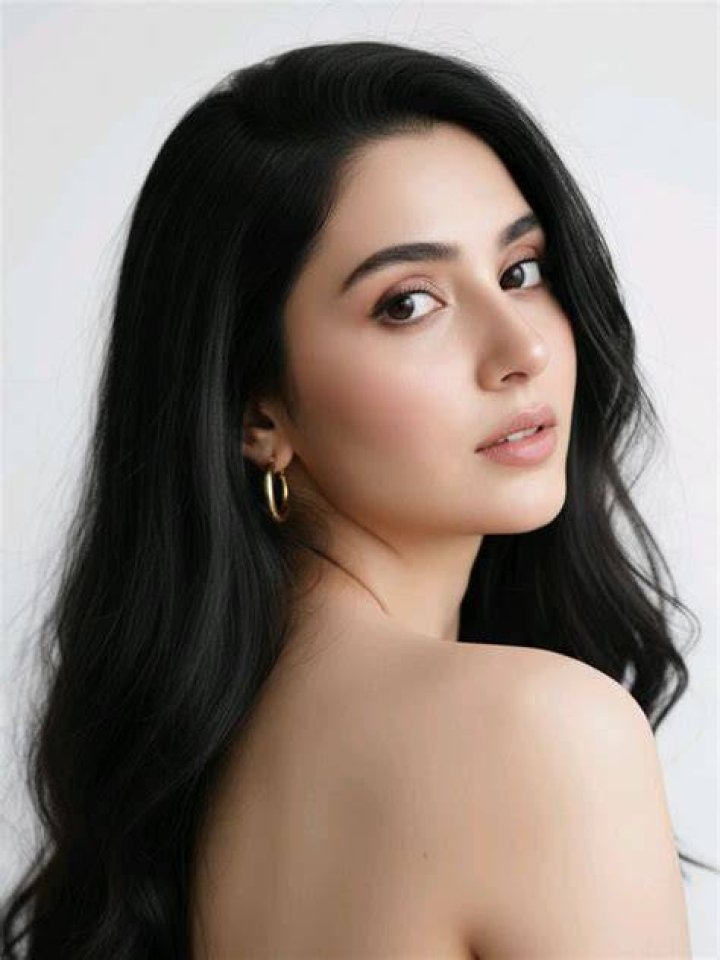
The content ranges dramatically. Some creators focus on fantastical self-portraits that reimagine themselves in different eras or artistic styles. Others explore social commentary through dystopian imagery or create visual stories that unfold across multiple posts. Fashion-forward creators use AI to design clothing that doesn't exist yet, while others generate architectural concepts that push physical boundaries.
Why Women Are Leading This Movement
Several factors explain why female creators have become prominent voices in TikTok's AI art scene. The platform's algorithm favors consistency and storytelling—two elements that many women creators excel at providing. Unlike traditional art forms that require expensive materials or years of technical training, AI art democratizes creative expression.
Many women report that AI tools allow them to realize visions they couldn't execute with conventional methods. A creator might imagine a specific aesthetic but lack oil painting skills or digital illustration expertise. AI bridges that gap, translating text descriptions into visual reality.
The community aspect also matters. Female AI artists on TikTok have formed supportive networks, sharing prompt engineering techniques, recommending tools, and collaborating on projects. This collaborative spirit contrasts with more competitive traditional art spaces, creating an environment where experimentation feels safe.
Technical Approaches and Popular Styles
TikTok women creating AI art employ various technical strategies depending on their goals. Some use simple mobile apps with preset styles, while others work with sophisticated desktop software that offers granular control over every aspect of image generation.
Prompt engineering has emerged as its own skill set. Successful creators understand how to craft detailed text descriptions that produce desired results. They've learned which keywords trigger specific artistic styles, how to control composition, and ways to maintain consistency across multiple generated images.
Popular aesthetic directions include:
- Ethereal fantasy portraits with elaborate costumes and dramatic lighting that evoke Pre-Raphaelite paintings
- Cyberpunk and sci-fi scenes featuring strong female characters in futuristic settings
- Historical reimaginings that place modern women in various time periods with period-accurate details
- Surrealist compositions that blend natural elements with impossible geometry
- Fashion visualization showing avant-garde designs and conceptual runway looks
- Mythological reinterpretations featuring goddesses and legendary figures with contemporary sensibilities
The Controversy and Criticism
Not everyone celebrates this trend. Traditional artists have raised concerns about AI models trained on existing artwork without artist consent or compensation. The debate grows heated when discussing whether AI-generated images constitute "real" art or simply automated remixing of human creativity.
Copyright issues remain murky. Who owns an AI-generated image—the person who wrote the prompt, the company that created the AI model, or the thousands of artists whose work trained the algorithm? Legal frameworks haven't caught up with the technology, leaving creators in uncertain territory.
Some critics argue that TikTok's AI art trend promotes superficial engagement with creativity. They suggest that reducing art-making to typing prompts devalues the skill, practice, and artistic vision developed through years of study. Others counter that this argument mirrors historical resistance to photography, digital art, and every technological advancement that disrupted established creative hierarchies.
Female creators face additional scrutiny. When women achieve visibility in any digital space, they often encounter dismissive commentary suggesting their success stems from appearance rather than talent. AI art communities aren't immune to this pattern, though many creators address it directly in their content.
Commercial Opportunities and Monetization
The popularity of AI art on TikTok has created income streams for savvy creators. Some sell their generated images as digital prints or physical merchandise. Others offer prompt engineering tutorials, teaching followers how to achieve specific effects or styles.
Brand partnerships have emerged as AI art gains mainstream acceptance. Companies looking to appear innovative collaborate with AI artists for marketing campaigns, product launches, and social media content. These deals can be lucrative, especially for creators with substantial followings and distinctive visual styles.
NFT marketplaces initially seemed like natural venues for AI art, but that market's volatility has made it less attractive than direct sales through platforms like Etsy, Redbubble, or personal websites. Many creators now focus on building email lists and selling directly to their audiences rather than relying on speculative crypto markets.
Impact on Traditional Art Communities
TikTok's AI art movement is reshaping conversations in traditional art spaces. Galleries and museums are beginning to exhibit AI-generated work, though often with extensive curatorial context about the technology and process involved.
Art schools are grappling with how to incorporate AI tools into curricula. Some programs now teach prompt engineering alongside drawing and painting, treating it as another medium students should understand. Others resist, viewing AI as a threat to foundational artistic skills.
The accessibility of AI art creation has sparked interest in visual creativity among people who never considered themselves artists. Women who might have felt excluded from traditional art communities find TikTok's AI scene more welcoming, leading to increased participation across demographics.
Future Developments and Predictions
The technology continues evolving rapidly. New AI models offer better prompt interpretation, more consistent character generation, and finer control over stylistic elements. Mobile apps are becoming more sophisticated, closing the gap between phone-based and desktop AI art creation.
Video generation represents the next frontier. Several AI platforms now create short animated clips from text prompts, and TikTok creators are already experimenting with these tools. The ability to generate moving images could transform the platform's AI art scene entirely.
Regulation seems inevitable. As AI art becomes more commercially significant, governments will likely establish clearer copyright frameworks, usage rights, and disclosure requirements. How these regulations develop will significantly impact creators who've built careers around AI-generated content.
Frequently Asked Questions
Is AI art on TikTok considered real art?
This question sparks intense debate. Supporters argue that AI art requires creative vision, technical understanding, and aesthetic judgment—all elements of traditional art-making. Critics contend that prompting an algorithm differs fundamentally from creating with your hands. Most working artists view AI as a tool, similar to Photoshop or digital cameras, that can be used with varying degrees of skill and intentionality. The "real art" question often reveals more about our assumptions regarding creativity, labor, and authenticity than about the images themselves.
Can you make money creating AI art on TikTok?
Yes, though success requires more than just generating images. Profitable creators typically build engaged audiences through consistent posting, distinctive styles, and authentic engagement with followers. Revenue comes from various sources: selling prints and digital downloads, offering tutorials and courses, securing brand partnerships, creating custom AI art on commission, and licensing images for commercial use. The TikTok Creator Fund provides some income, but most successful AI artists diversify across multiple platforms and income streams rather than relying solely on TikTok's monetization features.
What tools do TikTok women use to create AI art?
The toolkit varies based on budget, technical expertise, and desired output quality. Popular choices include Midjourney for high-quality, imaginative imagery; DALL-E for precise prompt interpretation; Stable Diffusion for maximum customization and control; and mobile apps like Wombo Dream, Starryai, and Fotor for convenient creation on phones. Many creators use multiple tools depending on the project. Some combine AI-generated elements with traditional digital editing in Procreate or Photoshop, creating hybrid works that blend algorithmic and human creativity. Free tools attract beginners, while established creators often invest in paid subscriptions for commercial licensing rights and premium features.
Final Thoughts
Women creating AI art on TikTok represent more than a passing trend. They're part of a fundamental shift in how visual content gets made, shared, and valued. Whether this movement represents democratization of creativity or dilution of artistic skill depends largely on perspective.
What's undeniable is the energy and innovation these creators bring to digital spaces. They're not waiting for permission from traditional gatekeepers. Instead, they're building audiences, developing new techniques, and pushing AI tools in unexpected directions. As technology advances and cultural attitudes evolve, today's TikTok AI artists may be remembered as pioneers who helped define 21st-century creativity during its most transformative period.