What Is a Product? Definition, Types, and How They Shape Markets
 James Holden
 Every transaction you make involves a product. That morning coffee, the streaming service you binged last night, even the insurance policy protecting your car—all products. But what exactly makes something a product? The answer goes far beyond the simple exchange of money for goods.
A product is anything offered to a market that satisfies a want or need. This broad definition encompasses physical items you can touch, digital downloads that exist only as data, and intangible services performed by people or systems. Understanding products means grasping how businesses create value and how consumers make choices that shape entire economies.
The Core Definition of a Product
At its heart, a product represents a solution. Businesses identify problems or desires in the market, then develop offerings to address them. A smartphone solves communication needs. A vacation package fulfills relaxation desires. Accounting software tackles business organization challenges.
Marketers often describe products in three distinct levels. The core product is the fundamental benefit—a drill provides holes, not the tool itself. The actual product includes features, design, quality, and branding that make one drill different from another. The augmented product adds services like warranties, customer support, and delivery options that complete the experience.
This layered view explains why two seemingly identical products can command vastly different prices. One company might sell a basic hammer while another offers a lifetime-guaranteed tool with ergonomic design and free replacement—same core benefit, entirely different actual and augmented products.
Physical Goods vs Services vs Digital Products
Products fall into broad categories that behave quite differently in markets.
Tangible Goods
Physical products dominate traditional retail. Cars, clothing, furniture, groceries—items you can see, touch, and store. These products require manufacturing, warehousing, and logistics systems to reach consumers. They depreciate over time, can be resold, and often need maintenance or replacement.
Durable goods last years or decades. Refrigerators, bicycles, and jewelry fall here. Non-durable goods get consumed quickly—food, cosmetics, cleaning supplies. This distinction matters for businesses planning inventory and for consumers budgeting purchases.
Services
Services are intangible products. You can't hold a haircut, store a consulting session, or wrap up a dental cleaning. Services happen in real-time and often require direct interaction between provider and customer. Quality varies because human performance fluctuates. A restaurant meal one night might not match the next visit, even from the same kitchen.
Pure services include education, healthcare, legal advice, and entertainment performances. Many offerings blend goods and services—a restaurant serves food (goods) through wait staff (service). This hybrid nature creates unique marketing challenges.
Digital Products
Software, ebooks, online courses, music files, and mobile apps represent the fastest-growing category. Digital products cost almost nothing to reproduce and distribute. One developer can sell millions of copies without manufacturing or shipping expenses. This scalability has transformed business models across industries.
Subscription services like Netflix or Spotify blur the line between products and ongoing relationships. Customers don't own content—they rent access. This shift from ownership to access has redefined value in the digital age.
Consumer Products vs Business Products
Who buys a product fundamentally changes how companies design, price, and sell it.
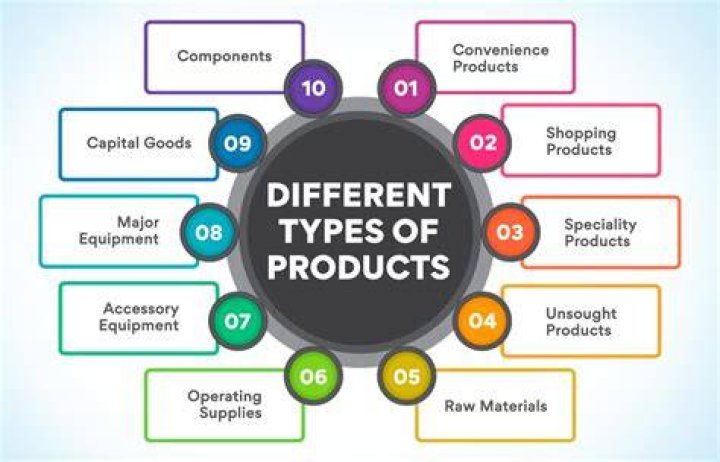
Consumer products target individual buyers for personal use. These divide further into convenience products (grabbed without much thought—chewing gum, newspapers), shopping products (compared carefully—furniture, clothing), specialty products (sought specifically—luxury watches, gourmet ingredients), and unsought products (bought only when needed—funeral services, insurance).
Business products serve organizational needs. Raw materials become part of manufactured goods. Equipment keeps operations running. Supplies get consumed in daily business. Professional services support specialized needs. A construction company buying cement uses it differently than a homeowner would, expecting bulk pricing, delivery coordination, and credit terms.
The Product Lifecycle
Products aren't static. They move through predictable stages that dictate business strategy.
Introduction brings a product to market. Sales start slowly as awareness builds. Companies spend heavily on marketing and often lose money initially. Early adopters try the product while most consumers wait to see how it performs.
Growth accelerates sales rapidly. Competitors notice success and enter the market. Prices may drop as production scales up. Profits peak as revenue climbs faster than costs. The product gains mainstream acceptance.
Maturity sees sales plateau. Most potential customers have already bought in. Competition intensifies as multiple brands fight for market share. Companies focus on differentiation and customer retention rather than acquisition. Profits remain strong but growth slows.
Decline arrives when sales fall. New technologies, changing preferences, or better alternatives steal customers. Some companies exit the market while others milk remaining profits. A few might reinvent the product to restart the cycle.
Vinyl records went through decline as CDs dominated, then experienced revival as niche enthusiasts drove a comeback. Not every product follows the same timeline—some linger in maturity for decades while others rush through all stages in months.
What Makes a Successful Product
Creating something people actually want proves harder than it sounds. Thousands of new products fail annually because they miss crucial elements.
The best products solve real problems elegantly. They work reliably, deliver clear value, and fit naturally into customers' lives. Price matches perceived worth. Quality meets or exceeds expectations. Design appeals to the target audience.
Market timing matters enormously. Launch too early and customers aren't ready. Launch too late and competitors own the space. The original iPad succeeded partly because smartphones had already taught consumers to use touchscreens, making tablets feel familiar rather than alien.
Strong products often create ecosystems. Apple doesn't just sell phones—it offers a connected universe of devices, services, and accessories that work together seamlessly. This integration builds loyalty and makes switching to competitors painful.
Product Development Process
Bringing new products to market follows a structured path, though execution varies wildly by industry and company size.
Ideas come from customer feedback, employee suggestions, competitive analysis, or technological breakthroughs. Companies generate hundreds of concepts knowing most won't survive scrutiny.
Screening eliminates weak ideas quickly. Does it fit our capabilities? Can we make money? Will customers care? This stage kills most concepts before significant resources get invested.
Development builds working prototypes. Engineers solve technical challenges. Designers refine user experience. Marketers test positioning messages. Costs become clearer as concepts become reality.
Testing exposes products to real users in controlled environments. Beta programs, focus groups, and limited releases reveal flaws before full launch. Smart companies listen carefully and make changes, even if it delays release.
Launch introduces the product broadly. Marketing campaigns create awareness. Sales channels stock inventory. Customer service prepares for questions. Success requires coordination across every business function.
Product Pricing Strategies
Setting prices involves art and science. Too high and sales suffer. Too low and profits vanish or customers question quality.
Cost-plus pricing adds a markup to production expenses. Simple but ignores what customers will pay. Value-based pricing charges according to perceived worth—concert tickets in the front row cost far more than production costs justify because the experience is more valuable.
Penetration pricing starts low to grab market share quickly, then raises prices after establishing position. Premium pricing sets high prices to signal luxury and exclusivity. Psychological pricing uses tricks like $9.99 instead of $10 to influence perception.
Dynamic pricing changes constantly based on demand, competition, or customer behavior. Airlines pioneered this—same seat, different prices depending on when you book and who's buying.
Product Packaging and Branding
The container and visual identity aren't afterthoughts. They communicate value, protect contents, and influence purchase decisions instantly.
Effective packaging catches attention on crowded shelves, explains benefits clearly, and feels right in customers' hands. Sustainable materials increasingly matter as environmental consciousness grows. Unboxing experiences have become marketing tools as customers share opening videos online.
Brands transform commodities into differentiated products. Bottled water all comes from similar sources, but branding convinces consumers one is worth triple another's price. Strong brands build trust, command premium prices, and survive product failures that would destroy unknown names.
Product Innovation and Improvement
Markets never stand still. Continuous improvement keeps products relevant as tastes change and technology advances.
Incremental innovation makes gradual enhancements. Faster processors, better battery life, new color options. These updates maintain competitiveness without reinventing the core offering.
Disruptive innovation creates entirely new categories or business models. Netflix disrupted video rental stores. Smartphones disrupted cameras, GPS devices, and portable music players simultaneously. Established companies often miss disruptions because their current products still sell well—until suddenly they don't.
Customer feedback drives many improvements. Companies that listen and adapt thrive. Those that ignore users eventually get replaced by competitors who pay attention.
Common Product Mistakes
Even experienced companies make predictable errors that doom products.
Building something nobody wants tops the list. Entrepreneurs fall in love with their ideas without validating market demand. Features pile up without solving actual problems. The result is impressive technology that sits unsold.
Poor positioning confuses potential buyers. If customers can't quickly understand what a product does and why they need it, they move on. Complex explanations signal weak product-market fit.
Ignoring competition leads to rude awakenings. Companies that assume their product is so good competitors don't matter get outmaneuvered by rivals who study the market carefully.
Inadequate testing releases buggy, frustrating products that damage reputations. Rushing to market before working out major issues costs more in lost customers than delayed launches ever would.
The Future of Products
Several trends are reshaping what products look like and how they reach consumers.
Personalization tailors products to individual preferences using data and flexible manufacturing. Mass customization lets customers configure products to their exact specifications at near-mass-production prices.
Sustainability pressures companies to reduce environmental impact. Products made from recycled materials, designed for repair rather than disposal, and supported by take-back programs appeal to conscious consumers.
Smart products connect to the internet, collecting data and updating themselves. Thermostats learn your schedule. Cars receive over-the-air software updates. This connectivity transforms one-time purchases into ongoing relationships.
Service-fication converts traditional products into subscription services. You don't buy software—you subscribe monthly. Some car companies now offer subscriptions instead of purchases, including maintenance and insurance in one payment.
Understanding Products Means Understanding Markets
Products sit at the center of economic activity. They represent how businesses create value and how consumers satisfy needs. Every product choice reflects underlying psychology, market forces, and technological capabilities.
Whether you're building products, selling them, or simply buying them, understanding how they work provides insight into how modern markets function. The simple transaction of exchanging money for something useful contains layers of strategy, innovation, and human behavior that shape our world daily.
From the smallest impulse purchase to the largest industrial equipment order, products drive economies forward. They employ millions, inspire innovations, and occasionally change how we live. That's quite a lot of impact for something we often take for granted.