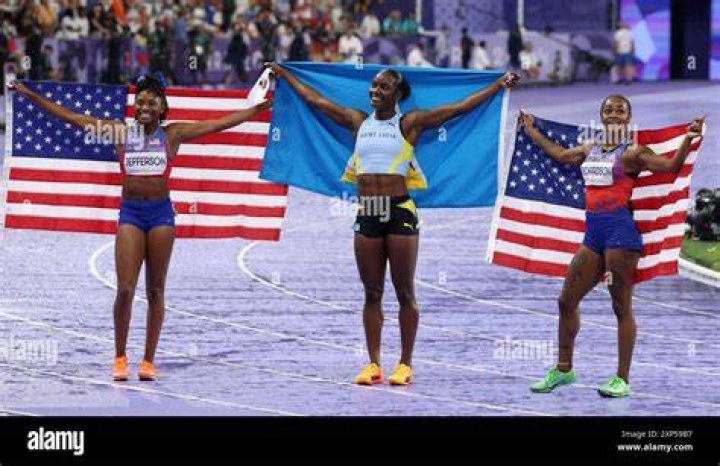
Women's 100 Meter Dash Championship Meme Explained
 Andrew Patterson
Track and field competitions have always produced memorable moments, but few have captured the internet's imagination quite like the women's 100 meter dash championship meme. What started as an athletic competition transformed into a viral sensation that spread across social media platforms, spawning countless variations and becoming part of digital culture. The phenomenon showcases how sports moments can transcend their original context and become shared experiences that unite people through humor and creativity.
The meme typically features freeze-frames, reaction shots, or dramatic moments from women's sprint championships, often highlighting the intensity of competition, facial expressions during races, or celebration reactions. These images and videos get repurposed with captions that apply the competitive energy to everyday situations, making elite athletic performance relatable to common life experiences. It's a perfect example of how internet culture reimagines sports content.
Origins of the Viral Phenomenon
The women's 100 meter dash championship meme emerged from various track and field events where female sprinters demonstrated extraordinary athleticism. Major championships like the World Athletics Championships and Olympic Games provided the source material. High-definition cameras capture every fraction of a second during these races, freezing moments of determination, surprise, or triumph that viewers find compelling beyond the athletic context.
Social media users quickly recognized the meme potential in these images. A sprinter's focused expression at the starting blocks became a metaphor for Monday morning determination. The moment of crossing the finish line represented achieving any goal. The disappointed look of narrowly missing a medal? That's everyone checking their bank account after the weekend.
What makes these memes particularly effective is the genuine emotion captured in competition. Unlike staged photos, these athletes are experiencing real pressure, real triumph, and real disappointment. That authenticity resonates with audiences who see their own struggles reflected in these world-class performances.
Most Viral Moments and Variations
Several specific moments from women's sprint championships became meme templates that circulated widely. The starting block stance, where runners are coiled with intense concentration, gets paired with captions about preparing for challenging tasks. "Me getting ready to send that email I've been avoiding for three weeks" might accompany such an image.
Mid-race photos showing the strain and effort of sprinting at maximum velocity often illustrate everyday struggles. These get captioned with scenarios like "Running to the bathroom during a commercial break" or "Rushing to catch the train." The exaggerated effort visible on the athletes' faces creates humorous contrast with mundane situations.
Victory celebrations provide another rich source. The joy and relief of winning becomes applicable to small personal victories. Finishing a work project, finding your keys, or successfully parallel parking might warrant such celebration according to meme logic.
Side-by-side comparisons became popular too. One panel shows a runner at the start, labeled "Me at the beginning of the week." The second shows an exhausted athlete after finishing, labeled "Me on Friday afternoon." This format proved endlessly adaptable to different weekly cycles and timeframes.
Cultural Impact and Social Media Reach
The women's 100 meter dash championship meme spread across multiple platforms, each adapting the content to their specific format. Twitter users created quick-hit jokes with single images. Instagram saw carousel posts comparing different race moments to stages of various experiences. TikTok creators added audio tracks and sound effects to race footage, creating new layers of comedy.
The meme format helped bring attention to women's track and field, introducing athletes to audiences who might not regularly follow the sport. Many viewers became curious about the actual competitions after encountering the memes, leading them to watch full races and learn athletes' names. This represented an unexpected promotional benefit for a sport that often struggles for mainstream media coverage outside Olympic years.
Athletes themselves often engaged with the memes, sharing favorites or creating their own versions. This interaction between sports stars and their meme'd moments created a feedback loop that sustained interest. When the subjects of memes participate in the joke, it validates the humor and encourages further creativity.
Why Sprint Competitions Work as Memes
Several factors make women's 100 meter dash content particularly meme-worthy. The race duration itself plays a role. At roughly ten seconds of actual competition, every moment is intense and photographable. There's no downtime, no slow build. Just pure, concentrated effort that cameras capture in sharp detail.
Facial expressions during sprinting are naturally dramatic. The human face contorts under extreme physical exertion in ways that appear exaggerated but are completely authentic. These expressions translate well to humor because they're so visceral and recognizable as representing maximum effort.
The starting position provides iconic imagery too. Runners in the blocks, fingers pressed to the track, bodies compressed like springs—it's instantly recognizable as preparation for explosive action. That visual metaphor works for countless situations requiring sudden effort or focus.
High-quality sports photography also matters. Professional cameras shooting at thousands of frames per second catch moments invisible to real-time viewing. These freeze-frames reveal details that make perfect meme material, from individual muscle tension to precise expressions that last milliseconds.
Comparing Different Athletic Meme Formats
Track and field isn't the only sport that generates memes, but sprint memes have distinct characteristics. Unlike team sports where context matters heavily, an individual runner's expression or position needs little explanation. You don't need to understand the rules or follow the season to appreciate the image.
Swimming and gymnastics produce similar individual athletic moments, but they lack the universal relatability of running. Everyone has run at some point, even if not at elite speeds. The experience of pushing your body to move faster connects with audiences more directly than specialized athletic movements.
Ball sports often create memes around game situations or player interactions rather than pure athletic effort. A basketball player's surprised face after an unexpected play differs from a sprinter's expression of maximum exertion. Both work as memes, but they tap into different emotional registers.
The Role of Women Athletes in Meme Culture
The specific focus on women's sprint championships in meme culture reflects broader trends in sports media consumption. Women's sports have historically received less coverage than men's, but social media has democratized access to athletic content. Viral moments can emerge from any competition if the content resonates with audiences.
Female sprinters have embraced their meme status differently than some might expect. Rather than seeing it as trivializing their achievements, many athletes appreciate the exposure and engagement. The memes often celebrate their intensity and competitive spirit rather than mocking them.
This differs from earlier eras when female athletes might have been subjected to appearance-focused commentary. Modern meme culture around women's sprinting focuses on the athletic performance itself, the determination, the speed, the competition. It's a shift toward appreciation of women's sports on their athletic merits.
Creating and Sharing Sprint Memes
Making your own women's 100 meter dash championship meme requires finding the right source image or video. Major championships are broadcast globally, and highlights circulate on official athletics social media accounts. Screenshots from these broadcasts often become meme templates.
The caption matters as much as the image. Successful memes connect the athletic moment to a widely relatable experience. Specificity helps—rather than generic "working hard" captions, references to particular situations create stronger connections. "Me pretending to look busy when the boss walks by" lands better than "Me at work."
Timing affects meme spread too. Posting during or immediately after major championships catches attention when interest peaks. But the templates remain useful year-round for evergreen humor about effort, competition, and achievement.
Respect for the athletes should guide meme creation. The best versions celebrate athletic excellence while drawing humorous parallels to everyday life. Content that mocks athletes rather than appreciating them while adding humor generally receives less positive engagement.
Frequently Asked Questions
What makes the women's 100 meter dash championship meme different from other sports memes?
The women's 100 meter dash championship meme stands out because of its universal relatability and visual impact. Sprint races capture pure human effort in its most concentrated form, creating expressions and body language that translate perfectly to everyday struggles. Unlike sport-specific memes requiring inside knowledge, anyone who's ever rushed somewhere or pushed themselves physically can connect with these images immediately.
Do athletes mind being turned into memes?
Most athletes respond positively to becoming memes, often sharing their favorites on personal social media accounts. Many see it as bringing attention to women's track and field while celebrating their competitive intensity. The memes typically focus on athletic excellence and determination rather than mockery, making them more acceptable to the athletes featured. Some sprinters have even referenced their meme status in interviews with good humor.
Where can I find original footage from women's sprint championships?
Official sources include World Athletics social media channels, Olympic broadcasting archives, and major sports networks that cover track and field. Championship footage appears on YouTube, with many races available in full. Social media platforms like Instagram and Twitter feature highlight clips from competitions. For the highest quality images that become meme templates, official photography from events often circulates after major championships.
Impact on Track and Field Viewership
The meme phenomenon has had measurable effects on how people engage with women's track and field. Social media metrics show increased interest in sprint events, with race videos gaining views from audiences who might never have sought out track content otherwise. Athletes' follower counts often jump after their moments go viral.
This attention doesn't always translate directly to television viewership or ticket sales, but it builds cultural awareness. When the next major championship arrives, more people recognize athletes' names and faces. That familiarity matters for a sport competing for attention in a crowded entertainment landscape.
Younger audiences especially discover track and field through memes before watching competitions formally. This pathway into sports viewership represents a shift from traditional media introduction. The meme comes first, sparking curiosity that leads to seeking out actual races.
Final Thoughts
The women's 100 meter dash championship meme represents more than just internet humor. It's a cultural bridge between elite athletics and everyday experiences, making world-class performance relatable while showcasing the intensity and excellence of female sprinters. These memes have introduced countless people to track and field, creating new audiences for a sport that deserves wider recognition. As long as athletes continue pushing human limits and cameras capture those extraordinary moments, the meme format will keep evolving, finding new ways to connect championship-level effort with the universal experience of trying your hardest at whatever challenges you face. That's something worth celebrating.