Jayson Tatum Back Tattoo: Story Behind the NBA Star's Iconic Ink
 Matthew Wilson
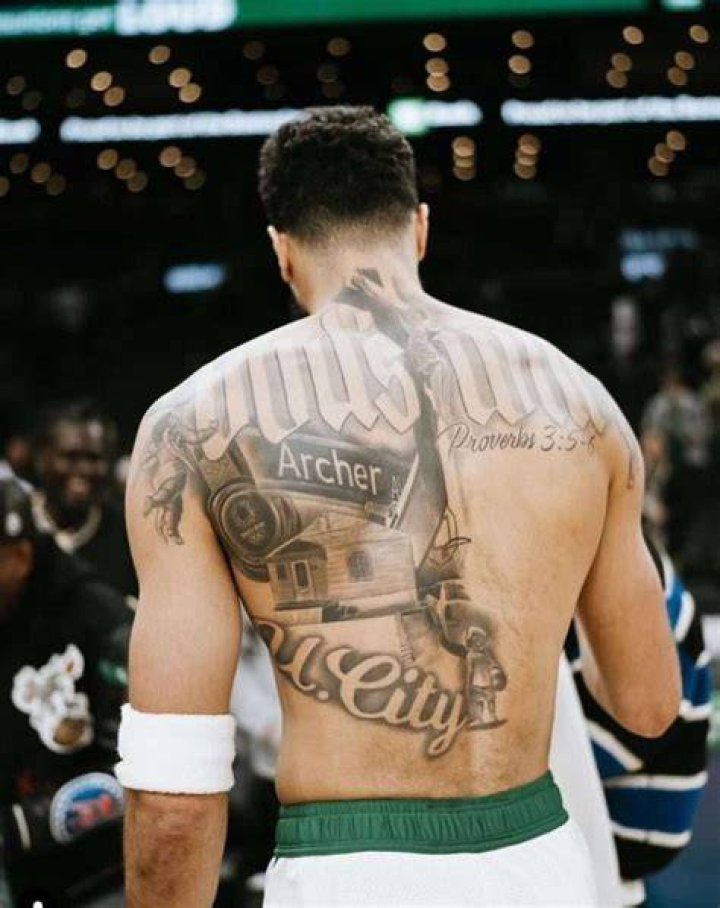
Jayson Tatum's back tattoo became one of the most talked-about pieces of body art in professional basketball. The Boston Celtics forward unveiled an enormous design that covers most of his upper back, sparking immediate reactions across social media platforms. Fans and critics alike dissected every element of the intricate artwork, which represents a deeply personal chapter in the NBA star's life.
The tattoo depicts Tatum holding his son Deuce, creating an emotional portrait that celebrates fatherhood. But the design itself caught attention for reasons beyond its sentiment. The artistic execution and sheer scale of the piece generated conversations that extended far beyond basketball courts, turning Tatum's body art into a cultural moment that blended sports, art, and personal expression.
The Design and Its Meaning
Tatum's back tattoo centers on an image of himself cradling his son, Jayson Christopher Tatum Jr., affectionately known as Deuce. The piece spans from his shoulders down to his mid-back, created in black and gray ink with heavy shading techniques. The portrait style aims to capture the bond between father and son, a relationship Tatum frequently showcases on social media and during post-game interviews.
The artwork includes intricate details meant to convey protection and legacy. Tatum became a father at 19 years old, and Deuce has been a constant presence throughout his NBA journey. The tattoo serves as a permanent declaration of that relationship. While some observers praised the sentiment, others questioned the artistic execution, particularly the proportions and facial rendering within the design.
Beyond the central image, the tattoo incorporates symbolic elements that reflect Tatum's personal philosophy. The size alone makes a statement—this isn't subtle ink hidden away. It's a bold declaration positioned where teammates, opponents, and cameras can see it during games when Tatum removes his jersey.
The Artist and Creation Process
The tattoo was created by a professional artist whose work has appeared on several professional athletes. These large-scale portrait pieces typically require multiple sessions, sometimes spanning 15 to 20 hours of total work. The process involves careful planning, stenciling, and execution across several appointments to allow for healing between sessions.
Portrait tattoos present unique challenges. Capturing facial features and emotional expressions in skin requires exceptional technical skill. The artist must account for how ink settles, how skin stretches and ages, and how lighting will affect the appearance of the finished piece. Black and gray realism—the style used for Tatum's back tattoo—demands precise shading gradients and careful attention to contrast.
Tatum likely consulted with the artist for weeks before the first needle touched skin. Reference photos, sizing discussions, and placement considerations all factor into creating a piece this significant. The back provides an ideal canvas for large-scale work, offering relatively flat surfaces and minimal distortion from muscle movement.
Public Reaction and Social Media Response
When images of Jayson Tatum's back tattoo first circulated online, reactions split dramatically. Supporters celebrated the tribute to fatherhood and the courage to wear such personal imagery publicly. Detractors focused on artistic critiques, with some social media users creating memes and edited versions of the design.
The conversation highlighted broader discussions about tattoo culture in professional sports. NBA players have increasingly embraced body art as personal expression, with stars like LeBron James, Kevin Durant, and Damian Lillard sporting extensive collections. What makes athletes' tattoos particularly visible is the nature of basketball uniforms—sleeveless jerseys and shorts leave considerable skin exposed during nationally televised games.
Twitter and Instagram exploded with commentary within hours of the photos emerging. Some fans defended Tatum's choice, arguing that personal meaning matters more than outside opinions about artistic quality. Others suggested the piece might benefit from additional work or touch-ups. The debate underscored how public figures' personal choices become communal talking points in the social media age.
Tattoo Culture in Professional Basketball
The NBA's relationship with tattoos has evolved dramatically over decades. Allen Iverson helped normalize visible body art in basketball during the late 1990s and early 2000s, facing criticism that eventually gave way to acceptance. Today, an estimated 70% of NBA players have at least one tattoo, with many sporting extensive collections that tell personal stories.
Players use ink to commemorate achievements, honor lost loved ones, celebrate cultural heritage, and mark significant life moments. Championship dates, jersey numbers, biblical verses, and portrait tributes appear frequently. The visibility of these tattoos during games makes them part of players' public identities, whether they intend that or not.
Tatum joins a tradition of players who've chosen their backs as canvases for major pieces. The location offers advantages: it's easily covered for formal events but clearly visible during games. It's also less subject to the stretching and distortion that arm and leg tattoos might experience from athletic movement.
The Cost and Commitment
A back piece of this scale typically costs anywhere from $5,000 to $15,000 or more, depending on the artist's reputation and the design's complexity. Elite tattoo artists who work with professional athletes often command premium rates, and waiting lists for their services can extend months or years.
The financial investment represents just one aspect of commitment. Pain tolerance becomes crucial for pieces requiring 15-plus hours of work. The back includes areas of varying sensitivity, with the spine and shoulder blade regions particularly uncomfortable for extended sessions. Professional athletes often schedule tattoo appointments during off-season periods to avoid any potential impact on performance or healing complications.
Aftercare demands discipline. Fresh tattoos require specific cleaning routines, moisturizing schedules, and protection from sun exposure. For an athlete who sweats heavily during training and games, managing the healing process requires extra attention to prevent infection and ensure proper ink settling.
Personal Expression vs. Public Scrutiny
Jayson Tatum's back tattoo raises questions about where personal expression meets public criticism. As a max-contract NBA player with endorsement deals and massive social media following, Tatum exists in a space where private decisions become public conversations. The tattoo wasn't meant for public consumption in the traditional sense—it's on his back, after all—yet photographs inevitably circulate.
Athletes face unique pressures regarding appearance. Their bodies are their careers, scrutinized for performance indicators, injury concerns, and aesthetic judgments. Tattoos add another layer to that examination. Some fans view body art as authentic self-expression that makes players more relatable. Others see it as unprofessional or distracting.
Tatum has not extensively addressed critiques of his back tattoo in media appearances. His social media presence continues to feature Deuce prominently, suggesting the tattoo's meaning remains personally significant regardless of outside opinions. This approach reflects a broader trend among younger athletes who prioritize personal authenticity over traditional image management.
Comparing Athlete Portrait Tattoos
Tatum's piece fits within a category of athlete portrait tattoos that includes varying degrees of artistic success. Odell Beckham Jr. has a detailed back piece featuring multiple portraits. LeBron James sports a large lion on his shoulder and bicep. DeAndre Jordan has an extensive back design incorporating family imagery.
Portrait tattoos succeed or fail based on technical execution. Getting facial proportions correct, capturing recognizable likenesses, and creating appropriate contrast all challenge even experienced artists. When these elements align, the results can be stunning. When they miss, the results can appear cartoonish or distorted, particularly as the tattoo ages and ink spreads slightly within the skin.
The permanence of tattoos means initial reactions may not reflect long-term satisfaction. Some athletes have returned for touch-ups, cover-ups, or additions that enhance original designs. Tattoo artistry has advanced significantly in recent years, with new techniques and equipment allowing for more detailed and longer-lasting work than previous generations experienced.
Frequently Asked Questions
What does Jayson Tatum's back tattoo represent?
Jayson Tatum's back tattoo features a portrait of him holding his son, Jayson Christopher Tatum Jr. (Deuce). The design represents his relationship with his son and his role as a father, which Tatum has consistently described as the most important aspect of his life. The tattoo covers much of his upper back and was created in black and gray portrait style, intended as a permanent tribute to fatherhood and family legacy.
Who tattooed Jayson Tatum's back?
While the specific artist's name has been referenced in various social media posts, Tatum worked with a professional tattoo artist who specializes in portrait work and has experience with professional athletes. Large-scale portrait pieces like this require specialized skills in realism, shading, and anatomical proportion. The creation process likely involved multiple sessions totaling 15-20 hours of work to complete the detailed design.
Why did people criticize Jayson Tatum's tattoo?
Criticism of Jayson Tatum's back tattoo focused primarily on artistic execution rather than the sentiment behind it. Some observers felt the proportions appeared off or that certain facial features didn't capture a realistic likeness. Social media amplified these critiques, with users creating memes and edited versions. However, many fans defended the tattoo, emphasizing that personal meaning and Tatum's satisfaction with the piece matter more than outside aesthetic judgments.
How much did Jayson Tatum's back tattoo cost?
While Tatum hasn't publicly disclosed the exact cost, a back piece of this size and detail typically ranges from $5,000 to $15,000 or more. Elite tattoo artists who work with professional athletes often charge premium rates, and the multiple sessions required for such intricate work add to the total investment. For athletes of Tatum's financial standing, the cost represents a relatively minor expense compared to the personal significance of the piece.
Final Thoughts
Jayson Tatum's back tattoo tells a story that extends beyond the ink itself. It reflects his priorities, his willingness to make bold personal statements, and the complex relationship between athletes and public perception. Whether praised or criticized, the tattoo has become part of Tatum's identity as both a basketball player and a public figure.
The conversation surrounding the piece highlights how tattoo culture has permeated professional sports and how social media instantly transforms personal choices into communal debates. For Tatum, the tattoo serves its intended purpose—a permanent reminder of his most important role, visible every time he looks over his shoulder. The opinions of strangers, however vocal, don't change what the image represents to him. That's perhaps the most important aspect of any tattoo: the meaning it holds for the person wearing it, regardless of how it appears to everyone else.