I Be Poppin Bottles Meme: Origins, Meaning and Cultural Impact
 Christopher Harper
The phrase "I be poppin bottles" has transcended its hip-hop origins to become one of the internet's most recognizable celebration memes. What started as a luxurious boast in early 2000s rap lyrics transformed into a versatile format for expressing excitement, achievement, or ironic humor across social media platforms. From genuine victories to hilariously mundane accomplishments, this meme captures a specific type of celebratory energy that resonates with millions.
The meme typically features images or videos paired with variations of the phrase, often highlighting the contrast between the extravagant implications of "popping bottles" and whatever situation is actually being celebrated. This juxtaposition creates comedy while maintaining the infectious enthusiasm that made the original phrase memorable. Understanding this meme requires looking back at its musical roots and tracing how internet culture adapted it for a new generation.
The Hip-Hop Origins Behind the Phrase
The expression "poppin bottles" emerged from hip-hop culture in the mid-2000s as a symbol of success and celebration. The phrase refers to opening champagne bottles, particularly expensive brands like Cristal or Dom Pérignon, which became status symbols in rap music. Artists used this imagery to communicate wealth, achievement, and the party lifestyle associated with making it in the music industry.
Several songs helped popularize the phrase. The Game's "Wouldn't Get Far" (2005) featuring Kanye West included references to bottle service and club culture. Lil Wayne and Birdman's collaboration frequently mentioned champagne celebrations. But the phrase reached peak mainstream recognition through various club anthems of the late 2000s that made bottle service and VIP culture part of popular vocabulary.
The grammatical construction "I be" instead of standard "I am" reflects African American Vernacular English (AAVE), specifically the habitual be that indicates ongoing or repeated actions. This linguistic feature adds authenticity to the phrase and connects it to its cultural origins. The meme preserves this language pattern, maintaining its connection to hip-hop even as it spreads across different communities.
How the Meme Evolved on Social Media
The transition from song lyric to meme format happened gradually as social media platforms grew. Twitter users began applying the phrase ironically to everyday situations around 2010-2012. Someone might post "I be poppin bottles" after successfully microwaving leftovers without incident or finding a parking spot. The humor comes from applying extravagant celebration language to mundane victories.
Image macros accelerated the meme's spread. Popular formats include:
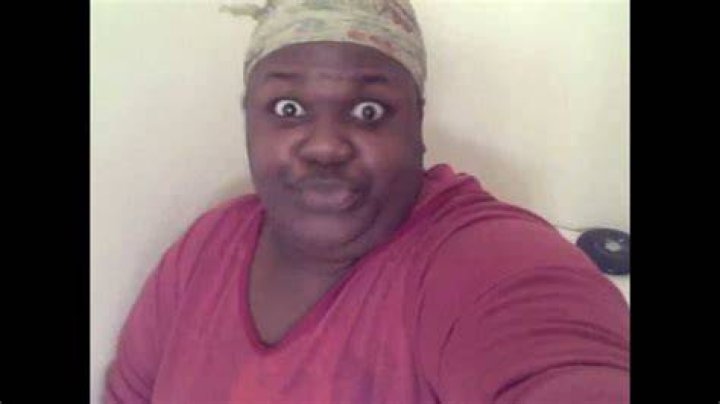
- Photos of people in exaggerated celebration poses with the caption overlay
- Animals appearing to celebrate, particularly cats or dogs in silly positions
- Screenshots from movies or TV shows showing characters in triumphant moments
- Before-and-after comparisons showing minor accomplishments treated as major wins
- GIFs from hip-hop music videos showing actual bottle-popping scenes used ironically
TikTok brought new life to the format starting around 2019. Creators use audio clips of songs containing the phrase while performing celebration dances or showcasing small victories. The platform's duet and stitch features allow users to build on each other's content, creating chains of increasingly absurd things worth "poppin bottles" over.
Common Variations and Usage Contexts
The meme adapts to countless situations. Students post it after passing exams or surviving finals week. Remote workers share it when their video call ends early or when they successfully troubleshoot tech issues. Parents use it ironically when children actually go to bed on time. The flexibility makes it endlessly reusable.
Some variations change the wording slightly while keeping the energy. "We poppin bottles tonight" suggests group celebration. "When you be poppin bottles" creates a relatable scenario format. "Time to pop bottles" serves as an announcement of impending celebration. Each variation maintains the core concept while allowing creative expression.
The meme also appears in marketing and brand communications. Companies use it to announce sales, product launches, or milestone achievements. This commercial adoption demonstrates how thoroughly the phrase has penetrated mainstream culture, though some view corporate usage as reducing its authenticity or humor.
The Psychology Behind Celebration Memes
Why does this particular meme resonate so strongly? Psychologists note that humans need to celebrate small wins to maintain motivation and mental health. The pressures of modern life mean genuine major achievements are rare for most people. Ironically celebrating minor victories with exaggerated language creates permission to feel good about everyday successes.
The contrast between the phrase's luxurious origins and mundane applications creates what humor researchers call incongruity—a primary source of comedy. Our brains find it funny when expectations clash with reality. Treating a successful grocery trip like winning a championship triggers this response.
Social media amplifies this by creating shared experiences. When someone posts about "poppin bottles" over finding their lost TV remote, others who've felt that exact relief recognize the feeling. The meme becomes a language for expressing emotions that might otherwise seem too trivial to share, building community through collective understanding of life's small frustrations and victories.
Cultural Appropriation Concerns and Discussions
The meme's spread across diverse communities has sparked conversations about cultural appropriation. Critics argue that when people disconnected from hip-hop culture use AAVE phrases purely for humor, it can trivialize the language and divorce it from its origins. The ironic usage particularly concerns some, as it may mock the authentic celebration the phrase originally represented.
Defenders counter that language naturally evolves and spreads, and that memes inherently transform original meanings. They point out that many Black creators participate enthusiastically in the meme's evolution and enjoy the ironic applications. The debate reflects broader discussions about how internet culture borrows, transforms, and sometimes misuses elements from specific communities.
Context matters significantly. Using the phrase while acknowledging its roots differs from treating it as meaningless internet slang. Some creators intentionally credit the hip-hop origins in their posts or use the meme in ways that honor rather than mock its cultural background. These nuanced approaches attempt to balance participation in internet culture with respect for source communities.
The Meme's Staying Power
Unlike many internet trends that flame out quickly, "I be poppin bottles" has shown remarkable longevity. Its flexibility explains much of this durability. The basic format adapts to new platforms, current events, and emerging trends without losing its core identity. As long as people need to celebrate small victories and enjoy ironic humor, the meme remains relevant.
The phrase also benefits from continued presence in music. Contemporary artists still reference popping bottles in songs, creating a feedback loop where new listeners discover the phrase through music while existing meme users recognize it in new contexts. This cross-pollination between music and internet culture keeps the reference fresh across generations.
Nostalgia plays a role too. For millennials who remember the phrase's musical heyday, using it carries a layer of fond reminiscence. Younger users discover it through meme culture and then explore its origins, creating intergenerational sharing that extends the meme's lifecycle beyond typical trends.
Frequently Asked Questions
Where did "I be poppin bottles" originally come from?
The phrase originated in hip-hop culture during the mid-2000s, referring to opening expensive champagne bottles as a celebration of success and wealth. Multiple artists used variations of the phrase in songs, making it part of popular music vocabulary before it became a meme format on social media platforms.
Why do people use the phrase ironically now?
Internet users began applying the extravagant celebration language to mundane everyday achievements as a form of humor. The contrast between the luxurious implications of popping champagne bottles and minor victories like finding car keys creates comedy through exaggeration. This ironic usage allows people to celebrate small wins with disproportionate enthusiasm.
Is it okay for everyone to use this meme?
This question involves ongoing cultural discussions. The phrase uses African American Vernacular English and comes from Black hip-hop culture. While memes naturally spread across communities, some argue that using AAVE phrases purely for humor without understanding their origins can be problematic. Being aware of the cultural context and using the phrase respectfully rather than mockingly represents a more thoughtful approach.
Final Thoughts
The "I be poppin bottles" meme demonstrates how phrases can travel from specific cultural origins into widespread internet usage while maintaining their essential character. Its journey from hip-hop celebration to ironic meme format reflects broader patterns in how digital culture absorbs, transforms, and redistributes language. The meme's persistence suggests it fills a genuine need—giving people a fun, recognizable way to acknowledge life's small victories and share relatable moments of triumph, no matter how minor. Whether used genuinely or ironically, the phrase continues connecting people through shared understanding of what deserves celebration, even when that celebration is wildly disproportionate to the actual achievement. That accessibility and flexibility will likely keep variations of this meme alive for years to come.