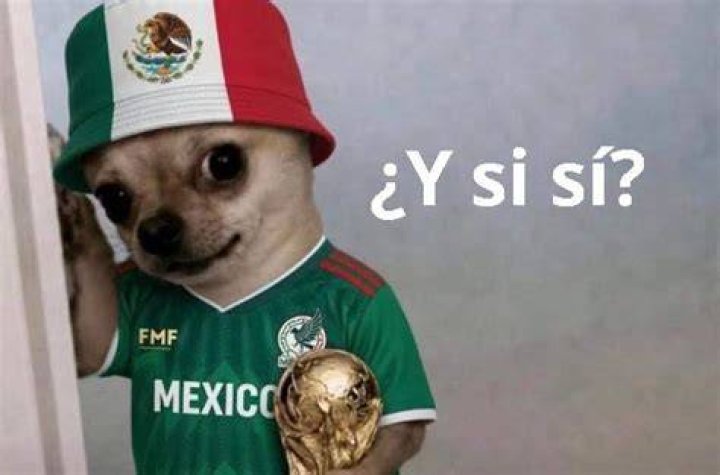
Y Si Si Mexico Meme: Origins, Meaning, and Why It Took Over the Internet
 Emma Martin
The internet has a peculiar way of turning ordinary moments into viral phenomena. One phrase that caught fire across social media platforms is "Y Si Si Mexico," a meme that combines humor, cultural identity, and the universal appeal of saying yes to questionable decisions. What started as a simple expression has morphed into a digital inside joke shared by millions, transcending language barriers and geographic boundaries.
This meme captures something fundamentally human: the moment when someone convinces you to do something you probably shouldn't, and you agree anyway. The phrase roughly translates to "What if, yes yes Mexico" in English, though the exact meaning depends heavily on context and tone. It's become shorthand for impulsive decisions, spontaneous adventures, and the kind of peer pressure that leads to memorable stories.
Where Did the Y Si Si Mexico Meme Come From
The origins of the y si si mexico meme trace back to Mexican internet culture, where playful linguistic expressions have long been a cornerstone of online humor. The phrase gained traction on platforms like TikTok, Twitter, and Instagram during 2023, when users began pairing it with videos showing people making questionable life choices or embarking on spontaneous adventures.
Mexican content creators were among the first to popularize the format. They used the phrase to caption videos of friends convincing each other to try extreme foods, take last-minute trips, or engage in harmless but ridiculous activities. The meme's appeal lies in its versatility—it works equally well for minor decisions like ordering extra tacos and major ones like booking a flight with rent money.
What sets this meme apart is its cultural specificity combined with universal relatability. While rooted in Mexican Spanish slang and social dynamics, the concept of being talked into something by enthusiastic friends transcends cultural boundaries. Non-Spanish speakers adopted the phrase, often without fully understanding the linguistic nuances, simply because the sentiment resonated.
Understanding the Linguistic Components
"Y si" means "what if" or "and if" in Spanish, serving as a proposition or suggestion. When someone says "y si," they're typically about to propose an idea, often one that's spontaneous or slightly risky. The repetition of "si" (yes) adds emphasis and enthusiasm, suggesting not just agreement but excited acceptance.
The addition of "Mexico" at the end serves multiple purposes. It acts as a cultural identifier, anchoring the phrase in Mexican identity and humor. It also functions as a kind of signature or stamp, similar to how internet users might add their location or nationality to make content feel more authentic and personal.
In practice, the phrase captures the moment between suggestion and action. Someone proposes an idea ("y si..."), and the response is enthusiastic agreement ("si si"), with "Mexico" serving as a playful declaration of cultural pride or simply a humorous addition that makes the phrase more memorable and shareable.
How the Meme Spread Across Social Media Platforms
TikTok served as the primary vehicle for the meme's explosive growth. Short-form videos paired the phrase with relatable scenarios: friends suggesting late-night food runs, spontaneous road trips, or impulsive purchases. The algorithm favored this content because it generated high engagement—people tagged friends in comments, creating viral loops.
Instagram and Twitter users adapted the format to their platforms. On Instagram, the phrase appeared in Reels and Stories, often with location tags from various Mexican cities. Twitter users employed it in quote tweets and replies, turning it into a response meme for any situation involving questionable decision-making or peer pressure.
The meme's flexibility allowed for countless variations. Some users applied it to serious life decisions, creating humorous contrast. Others used it for trivial choices, emphasizing the dramatic way people can treat minor decisions. Brands and influencers eventually caught on, incorporating the phrase into marketing content, though this commercialization received mixed reactions from the original community.
Cultural Significance and Mexican Internet Humor
Mexican internet culture has consistently produced viral content that blends Spanish language wordplay with visual humor. The y si si mexico meme fits into a larger tradition of Mexican memes that celebrate spontaneity, friendship, and a particular brand of lighthearted chaos. It reflects cultural values around social connection and the importance of saying yes to experiences, even imperfect ones.
This meme also highlights how younger generations use language. They mix Spanish and English, create new phrases, and develop inside jokes that become cultural markers. The phrase functions as a shibboleth—if you get it, you're part of the in-group. If you don't, you're missing out on a piece of contemporary Mexican digital culture.
Beyond Mexico, Spanish-speaking communities throughout Latin America adopted and adapted the meme. Each region added its own flavor, sometimes replacing "Mexico" with their own country names or keeping the original as a nod to its origins. This cross-cultural adoption demonstrates how internet culture can unite Spanish speakers across borders while maintaining local specificity.
Common Contexts and Usage Examples
People deploy the y si si mexico meme in various scenarios. Food-related content dominates, with videos showing friends convincing each other to order excessive amounts of street tacos, try extremely spicy challenges, or visit restaurants at questionable hours. The phrase captures the moment of surrender to culinary temptation.
Travel content represents another major category. Users share videos of spontaneous trip planning, last-minute flight bookings, or friends convincing each other to extend vacations. The meme acknowledges the financial irresponsibility while celebrating the adventure and memories created.
Shopping scenarios also feature prominently. Someone will film themselves being talked into buying something unnecessary, captioning it with the phrase. This self-aware humor about impulse purchases resonates with audiences who recognize their own shopping habits in the content.
Nightlife and social situations provide endless material. Videos show friends convincing each other to go out despite exhaustion, attend one more event, or stay out later than planned. The meme captures the social dynamics of friend groups and the peer pressure that leads to great stories.
Why This Meme Resonates With Audiences
The universal experience of being convinced to do something drives the meme's appeal. Everyone has friends who can talk them into questionable decisions. The phrase encapsulates that moment of weakness when logic gives way to enthusiasm or FOMO (fear of missing out).
There's an element of self-deprecating humor that makes the content relatable rather than boastful. Users aren't celebrating wise decisions—they're acknowledging their own impulsiveness with a wink and a smile. This vulnerability creates connection and encourages others to share their own similar experiences.
The linguistic playfulness adds another layer of appeal. Even people who don't speak Spanish can sense the rhythm and energy of the phrase. The repetition of "si" creates a musical quality that makes it fun to say and easy to remember. It's catchy in the same way that other viral phrases become earworms.
Cultural pride plays a role too. For Mexican and Mexican-American users, sharing content with this phrase becomes a way to celebrate their heritage and humor. It's a positive representation of Mexican culture that focuses on joy, friendship, and spontaneity rather than stereotypes.
Variations and Evolution of the Format
As with most successful memes, variations quickly emerged. Some users created "Y No No Mexico" content, showing times when they successfully resisted peer pressure. Others developed hybrid versions combining the phrase with other popular meme formats, creating layered references that rewarded internet-savvy audiences.
Video creators began adding more elaborate production values. Early versions were simple phone recordings, but later iterations included editing effects, music, and comedic timing that elevated the format. Some creators developed recurring characters or scenarios, building mini-series around the concept.
The phrase entered everyday conversation beyond meme contexts. Friends began using it in text messages and real-life interactions as shorthand for suggesting spontaneous plans. This transition from internet joke to actual linguistic expression marks a meme's maturation into cultural fixture.
Impact on Mexican Digital Culture and Content Creation
The meme's success has encouraged Mexican content creators to develop more culturally specific material. Rather than imitating trends from other countries, many creators now lead with Mexican identity and humor, confident that authentic content will find its audience both within and beyond Mexico.
Tourism has seen an indirect boost from this and similar memes. As Mexican internet culture gains visibility, international audiences become more interested in visiting Mexico and experiencing the culture firsthand. The positive, fun-loving image projected by these memes contrasts with negative media narratives.
Brands targeting younger Mexican and Latin American consumers have taken notice. Marketing campaigns now incorporate internet slang and meme formats, though the execution varies in quality. Successful brand integration feels organic and respects the meme's origins, while forced attempts typically face backlash from savvy audiences.
Frequently Asked Questions
What does Y Si Si Mexico actually mean in English
The phrase roughly translates to "What if, yes yes Mexico" but the literal translation doesn't capture the full meaning. It's used when someone suggests doing something, often impulsive or questionable, and you enthusiastically agree. The phrase conveys the moment of giving in to peer pressure or spontaneous adventure with a mix of excitement and acknowledgment that you're probably making a questionable choice.
Is the Y Si Si Mexico meme only popular in Mexico
While the meme originated in Mexico and maintains strongest popularity there, it has spread throughout Spanish-speaking communities across Latin America and among Latino populations in the United States. Non-Spanish speakers have also adopted it, attracted by the catchy phrase and relatable concept. The meme's reach extends globally through social media platforms, though cultural context enhances appreciation of the humor.
How do you properly use the Y Si Si Mexico phrase
Use the phrase when captioning content about spontaneous decisions, peer pressure situations, or moments when you agree to something you probably shouldn't. It works best with videos or images showing the before or after of these decisions. The tone should be self-aware and humorous, acknowledging the impulsiveness while celebrating the experience. Context matters—it's meant for lighthearted situations, not serious or harmful decisions.
The Future of This Viral Phenomenon
Like all internet trends, the y si si mexico meme will evolve and eventually decline in popularity. However, its impact on Mexican digital culture appears lasting. The phrase has entered the lexicon of younger generations, becoming part of how they communicate about spontaneity and decision-making.
The meme's success has paved the way for more culturally specific Mexican content to gain international attention. Content creators have learned that authenticity resonates, and audiences worldwide appreciate humor rooted in genuine cultural expression rather than generic, algorithm-optimized content.
Whether it remains a viral sensation or fades into internet history, the y si si mexico meme represents a moment when Mexican digital culture took center stage. It showcased the creativity, humor, and linguistic playfulness that characterizes contemporary Mexican internet communities. The phrase may lose its viral momentum, but it has already secured its place in the ever-expanding archive of internet culture.
For now, millions continue sharing videos of friends convincing each other to make questionable choices, all captioned with those four words that perfectly capture the joy and chaos of saying yes when you probably should say no. That's the magic of internet culture—finding the perfect phrase for a universal human experience and spreading it worldwide.