Spider-Man: The Hero Who Changed Superhero Storytelling Forever
 Emily Sparks
 When Spider-Man first swung onto comic book pages in August 1962, publishers thought a teenage superhero would fail. Stan Lee and Steve Ditko proved everyone wrong. The wall-crawler became Marvel's most profitable character, generating billions in revenue across comics, films, video games, and merchandise. Unlike the invincible heroes who came before him, Peter Parker worried about paying rent, dealing with school bullies, and taking care of his elderly aunt. He got the flu. He ran out of web fluid at the worst moments. He made mistakes that cost lives.
That vulnerability changed everything. Spider-Man showed readers that heroes don't need to be billionaires or gods from other planets. They can be ordinary people trying their best under extraordinary circumstances. This simple but revolutionary idea transformed superhero storytelling and continues to resonate across generations.
The Birth of a Cultural Icon
Stan Lee conceived Spider-Man after watching a fly crawl up a wall. He wanted to create a hero who could stick to surfaces and possessed a "spider-sense" warning system. Publisher Martin Goodman initially rejected the concept, arguing that people hated spiders and teenagers could only be sidekicks, never leads.
Lee ignored the advice and introduced Spider-Man in Amazing Fantasy #15. The issue sold out immediately. Letters poured in demanding more stories about the web-slinger. Within months, The Amazing Spider-Man launched as its own series, and Peter Parker's alter ego became a sensation.
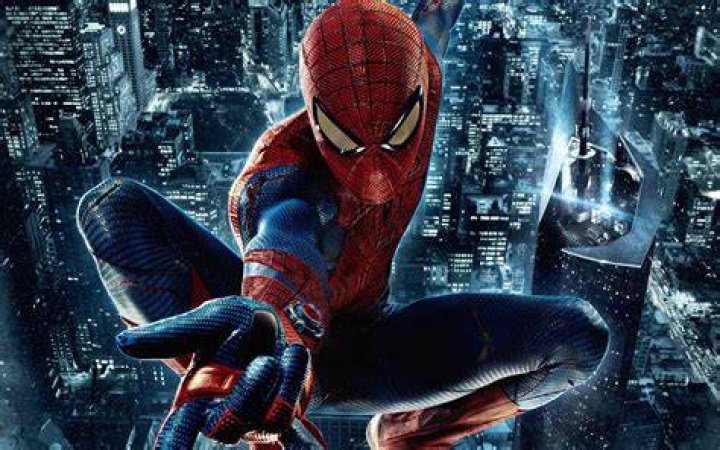
Steve Ditko's distinctive art style gave Spider-Man his iconic look—the full-face mask, the web pattern across his costume, and those expressive eye lenses that could convey emotion despite covering Peter's entire face. The design remains largely unchanged after six decades, a testament to its timeless appeal.
What Makes Spider-Man Different
Most superheroes in the early 1960s were adults with stable lives. Superman worked as a respected reporter. Batman was a wealthy philanthropist. The Fantastic Four were famous celebrities. Peter Parker was a 15-year-old high school student living with his aunt in Queens, struggling to afford his photography equipment.
He dealt with rejection from girls he liked. His classmates mocked him. He had to balance homework, a part-time job, and saving New York City from supervillains. These weren't subplot distractions—they were fundamental to his character. Spider-Man's greatest battles often happened in his personal life, not just against costumed criminals.
The character's guiding principle—"With great power comes great responsibility"—emerged from tragedy. After gaining spider powers from a radioactive spider bite, Peter initially used his abilities for personal gain. When he refused to stop a fleeing burglar, that same criminal later murdered his Uncle Ben. The guilt shaped everything Peter would become.
Evolution Through Different Eras
Spider-Man's stories evolved with each decade. The 1960s focused on Peter's high school years and introduced classic villains like Doctor Octopus, Green Goblin, and Vulture. Writers explored themes of responsibility, guilt, and the cost of heroism.
The 1970s brought Peter to college and added more mature storylines. Harry Osborn's drug addiction storyline broke taboos in mainstream comics. Gwen Stacy's death—orchestrated by the Green Goblin—showed that even heroes can't save everyone. That moment devastated readers and proved that consequences in Spider-Man stories had real weight.
During the 1980s, Peter graduated, became a teacher, and married Mary Jane Watson. The black symbiote costume debuted, eventually becoming the villain Venom. Writers experimented with darker tones while maintaining the character's core optimism. The 1990s clone saga attempted to reset Peter's history but proved controversial, teaching Marvel valuable lessons about respecting continuity.
The 2000s saw bold creative swings. The Ultimate Spider-Man series reimagined Peter's origin for modern audiences. The main continuity made the controversial decision to erase Peter's marriage through supernatural means in "One More Day," a storyline that remains divisive among fans fifteen years later.
Spider-Man on Screen
Sam Raimi's 2002 Spider-Man film proved superhero movies could be both critically acclaimed and commercially dominant. Tobey Maguire's earnest portrayal of Peter Parker resonated with audiences worldwide. The film earned $825 million globally, launching the modern superhero movie era alongside X-Men.
Spider-Man 2 (2004) raised the bar higher, exploring themes of sacrifice and identity while delivering spectacular action sequences. Many critics and fans still consider it the best superhero film ever made. The trilogy concluded with Spider-Man 3 in 2007, which despite mixed reviews remained a box office success.
Sony rebooted the franchise in 2012 with Andrew Garfield as a skateboarding, wisecracking Spider-Man. The Amazing Spider-Man films offered a different interpretation but struggled to escape comparisons to Raimi's trilogy. When the sequel underperformed, Sony partnered with Marvel Studios for a new direction.
Tom Holland's Spider-Man debuted in Captain America: Civil War (2016), integrating the character into the Marvel Cinematic Universe. This version emphasized Peter's youth and mentorship under Tony Stark. Spider-Man: Homecoming, Far From Home, and No Way Home collectively grossed over $3.9 billion, with No Way Home becoming the sixth highest-grossing film of all time.
The animated Spider-Man: Into the Spider-Verse (2018) introduced Miles Morales to mainstream audiences and revolutionized animation techniques. Its sequel, Across the Spider-Verse (2023), pushed visual boundaries even further while exploring multiverse concepts and the nature of canon itself.
The Spider-Verse Expands
Spider-Man isn't just Peter Parker anymore. Miles Morales, created by Brian Michael Bendis and Sara Pichelli in 2011, brought fresh perspectives to the role. As an Afro-Latino teenager from Brooklyn, Miles connected with audiences who rarely saw themselves as superheroes. His journey from reluctant hero to confident Spider-Man paralleled Peter's but with distinct cultural context.
Spider-Gwen (Gwen Stacy from an alternate universe where she gained spider powers instead of Peter) became an instant fan favorite. Miguel O'Hara's Spider-Man 2099 explored cyberpunk futures. Spider-Ham offered comedic relief. Japanese Spider-Man brought giant robots. The multiverse concept let creators explore endless variations while maintaining the core Spider-Man ethos.
These alternate Spider-People aren't gimmicks. They demonstrate the universality of Spider-Man's appeal. Anyone can wear the mask. That message resonates powerfully in contemporary culture, where representation matters more than ever.
Video Games and Interactive Media
Insomniac Games' Spider-Man (2018) for PlayStation 4 set new standards for superhero games. Players experienced fluid web-swinging through a meticulously recreated Manhattan. The game sold over 33 million copies and earned critical praise for its story, which featured an experienced Peter Parker facing both new threats and old demons.
Spider-Man: Miles Morales (2020) launched alongside PlayStation 5, showcasing Miles's unique powers—camouflage and bioelectric venom strikes—while telling an intimate story about community and identity. The sequel, Spider-Man 2 (2023), let players switch between Peter and Miles while facing Venom and Kraven the Hunter.
These games succeeded because they understood what makes Spider-Man compelling. The traversal mechanics captured the joy of web-swinging. The stories balanced superhero spectacle with personal stakes. Players didn't just control Spider-Man—they felt like Spider-Man.
Cultural Impact and Legacy
Spider-Man's influence extends far beyond entertainment. The character appears in countless memes and internet culture references. "With great power comes great responsibility" entered everyday language. The pointing Spider-Man meme became shorthand for hypocrisy or projection.
Academic studies examine Spider-Man as a lens for understanding American culture, adolescence, and moral philosophy. The character appears in discussions about urban development, with architects and urban planners analyzing how Spider-Man's New York differs from reality. Medical researchers reference Spider-Man when discussing genetic modification ethics.
Spider-Man merchandise generates billions annually. From backpacks to Halloween costumes, from action figures to high-end collectibles, the web-slinger's image is omnipresent. The character has appeared on everything from cereal boxes to postage stamps in multiple countries.
Why Spider-Man Endures
Trends in superhero media come and go. The grim and gritty era gave way to ironic detachment, which shifted toward earnest heroism again. Through all these changes, Spider-Man remains relevant because the core concept transcends specific time periods.
Every generation faces the challenge of balancing personal desires with responsibility. Everyone experiences loss, makes mistakes, and must decide what kind of person they want to be. Peter Parker's struggles with these universal themes make him perpetually relatable. He's not aspirational in the way Superman is—he's the hero who reminds us that doing the right thing is difficult, but still worth it.
The character also benefits from flexibility. Spider-Man works in comedy, tragedy, action, romance, and horror. He teams up with other heroes or operates solo. Stories can be street-level crime fighting or cosmic adventures. This versatility lets creators continually find fresh angles without betraying the character's essence.
Challenges and Controversies
Spider-Man hasn't avoided controversy. The "One More Day" storyline, where Peter made a deal with a devil-like figure to save Aunt May's life at the cost of his marriage to Mary Jane, angered many longtime readers who felt it diminished years of character development. The decision remains hotly debated nearly two decades later.
The Sony-Marvel partnership created legal complexities regarding film rights. Fans experienced whiplash when negotiations briefly broke down in 2019, threatening to remove Spider-Man from the MCU before both companies reached a new agreement. These behind-the-scenes disputes reminded audiences that creative decisions often stem from corporate interests rather than storytelling needs.
Debates about which Spider-Man actor is best generate passionate arguments online. While mostly good-natured, these discussions sometimes reflect generational divides and differing opinions about what Spider-Man should represent. Each interpretation has merit, though fans rarely agree on which best captures the character.
The Future of the Web-Slinger
Spider-Man shows no signs of slowing down. Tom Holland's fourth MCU Spider-Man film is in development. Spider-Man: Beyond the Spider-Verse will complete the animated trilogy. Multiple Spider-Man universes continue in comics, exploring everything from noir detective stories to futuristic sci-fi.
Video games will likely continue pushing technical boundaries, letting players experience increasingly realistic web-swinging and combat. Virtual reality Spider-Man experiences offer tantalizing possibilities for truly immersive superheroics. As technology advances, so too will the ways audiences can experience being Spider-Man.
New characters continue joining the Spider-family. Spider-Punk, Silk, Spider-Woman, and others expand the mythology while maintaining its core values. These additions ensure that diverse audiences find Spider-People who resonate with their experiences without diluting what makes the concept work.
The Enduring Web
More than sixty years after his debut, Spider-Man remains Marvel's most beloved character. His success stems from a deceptively simple innovation—making superheroes human. Peter Parker's bills still need paying. His relationships require work. His choices have consequences. He gets tired, frustrated, and overwhelmed, but keeps going because people depend on him.
That struggle never gets old. New readers discover Spider-Man every day and recognize something of themselves in Peter's journey. Parents who grew up reading Spider-Man comics share those stories with their children. The character bridges generations not through nostalgia, but through eternal relevance. As long as people face difficult choices between self-interest and responsibility, Spider-Man will matter. The friendly neighborhood Spider-Man isn't going anywhere.