The Last House: Understanding the Isolated Horror Film Phenomenon
 Sophia Edwards
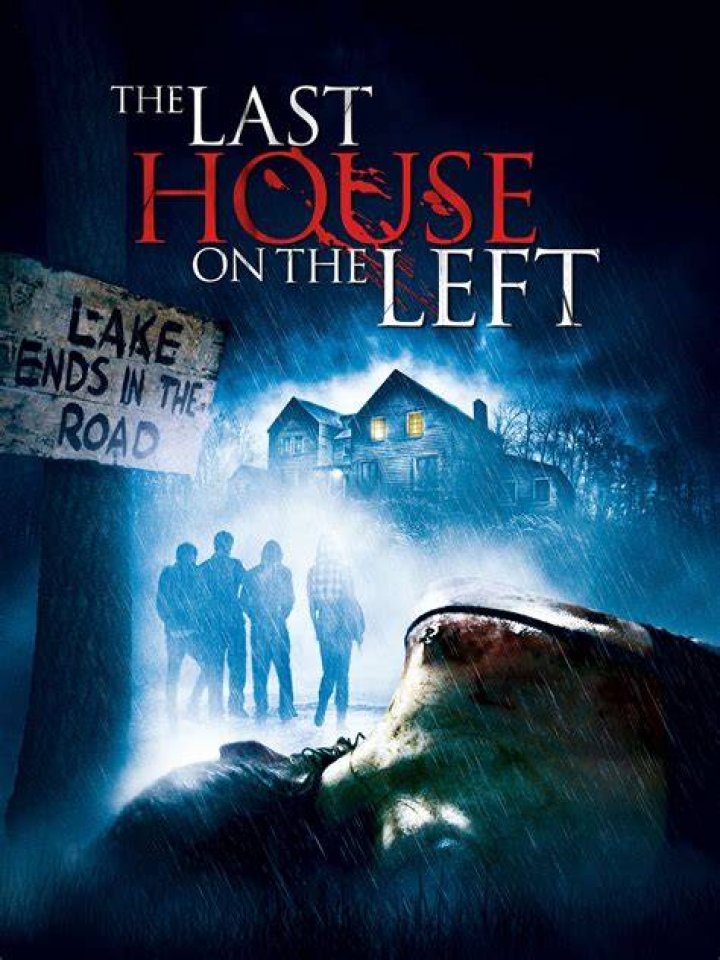
 Few films have sparked as much controversy and debate as "The Last House on the Left." Since its 1972 debut, this title has become synonymous with boundary-pushing horror cinema. The phrase "the last house" evokes isolated terror, desperate survival, and the darkest corners of human nature. What started as Wes Craven's directorial debut evolved into a cultural touchstone that influenced generations of filmmakers and redefined what audiences could expect from horror movies.
The impact extends far beyond a single film. The concept represents a subgenre where civilization's veneer crumbles at remote locations, leaving characters vulnerable to unspeakable violence. This exploration examines why these films resonate with audiences and how they've shaped modern horror.
Origins of The Last House on the Left
Wes Craven, then a humanities professor with no filmmaking experience, directed "The Last House on the Left" on a shoestring budget in 1972. Producer Sean Cunningham, who later created "Friday the 13th," helped bring this raw vision to life. The film drew inspiration from Ingmar Bergman's "The Virgin Spring," itself based on a 13th-century Swedish ballad.
Shot guerrilla-style in Connecticut and New York, the production budget hovered around $90,000. Craven's inexperience worked to the film's advantage. The rough edges, jarring edits, and documentary-like photography created an uncomfortable authenticity that polished Hollywood productions couldn't replicate.
Initial reactions were explosive. Critics condemned it. Censors banned it in multiple countries. Theater owners faced protests. Yet the film earned substantial profits and developed a cult following that persists today. Roger Ebert called it "a tough, bitter little sleeper of a movie that's about four times as good as you'd expect."
Plot and Narrative Structure
The story follows two teenage girls who encounter a group of escaped convicts while trying to score marijuana before a concert. What begins as a coming-of-age narrative descends into brutal violence when the criminals torture and murder the girls in the woods. By cruel coincidence, the killers seek refuge at the home of one victim's parents, who discover the truth and exact revenge.
This two-part structure became a template. The first half delivers unrelenting cruelty that tests viewer endurance. The second half provides cathartic vengeance, though not without moral complications. Craven deliberately avoided glamorizing violence, presenting it as ugly and devastating rather than entertaining.
The film's tagline warned audiences: "To avoid fainting, keep repeating 'It's only a movie... only a movie... only a movie...'" This marketing acknowledged the visceral power of what viewers would witness.
Cultural Impact and Controversy
Release timing coincided with America's cultural upheaval. The Vietnam War brought graphic violence into living rooms through television news. The Manson Family murders shattered countercultural idealism. "The Last House on the Left" tapped into deep anxiety about societal breakdown and random violence.
Censorship battles erupted worldwide. The British Board of Film Classification banned it until 2002. Australia heavily cut it. Several U.S. cities prohibited screenings. These restrictions only amplified its notoriety, creating underground demand that ensured its survival.
The film challenged horror conventions. Previous horror typically featured supernatural threats or foreign villains. Craven presented ordinary American criminals committing realistic atrocities, suggesting that evil wasn't exotic or supernatural but disturbingly human and close to home.
The 2009 Remake
Director Dennis Iliadis helmed a remake that arrived in theaters March 2009. Produced by Craven himself, this version featured higher production values, known actors including Tony Goldwyn and Monica Potter, and a larger budget exceeding $15 million.
The remake softened some extreme elements while maintaining the core narrative. Critics generally responded more favorably than to the original, praising its craftsmanship while noting it lacked the raw transgressive power that made the 1972 version notorious. Box office returns exceeded $45 million worldwide, introducing the story to new audiences unfamiliar with exploitation cinema's history.
Significant changes included altering character motivations, adjusting the ending, and presenting violence in more conventional horror movie style. Where Craven's original felt documentary-like and uncomfortably real, the remake adopted polished thriller aesthetics that created distance between viewer and violence.
Influence on Horror Cinema
The film's DNA appears throughout modern horror. The "torture porn" subgenre that emerged in the 2000s with "Hostel" and "Saw" owes debts to Craven's willingness to depict extended suffering. Home invasion thrillers like "The Strangers" and "You're Next" explore similar themes of sanctuary violated and civilized people forced into savagery.
French extremity movement directors cited it as inspiration. Films like "Martyrs," "Inside," and "Frontier(s)" pushed boundaries even further, creating intensely challenging experiences that divided audiences just as Craven's work had decades earlier.
The isolated house setting became horror shorthand. Remove characters from civilization, place them somewhere help won't arrive, and audiences instinctively understand vulnerability. Countless films adopted this geography of terror.
Thematic Depth Beyond Shock Value
Dismissing "The Last House on the Left" as mere exploitation misses its thematic substance. Craven, who held a master's degree in philosophy and writing, embedded serious questions about violence, revenge, and morality.
The parents' transformation into killers mirrors their daughter's murderers, suggesting violence corrupts regardless of justification. Craven offers no easy answers about whether their revenge represents justice or descent into the same barbarism that destroyed their family. This moral ambiguity separated the film from typical revenge narratives where audiences comfortably root for vengeance.
Class tensions simmer throughout. The victims come from comfortable suburban backgrounds. Their attackers represent society's margins. The film doesn't romanticize poverty or demonize wealth, but it examines how different worlds collide with devastating consequences.
Legacy in Popular Culture
References appear across media. Musicians from punk to metal cite its influence. The title became cultural shorthand for extreme horror. Film students study it in courses examining censorship, exploitation cinema, and violence in media.
Craven's career trajectory stemmed from this debut. He went on to create "A Nightmare on Elm Street" and "Scream," becoming one of horror's most important voices. Without "The Last House on the Left" proving his willingness to challenge audiences, modern horror would look different.
The film demonstrated that low-budget productions could compete with studio releases through bold storytelling rather than expensive effects. This lesson empowered independent filmmakers and contributed to horror's reputation as a genre where newcomers could break through.
Viewing Experience and Audience Reactions
Watching "The Last House on the Left" remains challenging. The violence lacks stylization. Scenes drag uncomfortably. The grainy cinematography and rough sound design create disorienting realism. Some viewers find it genuinely disturbing; others see dated exploitation.
Reactions split sharply. Horror enthusiasts often consider it essential viewing, a landmark that changed what genre cinema could attempt. Casual viewers frequently find it too intense or poorly made to appreciate. This division mirrors debates about whether extreme content can have artistic merit or simply exploits human suffering for profit.
Modern audiences accustomed to slick horror productions sometimes struggle with the film's rough aesthetic. The amateurish elements that originally enhanced its impact now read as incompetence to viewers expecting professional polish.
Comparison with Contemporary Horror
| Aspect | The Last House on the Left (1972) | Modern Horror |
|---|---|---|
| Violence Depiction | Realistic, unglamorous, extended | Stylized, quick cuts, CGI-enhanced |
| Budget | $90,000 | Typically $3-50 million |
| Production Quality | Raw, documentary-style | Polished, professional cinematography |
| Moral Stance | Ambiguous, questioning | Often clear good vs. evil |
| Censorship | Banned in multiple countries | Rated and released widely |
Critical Reassessment Over Time
Academic attention increased significantly from the 1990s onward. Film scholars examined it through various lenses: gender studies, cultural anxiety, the American New Wave, and exploitation cinema history. What critics initially dismissed as trash earned recognition as culturally significant.
The Museum of Modern Art added it to their film collection. Criterion Collection released a special edition. Universities teach it in film theory courses. This institutional acceptance reflects broader recognition that genre films can carry as much cultural weight as prestige pictures.
Contemporary critics acknowledge both its importance and its flaws. The film's pacing problems, tonal inconsistencies, and crude humor haven't aged well. But its willingness to confront audience comfort and challenge conventional storytelling maintains relevance.
Ethical Considerations
Debate continues about whether films like "The Last House on the Left" serve legitimate artistic purposes or simply traffic in suffering. Critics argue that depicting realistic sexual violence crosses ethical lines regardless of intent. Defenders contend that confronting ugly realities has value, that sanitizing violence is more dishonest than showing its true horror.
Craven himself expressed ambivalence in later years. He acknowledged the film's impact while questioning whether he would make the same choices today. This reflection raises questions about artist responsibility and whether audiences need protection from disturbing content.
The film's treatment of female characters particularly draws criticism. The extended assault sequence serves the plot but also potentially exploits actresses and audiences. Whether this exploitation undermines the film's anti-violence message remains contested.
Where to Find The Last House on the Left
Both the original and remake are available through major streaming platforms, though availability varies by region. Physical media collectors can find various editions, from bare-bones releases to comprehensive packages with commentaries, documentaries, and essays.
Viewing the uncut version matters for understanding its impact. Edited versions remove precisely the elements that made it controversial and culturally significant. However, potential viewers should understand they're committing to genuinely disturbing content, not typical horror entertainment.
Final Perspective
The last house referenced in the title represents more than a location. It symbolizes the final barrier between civilization and chaos, the last place safety exists before darkness swallows everything. Craven's film and its legacy explore what happens when that barrier fails, when the sanctuary becomes a trap, when ordinary people confront evil without preparation or protection.
Over fifty years after release, "The Last House on the Left" remains relevant not because it's enjoyable but because it's unflinching. In an era of sanitized violence where entertainment glosses over brutality's real costs, the film's raw approach still provokes necessary discomfort. Whether that discomfort serves a purpose or simply traumatizes audiences depends on individual perspective, but the conversation itself proves the film's enduring significance.
The phrase "the last house" entered horror vocabulary as shorthand for isolated terror and moral extremity. Wes Craven's controversial debut ensured that these words carry weight, representing cinema's capacity to disturb, challenge, and ultimately force audiences to confront uncomfortable truths about violence and human nature.