Discord: The Communication Platform That Changed Online Communities
 Andrew Patterson
 Discord started as a solution to a simple problem: gamers needed a better way to talk while playing. What began in 2015 as a niche communication tool has transformed into something far bigger. Today, Discord hosts over 200 million monthly active users across gaming, education, business, and social communities. It's free, flexible, and has quietly become one of the internet's most important social platforms.
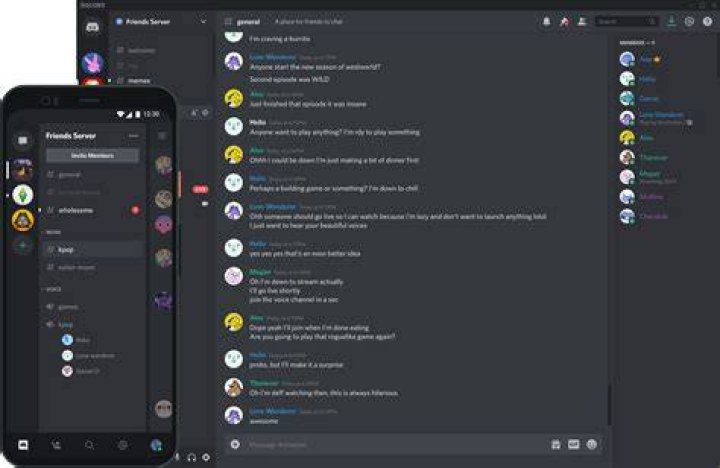
Unlike traditional social media, Discord organizes conversations into servers—private spaces where groups gather around shared interests. Each server contains channels for different topics, voice rooms for real-time chat, and tools that let communities build exactly the experience they want. The platform doesn't push algorithmic feeds or ads into your face. It simply gives you the infrastructure to connect.
What Makes Discord Different
Discord's architecture sets it apart from competitors. The platform combines text, voice, and video in ways that feel natural rather than forced. You can type messages while listening to a voice channel. Screen sharing works seamlessly during video calls. Reactions and emoji responses add personality without cluttering conversations.
The server-and-channel model creates organized chaos. A gaming server might have channels for different games, off-topic discussion, memes, and announcements. An educational server could separate channels by subject, assignment help, and social interaction. This structure prevents the overwhelming noise that plagues platforms like Facebook or Twitter.
Privacy controls give server owners granular power. They can create public servers anyone can join, or private spaces requiring invitations. Role-based permissions determine who can send messages, manage channels, or moderate discussions. Bots—automated programs—handle everything from music playback to custom commands and moderation tasks.
From Gaming Hub to Universal Platform
Discord's gaming roots remain visible. The platform still supports game integrations, rich presence features showing what you're playing, and low-latency voice chat optimized for competitive gaming. Streamers use Discord to build communities around their content. Esports teams coordinate strategies and practice sessions through dedicated servers.
But the user base has diversified dramatically. Study groups replaced LAN parties. Book clubs discovered Discord's voice channels work perfectly for discussions. Cryptocurrency communities migrated from Telegram and Slack. Artists share work-in-progress art and get feedback. Remote teams coordinate projects without paying for enterprise communication tools.
The pandemic accelerated this shift. When schools closed, teachers created Discord servers for virtual classrooms. When offices emptied, small businesses found Discord more approachable than Microsoft Teams or Zoom. The platform's casual interface lowered barriers that made corporate tools feel intimidating.
How Discord Actually Works
Getting started takes minutes. Download the app or use the web version. Create an account. Join a server through an invite link, or create your own. That's it.
Text channels work like organized group chats. Messages appear chronologically. You can reply directly to specific messages, creating threaded conversations without losing track. Markdown formatting lets you add bold text, italics, code blocks, and links. File sharing supports images, videos, documents, and compressed archives up to 500MB with Nitro (Discord's premium subscription) or 25MB on free accounts.
Voice channels are always-on rooms. Click to join, click to leave. No calls to start or end. This "just be there" approach feels more natural than scheduling video calls. People drop in, chat while working, and leave when finished. Screen sharing and video work the same way—available when needed, invisible when not.
Server organization relies on categories grouping related channels. A community server might have categories for General Discussion, Gaming, Creative Projects, and Voice Channels. Within each category, specific channels focus conversations. Permissions control access, creating members-only areas or read-only announcement channels.
Discord Nitro and Monetization
Discord's free tier remains genuinely useful. You get unlimited messages, voice and video calls, and access to all core features. The company generates revenue through Nitro subscriptions rather than advertising.
Nitro costs $9.99 monthly and adds quality-of-life improvements. File upload limits increase to 500MB. You can use custom emoji across all servers. Animated avatars and profile banners add personalization. Server boosts—perks that upgrade entire communities—come included. Streaming quality jumps to 4K at 60fps.
Nitro Basic, priced at $2.99 monthly, offers a stripped-down version with larger uploads and custom emoji without the streaming upgrades. Server boosting creates a separate revenue stream. Boosted servers unlock better audio quality, more emoji slots, custom invite links, and higher upload limits for everyone.
Server subscriptions, introduced in 2021, let creators monetize their communities directly. Members pay monthly fees for exclusive channels, custom roles, or special perks. Discord takes a 10% cut, far less than platforms like Patreon or YouTube.
Privacy and Safety Concerns
Discord's privacy stance sits between completely open social media and encrypted messaging apps. Messages aren't end-to-end encrypted by default. Discord can technically read conversations, though the company states it only does so for trust and safety violations.
Server moderation quality varies wildly. Well-managed communities have active moderators, clear rules, and automated bot protections. Poorly managed servers become breeding grounds for harassment, hate speech, and illegal content. Discord's centralized moderation team responds to reports, but can't monitor every server proactively.
Parents should know Discord's minimum age is 13, but enforcement relies on self-reporting. The platform's open nature means young users can stumble into inappropriate communities. Privacy settings let users restrict direct messages and friend requests, but education about online safety remains crucial.
Data collection includes messages, voice data during calls, and usage patterns. Discord's privacy policy outlines how this information helps improve features and prevent abuse. Unlike ad-supported platforms, Discord doesn't sell user data to advertisers. Still, anything you type could theoretically be accessed by Discord staff or exposed in a security breach.
Discord vs. Competitors
| Platform | Best For | Cost | Key Advantage |
|---|---|---|---|
| Discord | Communities, Gaming | Free (Nitro $9.99/mo) | Organization and flexibility |
| Slack | Professional Teams | $8-15/user/month | Enterprise features and integrations |
| Telegram | Large Groups, Privacy | Free | Encryption and channel broadcasts |
| Microsoft Teams | Office 365 Users | $4-22/user/month | Deep Microsoft ecosystem integration |
| TeamSpeak | Gaming, Self-Hosting | Free (hosting costs vary) | Superior audio quality and control |
Each platform serves different needs. Slack dominates professional workspaces with sophisticated integrations and administrative controls. Telegram offers better privacy with optional encryption and massive group sizes. Teams makes sense for organizations already using Microsoft products. TeamSpeak appeals to users wanting complete control through self-hosted servers.
Discord balances accessibility, features, and cost better than alternatives for community building. It's easier than Slack, more organized than Telegram, more casual than Teams, and far simpler than TeamSpeak.
Building a Successful Discord Server
Creating a server takes seconds. Making it thrive requires strategy. Start with a clear purpose. Vague "hangout" servers rarely succeed. Specific focuses—a particular game, shared hobby, or defined community—attract engaged members.
Channel organization matters more than most expect. Too few channels create cluttered conversations. Too many split activity until everything feels dead. Start small. Add channels when existing ones become too busy for their purpose.
Rules set expectations. Keep them short and enforceable. "Be respectful" means nothing without examples. "No personal attacks, slurs, or harassment" gives moderators clear guidelines. Pin rules in a dedicated channel. Reference them when taking action.
Moderation determines server culture. Active moderators who engage with the community while enforcing standards create healthy spaces. Absent or overly aggressive moderation kills communities. Bots like MEE6, Dyno, or Carl-bot automate basic tasks like welcome messages, role assignment, and filtering spam.
Growing a server happens through genuine value. Post consistently. Create activities like game nights, watch parties, or discussion events. Cross-promote carefully in related communities. Invite friends who'd actually enjoy participating. Avoid spam—nobody likes servers that exist only to advertise.
Common Discord Mistakes
New users often treat Discord like social media, posting without context in multiple channels. Read the room first. Observe how conversations flow. Use appropriate channels for different topics.
Server owners frequently over-complicate structures. Twenty verification steps before new members can chat drives people away. Excessive role hierarchies confuse rather than organize. Channels nobody uses clutter the sidebar. Simplicity works.
Ignoring Discord's culture causes friction. The platform skews younger and more casual than email or Slack. Overly formal communication feels out of place. But that doesn't mean professionalism disappears—context determines appropriate tone.
Security negligence creates problems. Enable two-factor authentication. Don't click suspicious links, even from friends whose accounts might be compromised. Verify permissions before adding bots. A malicious bot can delete channels, ban members, or steal data.
Discord's Future Direction
Discord rejected a $12 billion acquisition offer from Microsoft in 2021, choosing independence. The company went public through a 2024 direct listing, valuing the platform at roughly $15 billion. This financial independence lets Discord prioritize user experience over aggressive monetization.
Recent updates indicate the platform's direction. Activities—games and experiences playable directly in Discord—expand social features beyond conversation. Forum channels provide Reddit-style discussion formats for organized long-term conversations. Stage channels create auditorium-style events with speakers and audiences.
The company experiments with discovery features helping users find new communities. Currently, most servers grow through external promotion and invite links. Better discovery could accelerate growth but risks changing Discord's intimate, invite-based culture.
Competition intensifies as rivals copy features. Telegram added voice chats. Slack introduced Huddles for casual audio conversations. Gaming platforms like Steam built social features inspired by Discord's success. Discord's challenge is maintaining its identity while evolving.
Why Discord Matters
Discord proves communication platforms don't need algorithmic feeds, advertising, or data mining to succeed. The service makes money by providing value users willingly pay for. This model feels increasingly rare as tech giants monetize attention through ads and surveillance.
The platform democratizes community building. Anyone can create spaces for their interests without technical skills or hosting costs. Small communities thrive alongside massive servers with millions of members. This accessibility lowered barriers that kept online communities exclusive or technically demanding.
Discord's influence extends beyond its user base. Competitors adopted server-style organization, voice channels, and community-first features. The platform pushed the industry toward tools that empower users rather than simply connecting them.
Whether Discord remains dominant or eventually gets displaced, its impact on how we communicate online is permanent. The platform demonstrated that organized, user-controlled spaces work better than endless scrolling feeds. That lesson reshapes social technology regardless of which companies ultimately dominate the space.