Instagram: How the Photo-Sharing App Became a Social Media Giant
 Gabriel Cooper
 Instagram has become synonymous with visual storytelling on the internet. What started as a modest photo-filtering app in 2010 has evolved into one of the world's most influential social media platforms, reshaping how people share moments, build brands, and connect across continents. With more than 2 billion monthly active users as of 2026, the platform touches nearly every corner of digital life—from casual snapshots to multi-million dollar influencer campaigns.
The app's journey from startup to cultural phenomenon reveals much about our changing relationship with images, attention, and online identity. Understanding Instagram means understanding a significant piece of modern communication itself.
The Origin Story Behind Instagram
Kevin Systrom and Mike Krieger launched Instagram on October 6, 2010. The timing proved impeccable. Smartphones with capable cameras were spreading rapidly, but no app had truly cracked the code for mobile photo sharing that felt effortless and visually appealing.
Within two hours of launch, Instagram's servers crashed from overwhelming demand. The app gained 25,000 users on its first day. By the end of the first week, that number had climbed to 100,000. The secret? A brilliantly simple concept: apply a filter, share instantly, and watch engagement roll in through likes and comments.
Facebook recognized the threat and opportunity. In April 2012, Mark Zuckerberg acquired Instagram for approximately $1 billion in cash and stock—a price that seemed astronomical at the time for a company with 13 employees and zero revenue. That acquisition now looks like one of tech's shrewdest deals.
Core Features That Define the Platform
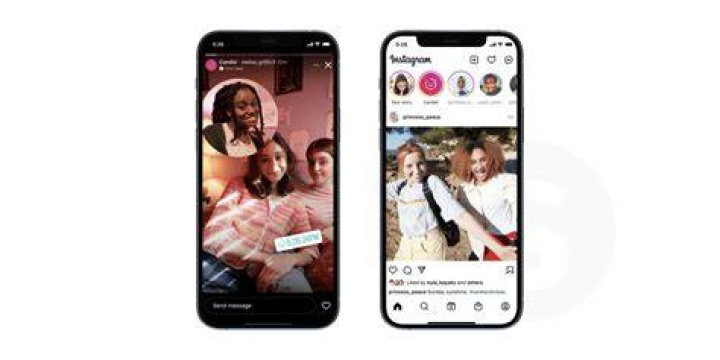
Instagram's feature set has expanded dramatically from its filtered-photo roots. The Feed remains central—a scrolling timeline where users post photos and videos that appear to their followers. But that's just the beginning.
Stories and Ephemeral Content
Launched in 2016 as a direct response to Snapchat, Instagram Stories allows users to post photos and videos that disappear after 24 hours. This feature became wildly popular, surpassing Snapchat's daily active users within a year. Stories now drive more engagement than the main feed for many accounts, offering a less curated, more spontaneous sharing experience.
Reels and Short-Form Video
Instagram Reels emerged in 2020 as the platform's answer to TikTok's explosive growth. These short, entertaining videos—typically 15 to 90 seconds—can be edited with music, effects, and creative tools. The algorithm heavily promotes Reels, making them crucial for anyone trying to grow their audience organically.
Direct Messaging
Instagram's DM feature has evolved into a robust messaging platform. Users can send photos, videos, voice messages, and even share posts privately. Group chats support up to 250 members, and businesses increasingly use DMs for customer service and relationship building.
Shopping and Commerce
Instagram Shop transformed the platform into a digital storefront. Users can browse products, save items to collections, and complete purchases without leaving the app. For businesses, shoppable posts and tags turn casual browsing into sales opportunities. The feature has generated billions in transaction value since its introduction.
How the Instagram Algorithm Works
Instagram doesn't show posts chronologically anymore. Instead, a complex algorithm determines what appears in each user's feed and Explore page. The system considers several factors: your past interactions with an account, the recency of posts, how much time you spend on different content types, and signals suggesting a post's quality or popularity.
The algorithm prioritizes content it predicts you'll engage with—whether through likes, comments, shares, or saves. This means posting when your audience is most active matters less than creating genuinely engaging content. Consistency, authenticity, and understanding your specific audience prove more valuable than trying to game the system.
Reels currently receive preferential treatment in the algorithm. Instagram pushes video content more aggressively to compete with TikTok, meaning creators who embrace Reels often see significantly better reach than those who stick exclusively to photos.
Building an Audience on Instagram
Growing an Instagram following has become both easier and harder. Easier because the platform offers more discovery features than ever. Harder because competition for attention has intensified dramatically.
Successful accounts typically share several characteristics. They post consistently—not necessarily daily, but on a predictable schedule their audience can rely on. They engage actively with their community, responding to comments and messages rather than treating Instagram as a broadcast-only channel. They use hashtags strategically, mixing popular tags with niche-specific ones that connect them to their target audience.
Visual cohesion matters. Scroll through any successful Instagram profile and you'll notice a consistent aesthetic—whether that's color palette, editing style, or subject matter. This visual consistency helps accounts feel professional and memorable.
Authenticity has replaced perfection as the gold standard. Users increasingly gravitate toward accounts that show real life, including struggles and imperfections, rather than impossibly polished highlight reels. Behind-the-scenes content, personal stories, and vulnerable moments often outperform carefully staged photos.
Instagram for Business and Marketing
Businesses of every size have made Instagram central to their marketing strategies. The platform offers unprecedented access to targeted audiences at relatively low cost compared to traditional advertising.
Business accounts receive analytics showing follower demographics, post performance, and optimal posting times. Instagram Ads allow precise targeting based on interests, behaviors, location, and demographics. The ad platform integrates seamlessly with Facebook's advertising tools, giving marketers extensive control over campaigns and budgets.
Influencer marketing exploded on Instagram. Brands partner with accounts that have engaged followings, paying them to promote products or services. This industry has matured significantly, with clear disclosure requirements and sophisticated tracking of return on investment.
Small businesses particularly benefit from Instagram's leveling effect. A local bakery or independent artist can reach thousands of potential customers without enormous marketing budgets—if they create compelling content and engage their community effectively.
Privacy Concerns and Platform Criticism
Instagram faces ongoing scrutiny about its impact on mental health, particularly among teenagers. Research has shown correlations between heavy Instagram use and increased anxiety, depression, and body image issues. The platform's emphasis on curated perfection and the dopamine cycle of likes and validation creates psychological pressures that concern parents, educators, and mental health professionals.
Facebook's internal research, leaked in 2021, revealed the company knew Instagram could be harmful to teenage girls' mental health. This sparked congressional hearings and renewed calls for regulation. Instagram has since introduced features like hiding like counts (optional) and reminders to take breaks, though critics argue these measures don't address core problems.
Data privacy remains another contentious issue. Instagram collects extensive information about user behavior, both on and off the platform, to target advertising. While this data collection powers Instagram's free service model, it raises questions about surveillance and how personal information gets used.
The platform has also struggled with misinformation, harassment, and content moderation. Automated systems sometimes remove legitimate content while missing clear violations. Human moderators face traumatic working conditions reviewing disturbing material. Striking the balance between free expression and community safety remains an ongoing challenge.
Instagram's Cultural Impact
The platform has fundamentally altered visual culture and language. "Instagram-worthy" has entered common vocabulary, describing moments or places worth photographing and sharing. Travel destinations, restaurants, and experiences now design specifically for Instagram appeal, knowing a single viral post can drive massive traffic.
Instagram has democratized photography and visual creativity. Anyone with a smartphone can build an audience for their work. This accessibility has launched countless careers in photography, art, fashion, and content creation that might never have happened in the pre-Instagram era.
The platform shaped internet aesthetics broadly. Instagram's filters and editing tools influenced how people expect photos to look across all digital spaces. The "Instagram aesthetic"—bright, clean, carefully composed—became aspirational and ubiquitous.
Social movements have leveraged Instagram's visual nature effectively. From #MeToo to Black Lives Matter, activists use the platform to share stories, organize action, and shift public consciousness. Images and videos shared on Instagram have sparked policy changes and cultural conversations worldwide.
Comparing Instagram to Other Social Platforms
| Platform | Primary Focus | User Base | Best For |
|---|---|---|---|
| Visual content and stories | 2+ billion users | Brand building, lifestyle content, e-commerce | |
| TikTok | Short-form video | 1+ billion users | Viral content, entertainment, younger audiences |
| Social networking and groups | 3+ billion users | Community building, events, older demographics | |
| Twitter/X | Real-time news and conversation | 500+ million users | Breaking news, public discourse, thought leadership |
| Professional networking | 900+ million users | Career development, B2B marketing, industry content |
Monetization Opportunities for Creators
Instagram has introduced multiple ways for creators to earn money directly through the platform. The Instagram Partner Program allows eligible creators to earn from ads shown on their Reels. Badges let followers support creators during live videos through small purchases. Subscriptions enable creators to offer exclusive content to paying followers.
Beyond Instagram's built-in tools, creators monetize through brand partnerships, affiliate marketing, and using Instagram to drive traffic to external revenue sources like courses, products, or services. Many creators treat Instagram as their primary marketing channel rather than their main income source.
The creator economy on Instagram has generated billions in earnings, though income distribution remains highly unequal. Top-tier influencers can command six or seven figures annually, while most creators earn modest amounts if anything at all. Success typically requires treating content creation as a serious business rather than a hobby.
Tips for Instagram Success in 2026
Focus on video content. Instagram clearly prioritizes Reels in its algorithm, and short-form video continues dominating user attention across social platforms. Even if you're primarily a photographer or visual artist, incorporating video will likely improve your reach.
Engage authentically with your community. Respond to comments and DMs. Ask questions in your captions. Show genuine interest in your followers' lives. The accounts that grow fastest treat social media as actually social rather than just a broadcasting tool.
Use Instagram analytics to inform your strategy. Check which posts perform best, when your audience is most active, and what content types drive the most engagement. Let data guide your decisions rather than assumptions.
Collaborate with others in your niche. Cross-promotion, co-created content, and genuine networking amplify reach far more effectively than working in isolation. The Instagram community rewards collaboration.
Don't chase trends blindly. While staying current matters, authenticity matters more. Jump on trends that genuinely fit your brand and audience rather than forcing every viral moment into your content strategy.
The Future of Instagram
Instagram continues evolving rapidly in response to competition and changing user behavior. The platform experiments constantly with new features, interface changes, and content formats. Some innovations stick; others disappear after lukewarm reception.
Artificial intelligence will play an increasingly central role. Instagram already uses AI extensively for content recommendations, moderation, and advertising. Expect more AI-powered creative tools, enhanced personalization, and potentially AI-generated content becoming common on the platform.
Augmented reality features will likely expand. Instagram already offers AR filters and effects. Future developments might include more sophisticated AR shopping experiences, virtual try-ons, and immersive content formats that blur lines between digital and physical worlds.
The tension between Instagram as a photo-sharing app and Instagram as an entertainment platform will continue. Many original users miss the chronological feed and simpler interface, while newer users expect sophisticated video features and discovery algorithms. Balancing these competing visions remains Instagram's ongoing challenge.
Understanding Instagram's Lasting Influence
Instagram has fundamentally reshaped digital communication, visual culture, and online business. Its influence extends far beyond the app itself, affecting photography, marketing, social behavior, and even architecture and product design. Love it or criticize it, Instagram represents a defining technology of the smartphone era.
The platform's success stems from understanding a basic human truth: we're visual creatures who crave connection and validation. Instagram packages those needs into an endlessly scrollable format that's simultaneously addictive and useful, frivolous and powerful.
Whether Instagram maintains its dominance depends on its ability to evolve without losing what made it special. As younger generations flock to newer platforms and society grapples with social media's costs, Instagram faces pressure from multiple directions. Its next chapter will determine whether it remains essential or becomes another platform that had its moment before fading into internet history.